
Pharmaceutical
Human APIs Powder
- Respiratory Drugs Raw Material
- Antiviral Antibacterial
- Antipyretic Analgesics
- Antihistamine Drugs
- Antineoplastic
- Cosmetic Raw Material
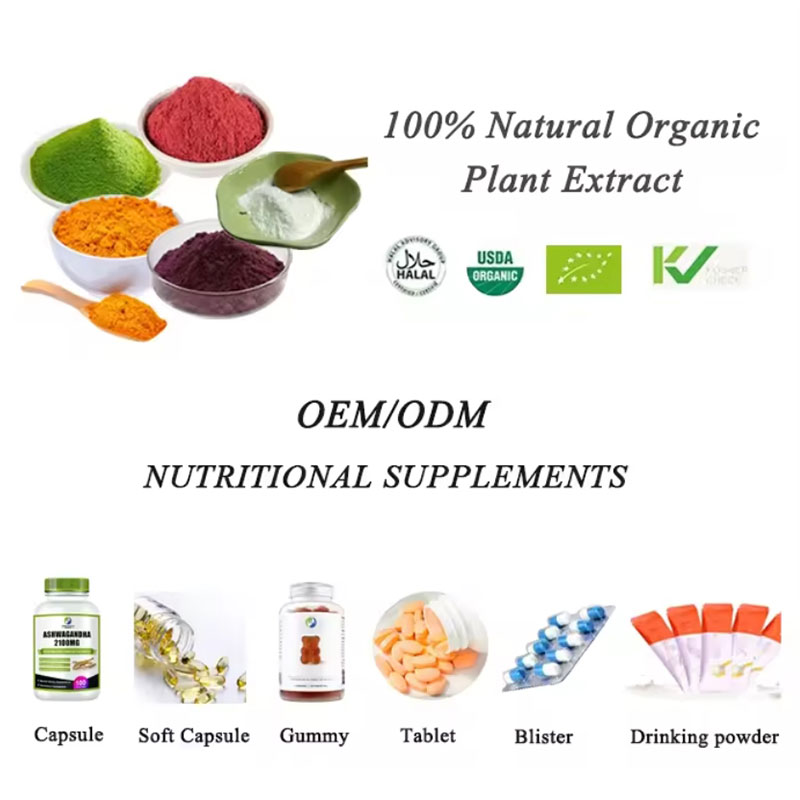
OEM & ODM
- Capsule
- Softgel Capsule
- Gummies
- Drop & drinks
- Tablets
- Effervescent Tablet
- Gel
- Powder
- Chewing Gum
- Pet Supplement
Veterinary raw materials
Phone: 86-18419147460
E-mail: sales03@nutritionoem.com
Add: Fengcheng 2nd Road, Weiyang District, Xi'an, Shaanxi, China
Food grade Calcium Gluconate Powder supplier


Product Overview:
Calcium gluconate is the calcium salt of gluconic acid. It is a white crystalline or granular powder with a melting point of 201°C. It is odorless and tasteless. It is soluble in cold water and easily soluble in hot water.
Product Attributes
CAS: 299-28-5
MF: C12H22CaO14

MW: 430.37
EINECS: 206-075-8
Specification: 99% min Calcium Gluconate Powder
Sample: Calcium Gluconate Powder Avaliable
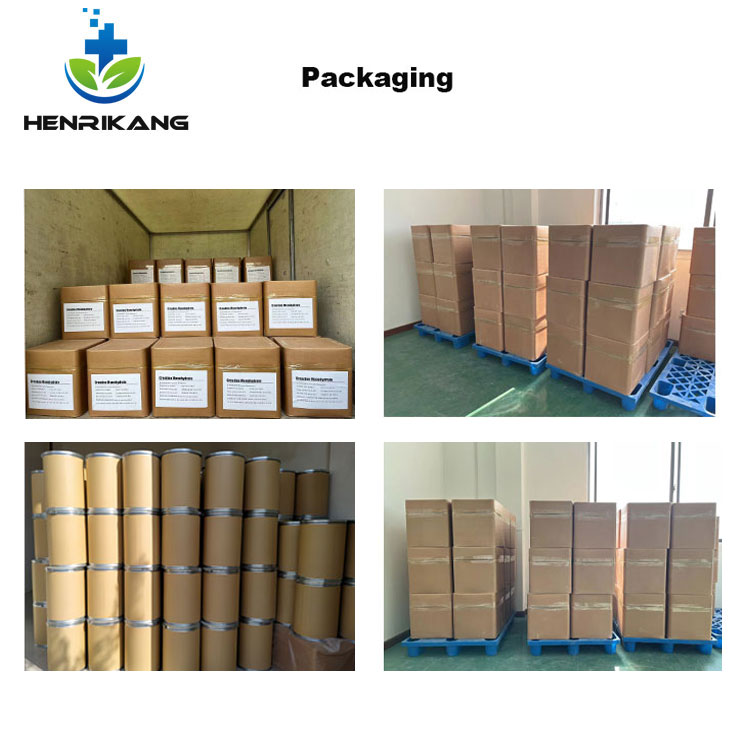
Packaging: 1kg/bag, 25kg/drum
Brand: Ausreson
MOQ: 1 kg
Appearance: white powder
Storage: Cool Dry Place
Shelf Life: 2 Years
Test Method: HPLC
Product Details
What is calcium gluconate?
Calcium gluconate is a water-soluble organic calcium salt, formed by the combination of calcium and gluconic acid. This unique chemical structure makes it more easily recognized and absorbed by the body, making it particularly suitable for people with sensitive digestive systems or insufficient gastric acid secretion. Unlike calcium carbonate, which requires gastric acid activation, calcium gluconate is effectively absorbed in a neutral pH environment, making it a flexible choice that can be taken with meals or on an empty stomach.
Calcium Gluconate Usage and Function.
Calcium gluconate is an important organic calcium, mainly used as a calcium fortifier and nutrient, buffer, solidifying agent, and chelating agent for food, and its application prospects are very broad.
1. Acute hypocalcemia Hypocalcemia refers to a serum calcium concentration below 2mmol/L. For acute hypocalcemia such as tetany, epileptic seizures, and laryngeal spasms, active intravenous calcium supplementation is required. It is recommended to use 10% calcium gluconate 10~20ml slow intravenous push, no more than 5ml per minute, which usually makes the symptoms disappear immediately; if the symptoms recur, the dose can be repeated after a few hours.
2. Hypermagnesemia Hypermagnesemia refers to serum magnesium above 1.25mmol/L. Hypermagnesemia mainly occurs in patients with renal dysfunction. Long-term use of magnesium-containing antacids and magnesium sulfate catharsis, especially in patients with renal dysfunction, can lead to hypermagnesemia.
In addition, it is not uncommon for hypermagnesemia to occur when magnesium sulfate is given intravenously to treat preeclampsia. Treatment of mild hypermagnesemia usually involves limiting magnesium intake. For patients with severe hypermagnesemia, slow injection of 10 ml of 10% calcium gluconate injection is recommended to antagonize the effects of magnesium on the heart and neuromuscular system.
Uses of Calcium Gluconate.
1. As a food additive, it is used as a buffer, a solidifying agent, a chelating agent, and a nutritional supplement. According to the "Sanitary Standards for the Use of Food Nutrition Fortifiers" (1993) issued by the Ministry of Health of China, it can be used in cereals and their products, beverages, and its dosage is 18-38 grams or kilograms.
2. As a drug, it can reduce capillary permeability, increase density, maintain normal excitability of nerves and muscles, strengthen myocardial contractility, and help bone formation.
It is suitable for allergic diseases such as urticaria; eczema; pruritus; contact dermatitis, as well as serum sickness; angioneurotic edema as an auxiliary treatment. It is also suitable for convulsions and magnesium poisoning caused by hypocalcemia. It is also used to prevent and treat calcium deficiency, etc.
Three Core Advantages of Calcium Gluconate:
1. Superior Bioavailability: Clinical studies have shown that calcium gluconate is absorbed 20-30% more efficiently than traditional calcium carbonate. Its water solubility and organic nature allow calcium ions to be absorbed more effectively in the intestines through passive diffusion and active transport mechanisms, maximizing actual calcium utilization.
2. Excellent Gastrointestinal Tolerance: For consumers who frequently experience constipation, bloating, or stomach discomfort from traditional calcium supplements, calcium gluconate offers a gentle alternative. Its pH-neutral nature reduces irritation to the gastric mucosa, making it ideal for sensitive individuals and the elderly.
3. Multiple Health Benefits:
- Bone Health: Prevents osteoporosis and maintains bone density.
- Cardiovascular Support: Helps maintain normal heart rhythm and blood pressure regulation.
- Neurological Function: Supports nerve signal transmission and muscle contraction.
- Dental Health: Strengthens tooth enamel and prevents dental problems.
Frequently Asked Questions about Calcium Gluconate
1. What are the main differences between calcium gluconate and calcium carbonate?
Calcium gluconate is an organic calcium salt with good water solubility. It can be effectively absorbed without stomach acid and has better gastrointestinal tolerance. Calcium carbonate has a higher calcium content but requires sufficient stomach acid for effective absorption and is more likely to cause constipation or bloating.
2. Who is calcium gluconate suitable for?
It is particularly suitable for the elderly with insufficient stomach acid secretion, people with sensitive digestive systems, vegetarians, and those who have poor tolerance to traditional calcium supplements. It is also suitable for people at risk of osteoporosis who need high-efficiency calcium supplementation.
3. When is the best time to take calcium gluconate?
Because it does not require food activation, calcium gluconate can be taken at any time of day, on an empty stomach or with meals. Taking it in divided doses (once in the morning and once in the evening) can improve the overall absorption rate.
4. What is the typical dosage of calcium gluconate?
The recommended daily intake for adults is 1000-1200mg of elemental calcium, equivalent to approximately 5.5-6.5 grams of calcium gluconate powder. The specific dosage should be adjusted according to age, gender, and health condition. Please follow the product instructions or medical advice.
5. What are the potential side effects of calcium gluconate?
Calcium gluconate is a recognized safe form of calcium supplementation with rare and mild side effects. A small number of people may experience mild gastrointestinal discomfort, which usually resolves by taking it with meals or reducing the dosage.
Proveedor de polvo de gluconato de calcio grado alimentario
Fornecedor de pó de gluconato de cálcio grau alimentício
Lieferant von Calciumgluconat-Pulver in Lebensmittelqualität
Fournisseur de poudre de gluconate de calcium qualité alimentaire
Поставщик порошка глюконата кальция пищевого качества
Inquire This Product