
Pharmaceutical
Human APIs Powder
- Respiratory Drugs Raw Material
- Antiviral Antibacterial
- Antipyretic Analgesics
- Antihistamine Drugs
- Antineoplastic
- Cosmetic Raw Material
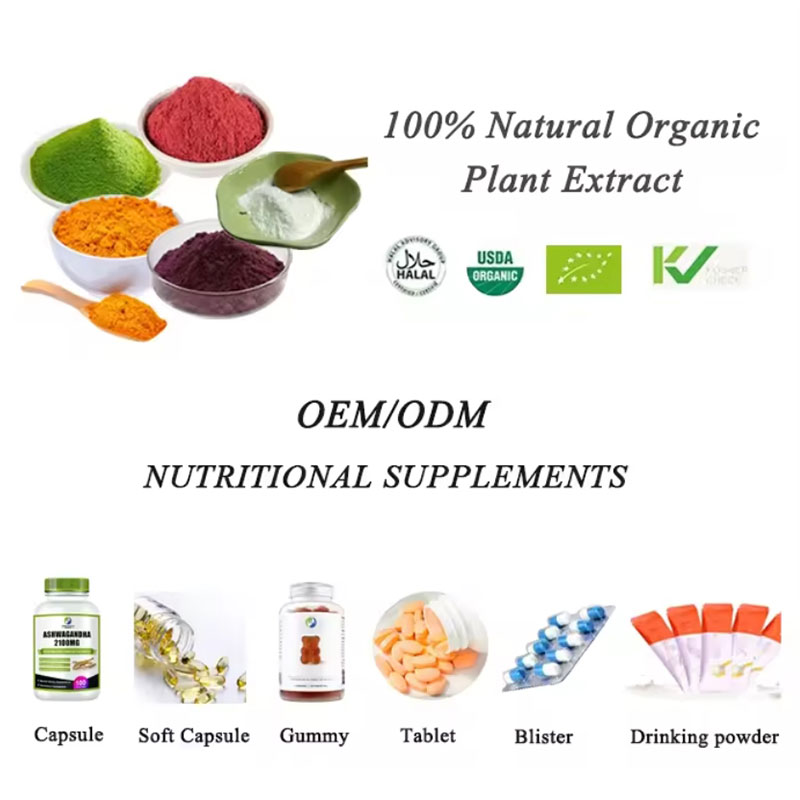
OEM & ODM
- Capsule
- Softgel Capsule
- Gummies
- Drop & drinks
- Tablets
- Effervescent Tablet
- Gel
- Powder
- Chewing Gum
- Pet Supplement
Veterinary raw materials
Phone: 86-18419147460
E-mail: sales03@nutritionoem.com
Add: Fengcheng 2nd Road, Weiyang District, Xi'an, Shaanxi, China
Food grade Copper Gluconate Powder CAS 9001-57-4 supplier


Product Overview:
Copper gluconate powder, as a highly bioavailable form of copper supplement, is gradually gaining popularity among health product consumers. Copper is an essential trace element for the human body, participating in key physiological processes such as energy production, iron metabolism, connective tissue formation, and nervous system function.
Product Attributes
Copper Gluconate Raw Powder Copper Gluconate
CAS: 527-09-3
MF: C12H22CuO14

MW: 453.84
EINECS: 208-408-2
Specification: 99% min Copper Gluconate powder
Sample: Copper Gluconate Powder Avaliable
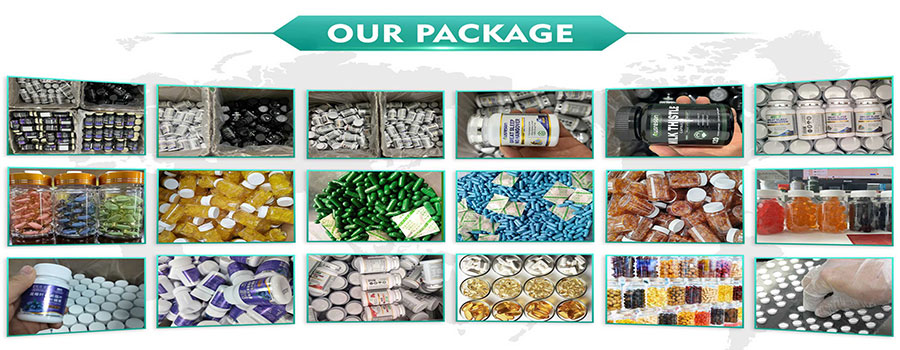
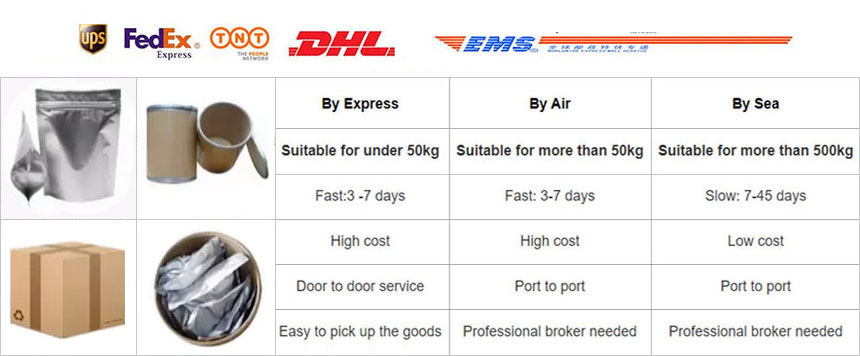
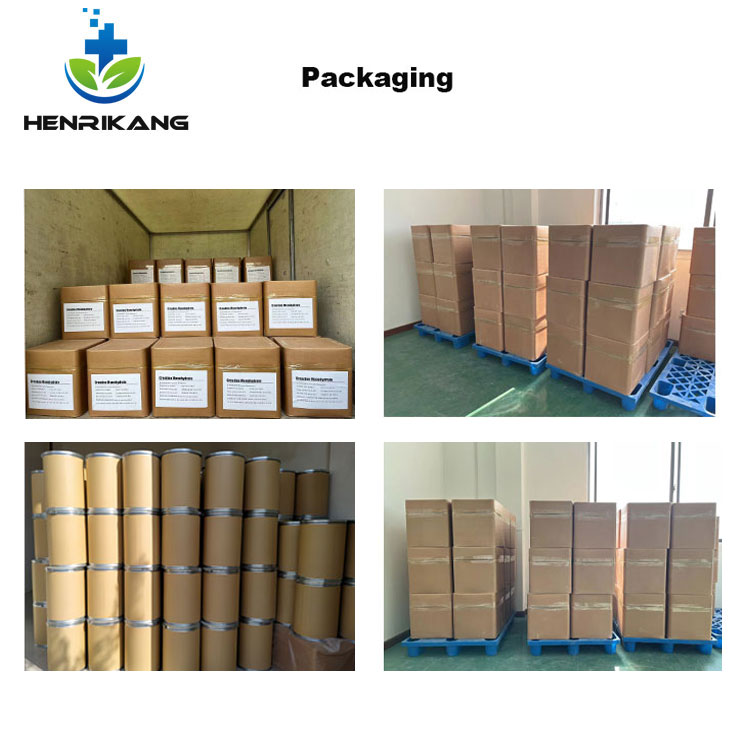
Packaging: 1kg/bag, 25kg/drum
Brand: Ausreson
MOQ: 1 kg
Appearance: Light blue powder
Storage: Cool Dry Place
Shelf Life: 2 Years
Test Method: HPLC
Product Details
What is copper gluconate powder?
Copper gluconate is a chelate compound of copper and gluconic acid. This form is considered to have higher bioavailability than other copper compounds, such as copper sulfate or copper oxide. The powder form offers dosage flexibility and can be easily integrated into daily life. Copper is an essential trace element that the human body cannot synthesize on its own and must be obtained through diet or supplements.
Copper Gluconate Usage and Synthesis.
Copper gluconate is a light blue to blue-green crystal or fine powder. Odorless. Very soluble in water, very difficult to dissolve in ethanol.
Used as a nutritional supplement. According to Japanese regulations, it is allowed to be used for copper fortification of milk substitutes. The copper content of milk substitute drinks with standard milk concentration shall not exceed 0.6 mg per liter. It can be made by reacting gluconic acid with copper oxide, or by reacting gluconate with copper salt, and then crystallizing.
It can also be made by neutralizing gluconic acid with copper phosphate. It is flammable, and the fire scene emits pungent and irritating smoke containing copper. During storage and transportation, the warehouse should be kept low temperature, ventilated, and dry.
Uses of Copper Gluconate.
Copper Gluconate is a form of copper health supplement, commonly used in beauty cosmetics and skin care products. It can also be used to treat diseases such as copper deficiency that cause anemia.
Nutritional supplement. According to Japanese regulations, it is allowed to be used to fortify copper in milk substitutes. The copper content of milk substitute drinks with standard milk concentration shall not exceed 0.6 mg per liter.
How to Use Copper Gluconate Powder:
Recommended Dosage: Health authorities in Europe and America generally recommend a daily copper intake of 900 micrograms for adults. The dosage of copper gluconate supplements should be determined based on this, with most products providing 1-2 mg of elemental copper per serving.
Directions for Use:
- Mix the powder into water, juice, or smoothies.
- Taking it with Vitamin C can enhance absorption.
- It is best taken between meals to avoid competition for absorption with other minerals.
- Avoid taking it with high-zinc supplements, as this may affect copper absorption.
Safety Precautions:
- Do not exceed the recommended dosage. Long-term excessive intake may lead to copper poisoning.
- Patients with Wilson's disease (copper metabolism disorder) should avoid supplementation.
- If you have liver disease, please consult a medical professional before use.
- Pregnant and breastfeeding women should use this product under the guidance of a doctor.
Product Method of Copper Gluconate.
It is crystallized by the reaction of gluconic acid and copper oxide.
It is crystallized by the reaction of gluconate and copper salt.
It is crystallized by the reaction of sodium gluconate and copper sulfate.
It is produced by electrolytic oxidation of glucose to gluconic acid, which is then neutralized with copper carbonate, and sorbitol is produced at the same time.
Comparison of Copper Gluconate Powder with Other Forms of Copper Supplements
Compared to copper sulfate, copper gluconate generally has better gastrointestinal tolerance and higher absorption rates. Compared to amino acid chelated copper, copper gluconate offers better value for money while still maintaining good bioavailability. The powder form provides greater flexibility in dosage adjustment compared to capsules or tablets, making it particularly suitable for users who require fine-tuning of the dosage.
Frequently Asked Questions about Copper Gluconate Powder
Q1: What is the difference between copper gluconate powder and copper sulfate?
A1: Copper gluconate is an organic form of copper, which has higher bioavailability and better gastrointestinal tolerance than inorganic copper sulfate. It is the more popular form of copper supplement in the European and American health supplement markets.
Q2: How much copper do I need daily?
A2: European and American health authorities recommend that adults consume 900 micrograms of copper daily. Most high-quality copper supplements provide 1-2 milligrams of elemental copper, which is sufficient to compensate for dietary deficiencies without exceeding the safe upper limit.
Q3: Are there any side effects of copper gluconate powder?
A3: When used at the recommended dosage, copper gluconate powder is generally safe and well-tolerated. Very high doses may cause nausea, abdominal pain, and copper poisoning. Always follow the product label instructions or the advice of a medical professional.
Q4: Who should consider supplementing with copper gluconate?
A4: People whose copper intake may be insufficient include the elderly, patients with gastrointestinal diseases, those who have taken excessive zinc supplements, and those whose diets contain limited amounts of copper-rich foods (such as organ meats, shellfish, and nuts). Vegans and vegans in Europe and America may need to pay particular attention to their copper intake.
Q5: How to choose a high-quality copper gluconate powder product?
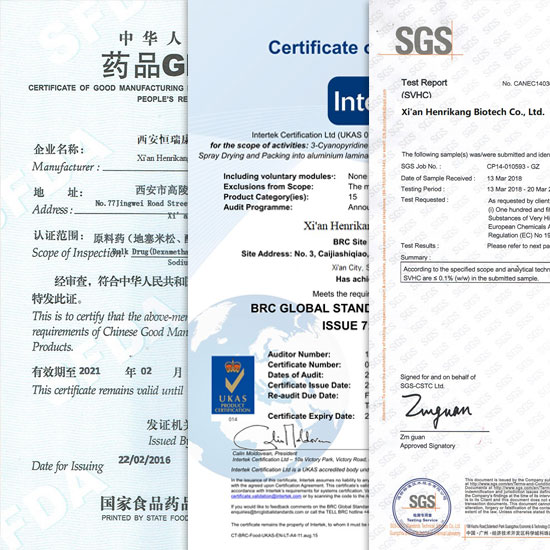
A5: Look for products that have undergone third-party testing, have a transparent supply chain, and are recognized by European and American certification bodies. Check the label to ensure that the elemental copper content is clearly stated, not just the total amount of copper gluconate complex.
Proveedor de Polvo de Gluconato de Cobre Grado Alimenticio CAS 9001-57-4
Fournisseur de Poudre de Gluconate de Cuivre Qualité Alimentaire CAS : 9001-57-4
Fornecedor de Pó de Gluconato de Cobre Grau Alimentício CAS 9001-57-4
Поставщик пищевого порошка глюконата меди CAS 9001-57-4
Lieferant von Kupfergluconat-Pulver Lebensmittelqualität CAS 9001-57-4
Inquire This Product