
Pharmaceutical
Human APIs Powder
- Respiratory Drugs Raw Material
- Antiviral Antibacterial
- Antipyretic Analgesics
- Antihistamine Drugs
- Antineoplastic
- Cosmetic Raw Material
OEM & ODM
- Capsule
- Softgel Capsule
- Gummies
- Drop & drinks
- Tablets
- Effervescent Tablet
- Gel
- Powder
- Chewing Gum
- Pet Supplement
Veterinary raw materials
Phone: 86-18419147460
E-mail: sales03@nutritionoem.com
Add: Fengcheng 2nd Road, Weiyang District, Xi'an, Shaanxi, China
Manufacturer sodium gluconate Powder cas no 527-07-1

Product Overview:
Sodium gluconate is a versatile, biodegradable sodium gluconate salt that has become an important component of environmentally friendly industrial processes and household products in Europe and North America. As a powerful chelating agent, chelating agent, and cleaning synergist, this white crystalline powder effectively replaces traditional phosphates and irritating chemicals, and is non-toxic and harmless.
Product Attributes
CAS: 527-07-1
MF: C6H13NaO7

MW: 220.15
EINECS: 208-407-7
Specification: 99% min Sodium Gluconate Powder
Sample: Sodium Gluconate Powder Avaliable
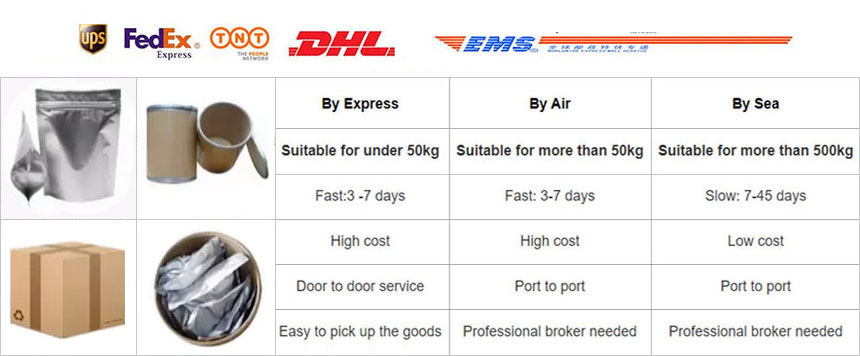
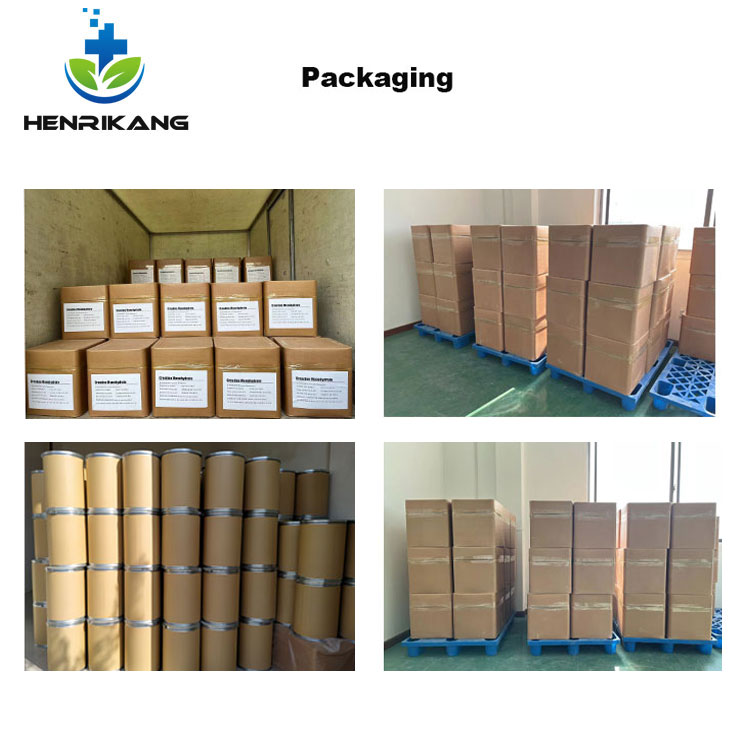
Packaging: 1kg/bag, 25kg/drum
Brand: Ausreson
MOQ: 1 kg
Appearance: white powder
Storage: Cool Dry Place
Shelf Life: 2 Years
Test Method: HPLC
Product Details
Sodium Gluconate Powder Usage and Synthesis.
Sodium gluconate is widely used in food and industry. It can be used as a high-efficiency chelating agent in the construction, textile printing and dyeing, metal surface treatment and water treatment industries, a steel surface cleaner, a glass bottle cleaner, an aluminum oxide coloring agent in the electroplating industry, and a high-efficiency retarder and high-efficiency water reducer in the concrete industry.
Key Applications in Industrial and Consumer Markets
1. Construction Industry
In concrete and cement applications, sodium gluconate is an effective retarder, improving workability and extending setting time—especially beneficial in hot climates or for large-scale pours. It enhances the final strength and durability of concrete while reducing water consumption, thus contributing to more sustainable construction practices.
2. Detergent and Cleaning Agent Formulation
As a phosphate-free detergent and cleaning agent additive, sodium gluconate:
- Softens water by chelating hardness ions
- Prevents redeposition of dirt on fabrics and surfaces
- Improves the cleaning efficiency of alkaline detergents
- A key ingredient in environmentally friendly dishwashing tablets, laundry detergents, and industrial cleaners
3. Water Treatment Solutions
In cooling towers, boilers, and reverse osmosis systems, sodium gluconate helps control scale formation and corrosion, extending equipment life and improving energy efficiency without producing environmental toxins.
4. Personal Care and Cosmetics
Due to its mild nature and skin compatibility, it can be used as a chelating agent in shampoos, facial cleansers, and oral care products, improving product stability and performance while maintaining product mildness.
5. Food Industry
As a food additive (E576), it is used in various processed foods as a chelating agent, stabilizer, and acidity regulator.
Uses of bulk Sodium Gluconate powder.
In industry, substances containing glucose (such as grains) are generally used as raw materials. Glucose is first fermented to obtain gluconic acid, and then neutralized with sodium hydroxide to obtain sodium gluconate. Electrolysis and oxidation synthesis can also be used. Most of my country's production and synthesis adopts chemical oxidation - hypobromide oxidation.
Sodium gluconate is non-toxic. Sodium gluconate and its chelates with heavy metal ions in water can be rapidly and completely degraded by ordinary biochemical treatment. The heavy metal ions released during the degradation process can be removed by precipitation or adsorbed on the sludge formed during the wastewater treatment process.
Product Method of Bulk Sodium Gluconate Powder.
Add the measured amount of calcium gluconate to the reaction kettle, and add sulfuric acid aqueous solution under stirring. After stirring for 1 hour, let it stand and filter. The filter residue is CaSO4, which is removed. Add the filtrate to the neutralization kettle and add an appropriate amount of Na2CO3 aqueous solution for neutralization. Concentrate, filter, dry, inspect and package to obtain the finished product.
Frequently Asked QuestionsQ1: Is Sodium Gluconate safe for the environment?
A: Yes, Sodium Gluconate is fully biodegradable under aerobic and anaerobic conditions, breaking down into carbon dioxide and water without forming toxic intermediates. It's recognized by environmental agencies worldwide as a safer alternative to phosphates and many synthetic chelating agents.
Q2: How does Sodium Gluconate compare to EDTA in cleaning applications?
A: While both are effective chelators, Sodium Gluconate offers superior biodegradability and performs better in highly alkaline conditions. EDTA persists in the environment and faces increasing regulatory restrictions in Europe, making Sodium Gluconate the preferred choice for eco-formulations.
Q3: Can Sodium Gluconate be used in organic or natural product formulations?
A: As a plant-derived, biodegradable ingredient, Sodium Gluconate is accepted in many "green" and eco-certified products. However, specific certifications (USDA Organic, Ecocert) may have additional requirements, so formulators should verify with certifying bodies.
Q4: What is the recommended dosage in industrial applications?
A: Dosage varies by application: 0.05-0.1% in concrete as a retarder, 1-5% in cleaning formulations as a builder, and 0.1-0.5% in personal care products. Optimal concentrations depend on water hardness, pH, and other formulation components.
Q5: Does Sodium Gluconate have any handling or storage precautions?
A: It requires standard industrial hygiene practices—use dust control measures during handling, store in a cool, dry place in sealed containers, and avoid prolonged skin contact with powder. It's generally classified as non-hazardous under GHS standards.
Fabricante de polvo de gluconato sódico CAS no 527-07-1
Fabricante de pó de gluconato de sódio CAS no 527-07-1
Hersteller von Natriumgluconat-Pulver CAS-Nr. 527-07-1
Fabricant de poudre de gluconate de sodium CAS n° 527-07-1
Производитель порошка глюконата натрия CAS № 527-07-1
Inquire This Product