
Pharmaceutical
Human APIs Powder
- Respiratory Drugs Raw Material
- Antiviral Antibacterial
- Antipyretic Analgesics
- Antihistamine Drugs
- Antineoplastic
- Cosmetic Raw Material
OEM & ODM
- Capsule
- Softgel Capsule
- Gummies
- Drop & drinks
- Tablets
- Effervescent Tablet
- Gel
- Powder
- Chewing Gum
- Pet Supplement
Veterinary raw materials
Phone: 86-18419147460
E-mail: sales03@nutritionoem.com
Add: Fengcheng 2nd Road, Weiyang District, Xi'an, Shaanxi, China
Bulk Wholesale High-Solubility Sodium Ascorbate Powder



Product Overview:
Vitamin C sodium is white or very slightly yellow crystal or crystalline powder material, stable in dry state, easy to oxidize and decompose under humid condition. The color becomes darker when exposed to light, specific rotation degree +104.4℃.
Product Attributes
CAS: 134-03-2
MF: C6H7NaO6
MW: 198.11
EINECS: 205-126-1
Specification: 99% min Sodium Ascorbate Powder
Sample: Sodium Ascorbate Powder Avaliable
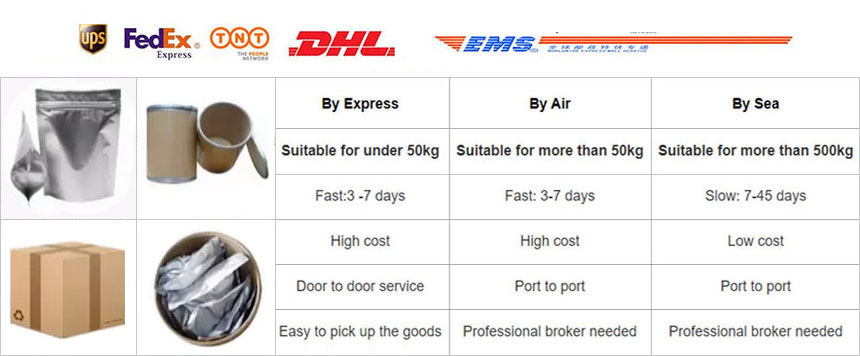
Packaging: 1kg/bag, 25kg/drum
Brand: Ausreson
MOQ: 1 kg
Appearance: White powder
Storage: Cool Dry Place
Shelf Life: 2 Years
Test Method: HPLC
Product Details
What is Sodium Ascorbate?
Sodium ascorbate is the sodium salt of ascorbic acid. By buffering the vitamin with sodium, the final powder has a pH of approximately 7.1 to 7.3.
Why is this important?
- Gentleer on the gut: Unlike standard ascorbic acid, which can cause bloating or heartburn in sensitive individuals, sodium ascorbate is more easily tolerated.
- Rapid absorption: After ingestion, it dissociates into vitamin C and sodium, allowing it to quickly enter the bloodstream.
- Electrolyte support: A small amount of sodium acts as a functional electrolyte, supporting hydration during exercise or recovery.
Sodium Ascorbate Powder Usage and Synthesis.
Vitamin C sodium is the main intermediate product of vitamin C production, at the same time, vitamin C sodium is also an important food additives, used as an antioxidant, can prevent food and beverage discoloration, taste, widely used in ham, sausage, cake freshness and fixing the color and mildew of moon cakes, added to the cosmetics for wrinkle, anti-aging, whitening, with the dual function of supplementing the VC and enhancing the absorption of calcium, with stable performance.
Who needs buffered vitamin C?
- "Biohackers": Those who engage in high-dose collagen synthesis and antioxidant defense programs.
- Sensitive consumers: Those who find standard citrus fruits or synthetic ascorbic acid irritating to the esophagus or stomach lining.
- Active professionals: People looking for a clean, tasteless way to boost immune resilience during high-pressure work weeks.
Bioavailability Advantages
Choosing sodium ascorbate powder over traditional tablets means choosing superior flexibility. High-dose vitamin C regimens—often used to support immune function during winter—require precise dosage adjustments. Powder form allows you to:
Adjust the dosage to your gut's specific needs:
- Avoid fillers: Capsules often contain magnesium stearate, silica, or other binders. Pure powder ensures you get 100% of the active ingredient.
- Optimized stability: Vitamin C is sensitive to light and heat. Storing the powder in an amber glass jar in a cool, dark place ensures peak potency.
How to Use Sodium Ascorbate Powder Correctly
- Mix with water: Dissolve half a teaspoon in a cup of water or juice.
- Avoid hot drinks: High temperatures reduce vitamin C content; always use cold or room temperature beverages.
- Consistency over strength: While high doses are popular, spreading the intake 2 to 3 times a day is better than a single large dose to achieve a high plasma concentration.
Pharmacological effect of Sodium Ascorbate.
Sodium vitamin C is involved in sugar metabolism and redox processes in the body; it is involved in the generation of intercellular matrix and blood coagulation process, reducing capillary fragility; it is involved in the detoxification function, increasing resistance to infections; it promotes the formation of tetrahydrofolic acid from folic acid, and increases the absorption of iron in the intestine.
Frequently Asked Questions
Q: Will sodium ascorbate powder cause me to consume too much sodium in my diet?
A: No. A typical therapeutic dose of sodium ascorbate contains approximately 100 to 150 milligrams of sodium, which is a very small fraction of the FDA's recommended daily intake limit (2300 milligrams). Its effect is generally considered negligible.
Q: Is this the same as liposomal vitamin C?
A: No. Liposome vitamin C transports the vitamin via liposomes. While both are effective, sodium ascorbate is more cost-effective in high-dose regimens, while liposomes are typically chosen for maximum absorption at low doses.
Q: Can I add this to my morning smoothie?
A: Yes, but add it just before drinking. Vitamin C oxidizes when exposed to air and light for extended periods.
Q: How can I tell if my product is of high quality?
A: Look for labels such as "Pharmaceutical Grade," "Non-GMO Certified," and "Third-Party Tested." Transparent brands should request a Certificate of Analysis (COA) to confirm heavy metal purity.
Оптовый порошок высокорастворимого аскорбата натрия
Poudre d'ascorbate de sodium en gros et à haute solubilité
Großhandelspulver für hochlösliches Natriumascorbat
Polvo de ascorbato de sodio a granel de alta solubilidad
Pó de Ascorbato de Sódio a Granel de Alta Solubilidade
Inquire This Product