
Pharmaceutical
Human APIs Powder
- Respiratory Drugs Raw Material
- Antiviral Antibacterial
- Antipyretic Analgesics
- Antihistamine Drugs
- Antineoplastic
- Cosmetic Raw Material
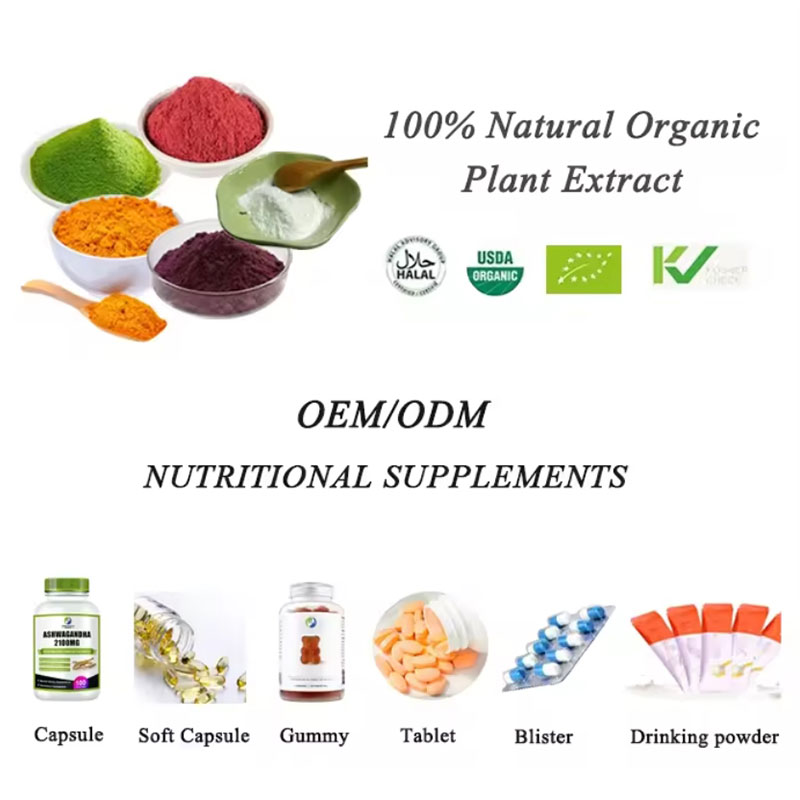
OEM & ODM
- Capsule
- Softgel Capsule
- Gummies
- Drop & drinks
- Tablets
- Effervescent Tablet
- Gel
- Powder
- Chewing Gum
- Pet Supplement
Veterinary raw materials
Phone: 86-18419147460
E-mail: sales03@nutritionoem.com
Add: Fengcheng 2nd Road, Weiyang District, Xi'an, Shaanxi, China
Thiamine chloride Vitamin B1 HCL Powder Bulk Supplier



Product Overview:
Vitamin B1, also known as "thiamine" and "thiamine", is one of the B vitamins. It promotes normal glucose metabolism and is essential for the maintenance of nerve conduction, heart and gastrointestinal tract function. It combines with adenosine triphosphate to form vitamin B1 pyrophosphate (thiamine diphosphate or coenzyme), which is a coenzyme necessary for carbohydrate metabolism, and the lack of this coenzyme can lead to oxidative metabolism obstruction and the formation of pyruvic acid and lactic acid buildup, which affects the body's energy supply.
Product Attributes
CAS: 59-43-8
MF: C12H17ClN4OS
MW: 300.81
EINECS: 200-425-3
Specification: 99% min Thiamine chloride Powder
Sample: Thiamine chloride Powder Avaliable
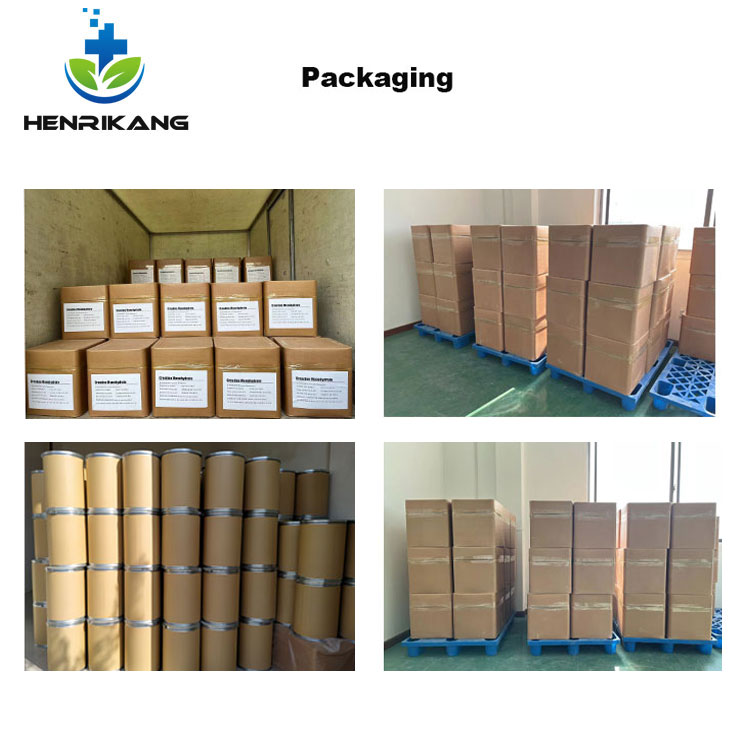
Packaging: 1kg/bag, 25kg/drum
Brand: Ausreson
MOQ: 1 kg
Appearance: White powder
Storage: Cool Dry Place
Shelf Life: 2 Years
Test Method: HPLC
Product Details
What is thiamine chloride powder?
Tymamine chloride is a stable, water-soluble form of vitamin B1. In the body, it is converted into an active coenzyme form (thiamine pyrophosphate), which directly participates in energy metabolism, nervous system function, and heart health.
Compared to the commonly available thiamine hydrochloride, thiamine chloride has a slightly different chemical structure, but its bioavailability is equally high. Due to its high purity and stability, it is particularly suitable for powder formulations and functional food additives.
Thiamine chloride Powder Usage and Synthesis.
Vitamin B1 is one of the B vitamins, mainly used for the prevention and treatment of vitamin B1 deficiency and its caused by pediculosis or Wernickes' encephalopathy, also used for peripheral neuritis, myocarditis, dyspepsia, congestive heart failure and other adjuvant therapy; used for vitamin B1 supplementation: including burns, fever, long term chronic infections patients; malabsorption syndrome with liver and biliary system disorders (e.g. alcoholism with Cirrhosis), small intestinal diseases (such as celiac disease, persistent diarrhea, etc.), gastrectomy, hyperthyroidism and hemodialysis patients; malnutrition caused by prolonged parenteral nutrition or insufficient intake, heavy laborers, as well as pregnant women, lactating women.
Usage Recommendations and Precautions
Recommended Dosage:
The daily maintenance dose for adults in Europe and America is typically 1.1-1.2 mg/day, but as a supplement, the common dosage range is 50-100 mg/day. The powder form allows for dosage adjustments to individual needs—it is recommended to use a precision milligram scale for measurement. First-time users should start with a lower dose or consult a healthcare provider.
How to Integrate into Daily Life
- Morning Energy Drink: Mix the measured powder with orange juice (vitamin C may enhance absorption) or a green smoothie.
- Pre-Workout Supplement: Add to water or an electrolyte drink 30 minutes before training.
- Functional Food Preparation: Add to homemade energy bars or nutrition balls.
Safety and Interactions
- Thyamine is a water-soluble vitamin; excess amounts are excreted in urine, making it highly safe.
- A very small number of people may be sensitive; it is recommended to try a small dose first.
- May interact with other medications (such as diuretics); those taking prescription medications long-term should consult a doctor.
Thiamine Chloride vs. Mononitrate: The Formulator's Choice
-
Superior Water Solubility: Thiamine chloride is "freely soluble" in water. This makes it the only viable choice for liquid supplements, energy shots, and parenteral (IV) nutrition.
-
Rapid Cellular Uptake: Its high solubility ensures immediate availability for the body's active transport mechanisms in the small intestine.
-
Acidic Stability: It maintains peak potency in low pH environments (typically pH 2.7–3.4), making it ideal for citrus-based functional drinks popular in the US and UK markets.
Pharmacological effect of Thiamine chloride.
In vivo, it combines with ATP to form pyrophosphate of B1, which plays an important role in the decarboxylation reaction of α-keto acid in sugar metabolism, changing pyruvate to acetate, and through the tricarboxylic acid cycle, forming an important connection between glycolysis and oxidative metabolism, promoting carbohydrate metabolism.
When the lack of vitamin B1, pyruvate decarboxylation oxidation is blocked, resulting in the accumulation of intracellular pyruvate, lactate, so that the small arteries dilate, diastolic blood pressure decreases, myocardial metabolism is dysfunctional, and in severe cases, there are circulatory disorders that lead to cardiac insufficiency, generalized edema and so on.
Impaired glucose metabolism, reducing the body's energy supply, so that the normal nerve involvement, sensory abnormalities, vision loss, muscle aches and pains and other symptoms of peripheral neuritis. In addition, vitamin B1 can inhibit the vitality of cholinesterase, and when it is lacking, cholinesterase activity increases, acetylcholine hydrolysis is accelerated, resulting in nerve impulse conduction disorders, affecting gastrointestinal and cardiac function.
Mainly absorbed through the gastrointestinal tract, distributed in all tissues T1/2 for 0.35 hours, metabolized in the liver, excreted through the kidney, normal people daily absorption of vitamin B1 is 5 to 15mg.
Product Method of Bulk Thiamine chloride Powder.
Thiamine hydrochloride is usually obtained by condensation, hydrolysis, neutralization, oxidation and acidification of an excess of acetamidine hydrochloride with α-dimethoxy β-methoxypropionitrile.
Frequently Asked Questions
Q: Is Thiamine Chloride better than Mononitrate for capsules?
A: Not necessarily. While Chloride has better solubility, Mononitrate is more stable in dry, long-shelf-life tablets. However, for high-potency capsules where rapid dissolution is desired, Chloride is superior.
Q: Does your Thiamine Chloride Powder meet EFSA guidelines?
A: Yes. Vitamin B1 is an authorized nutrient for food supplements in the EU. High-quality Thiamine HCl (CAS 67-03-8) meets the safety and efficacy criteria set by the European Food Safety Authority.
Q: What is the recommended dosage for Biohacking?
A: While the RDA is small (approx. 1.2mg), many longevity protocols in the US use "Mega-doses" of 50mg to 100mg to support metabolic health and nerve function, provided it is taken in a balanced B-Complex.
Q: Can Thiamine Chloride be used in vegan products?
A: Absolutely. Modern industrial synthesis of thiamine does not involve animal-derived raw materials, making it perfectly suitable for Vegan and Vegetarian certifications.
Поставщик тиамина хлорида (витамин B1 HCL) в порошке оптом.
Fournisseur en vrac de poudre de chlorure de thiamine (Vitamine B1 HCL).
Großhandelslieferant für Thiaminchlorid (Vitamin B1 HCL) Pulver.
Proveedor al por mayor de polvo de cloruro de tiamina (Vitamina B1 HCL).
Fornecedor de cloreto de tiamina (Vitamina B1 HCL) em pó no atacado.
Inquire This Product