
Pharmaceutical
Human APIs Powder
- Respiratory Drugs Raw Material
- Antiviral Antibacterial
- Antipyretic Analgesics
- Antihistamine Drugs
- Antineoplastic
- Cosmetic Raw Material
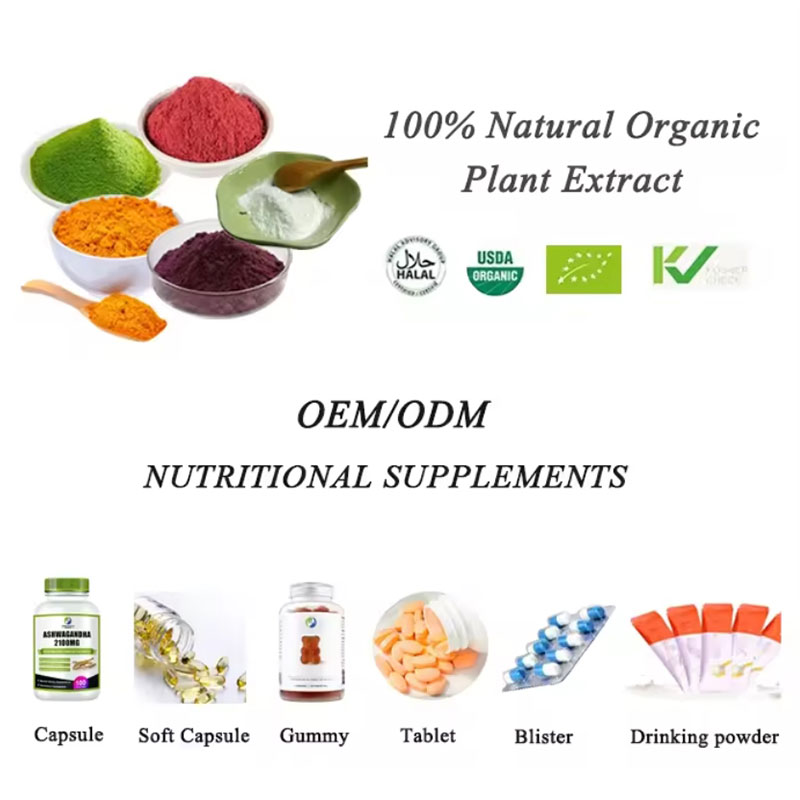
OEM & ODM
- Capsule
- Softgel Capsule
- Gummies
- Drop & drinks
- Tablets
- Effervescent Tablet
- Gel
- Powder
- Chewing Gum
- Pet Supplement
Veterinary raw materials
Phone: 86-18419147460
E-mail: sales03@nutritionoem.com
Add: Fengcheng 2nd Road, Weiyang District, Xi'an, Shaanxi, China
Non-GMO Retinyl acetate Powder CAS 127-47-9 supplier



Product Overview:
Vitamin A acetate is a fat-soluble vitamin, which is a nutritional supplement for Vitamin A. Vitamin A is involved in a variety of physiological processes in the human body, and when there is insufficient Vitamin A in the body, it will lead to impaired function of the optic rod cells, anemia, decreased immune function, poor growth, etc. Therefore, Vitamin A nutritionally fortified foods have been widely used in many countries.
Product Attributes
CAS: 127-47-9
MF: C22H32O2
MW: 328.49
EINECS: 204-844-2
Specification: 99% min Retinyl acetate powder
Sample: Retinyl acetate Powder Avaliable
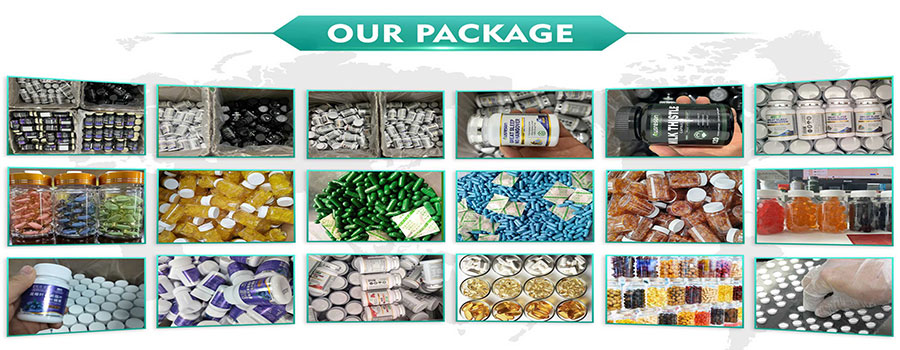
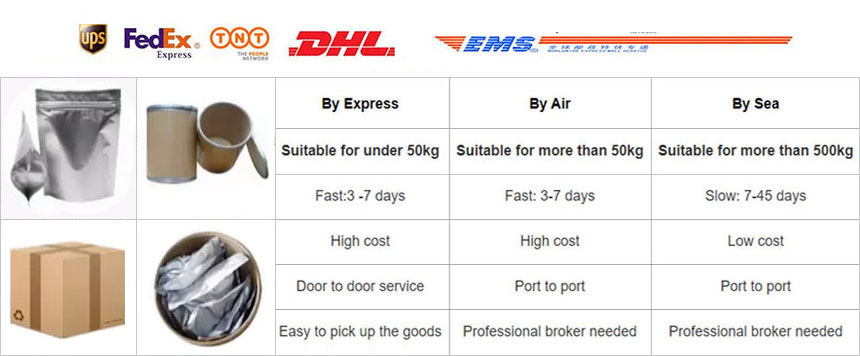
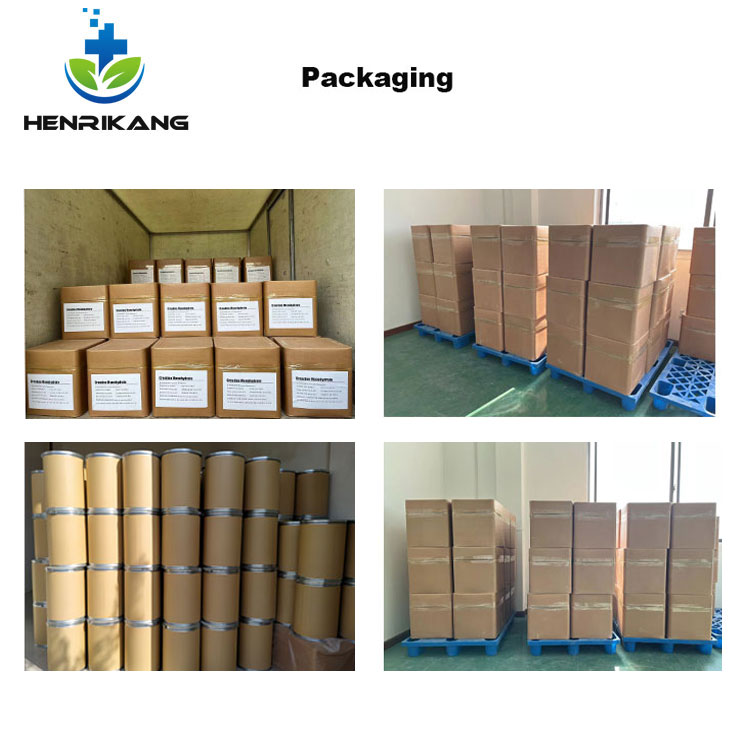
Packaging:1kg/bag, 25kg/drum
Brand: Ausreson
MOQ: 1 kg
Appearance: Yellow powder
Storage: Cool Dry Place
Shelf Life: 2 Years
Test Method: HPLC
Product Details
What is Retinyl Acetate Powder?
Retinyl acetate powder is a stabilized ester of retinol (Vitamin A). Unlike retinol, which is highly sensitive to light, oxygen, and temperature, the acetate form provides excellent shelf stability and high bioavailability. This makes it the preferred Vitamin A source for large-scale production, where consistent potency across the product’s lifecycle is non-negotiable.
Retinyl acetate Usage and Synthesis.
Vitamin A acetate can maintain the normal metabolism of the human body, can maintain the stability and development of cell membranes, maintain the normal function of the reproductive system, the formation of vision, easing the keratinization of the tissues, and enhance the cellular immunity has a significant role.
The vitamin is fat-soluble, is the regulation of epithelial tissue cell growth and health of the necessary factors, so that the rough aging skin surface thinning, wrinkle effect is obvious. It can be used in skin care, wrinkle removal, whitening and other advanced cosmetics.
Vitamin A acetate can be absorbed transdermally, anti-keratinization, stimulate the growth of collagen and elastin, increase the thickness of epidermis and dermis. It enhances skin elasticity, effectively eliminates wrinkles, promotes skin renewal and maintains skin vitality. It is used in eye cream, moisturizer, repair cream, shampoo and conditioner.
-
Superior Stability: Compared to Retinyl Palmitate or pure Retinol, the acetate form is more resistant to oxidative stress. This ensures that your final product maintains its label claim through long supply chain transit times.
-
Versatility: Its dry, powder form allows for precise blending in dry-mix nutraceuticals, tablets, and encapsulated skin-care serums.
-
Regulatory Compliance: It is widely recognized as a safe and effective ingredient under FDA and EFSA guidelines, making it an ideal choice for global product launches.
Uses of Retinyl acetate.
It can be absorbed transdermally, anti-keratinization, stimulate the growth of collagen and elastin, increase the thickness of epidermis and dermis. Enhances skin elasticity, effectively eliminates wrinkles, promotes skin renewal and maintains skin vitality. Used in eye creams, moisturizers, repair creams, shampoos, hair conditioners, etc.
Vitamin A oil acetate can maintain the normal metabolism of the human body, can maintain the stability and development of cell membranes, maintain the normal function of the reproductive system, the formation of vision, ease the keratinization of the tissues, and enhance the cellular immunity has a significant role.
Preparation of Retinyl acetate.
A method for the preparation of vitamin A acetate, comprising the steps of (1) condensation reaction between 3-methyl-4-oxo-2-buten-1-yl acetate (referred to as C5 aldehyde ester) and tetraethyl methylenediphosphonate under alkaline conditions to obtain the intermediate C6 phosphate ester (chemically named as 5-(diethyl phosphonate)-3-methyl-2,4-hexadien-1-yl acetate); (2) C6 phosphate ester was transposed under alkaline conditions and added to C14 aldehyde (chemically named 2-methyl-4-(2,6,6-trimethyl-1-cyclohexen-1-yl)-3-butene-1-aldehyde) in a Wittig-Horner condensation reaction to produce vitamin A acetate.
FAQ.
A: Its dry, crystalline form allows for easier handling, precise weighing, and significantly better shelf-life stability compared to oil-based Vitamin A, reducing waste and manufacturing variance.
A: Yes. Once absorbed, it is converted into retinoic acid by the skin, helping to stimulate collagen production and improve skin texture. Its stable form allows for more predictable results in formulations.
A: Yes, when used within the established safety limits for food supplements and cosmetics as defined by the European Food Safety Authority (EFSA) and the EU Cosmetic Regulation (EC) No 1223/2009.
A: Despite its high stability, it should still be stored in an airtight, light-protected container in a cool, dry place (ideally below 25°C) to prevent moisture ingress.
Поставщик порошка ретинила ацетата (CAS 127-47-9), не содержащего ГМО
Fournisseur de poudre d'acétate de rétinyle non OGM CAS 127-47-9
Lieferant von Retinylacetat-Pulver (CAS 127-47-9), nicht gentechnisch verändert
Proveedor de polvo de acetato de retinilo no transgénico CAS 127-47-9
Fornecedor de pó de acetato de retinila não OGM CAS 127-47-9
Inquire This Product