
Pharmaceutical
Human APIs Powder
- Respiratory Drugs Raw Material
- Antiviral Antibacterial
- Antipyretic Analgesics
- Antihistamine Drugs
- Antineoplastic
- Cosmetic Raw Material
OEM & ODM
- Capsule
- Softgel Capsule
- Gummies
- Drop & drinks
- Tablets
- Effervescent Tablet
- Gel
- Powder
- Chewing Gum
- Pet Supplement
Veterinary raw materials
Phone: 86-18419147460
E-mail: sales03@nutritionoem.com
Add: Fengcheng 2nd Road, Weiyang District, Xi'an, Shaanxi, China
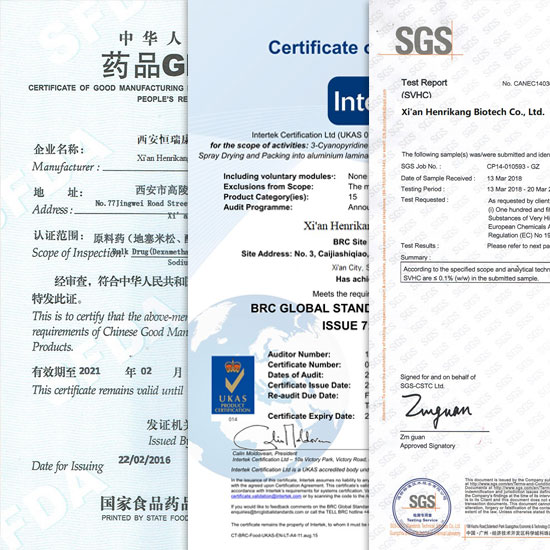
High purity Chitin Powder GMP certified manufacturer


Product Overview:
Chitin is a nitrogen-containing polysaccharide, also known as chitin, chitin, chitin, chitosan, bright keratin, etc., is the second most abundant biopolymer in nature, is very widely distributed, is an important component of many lower animals, especially arthropods such as shrimp, crabs, insects, etc., shells of the shells, shrimp shells contain about 15% to 30%, crab shells contain about 15% to 20%. It is also a component of the cell membrane of the lower plant fungus, lichen, green algae, yeast, jellyfish and squid body also contains.
Product Attributes
CAS: 1398-61-4
MF: C6H11NO4X2

MW: 161.16
EINECS: 215-744-3
Specification: 99% min Chitin powder
Sample: Chitin Powder Avaliable
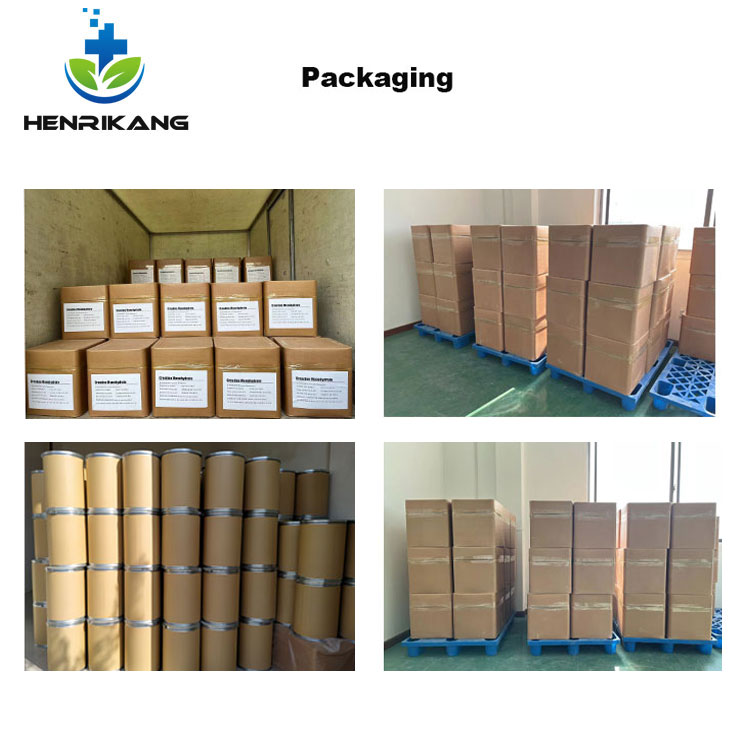
Packaging: 1kg/bag, 25kg/drum
Brand: Ausreson
MOQ: 1 kg
Appearance: White powder
Storage: Cool Dry Place
Shelf Life: 2 Years
Test Method: HPLC
Product Details
Chitin Powder Usage and Synthesis.
Chitin and products made of chitin are widely used because of their unique physical and chemical properties, such as moisture resistance, sunlight resistance, mildew resistance, corrosion resistance and other excellent characteristics. In the textile, printing and dyeing industry as a color-fixing agent, fabric shrinkage finishing agent.
In the pharmaceutical industry, it is used in the manufacture of anticancer drugs such as chlorourethromycin, artificial skin, surgical threads, and cholestrol-lowering drugs. Water treatment agent, flocculant, health food additive in environmental protection, beverage and food industry. Gluing agent for paper making and artificial board industry. A new generation of biodegradable film for food packaging and agricultural mulch. Agricultural applications in fertilizers, pesticides, pesticide release agents are compound materials, soaking agent, scientific research for the enzyme curing interceptor, separation membrane artificial kidney.
For, the development and application of chitin, in the international, Japan and the United States amount of the largest producer, but also the largest consumer market. Chitin and its derivatives in the cosmetics industry is widely used, such as shampoo, conditioner, bath, hair gel, mousse, perfume, night dew, water-based cosmetics, creams, lipsticks and other series of products, with the following excellent performance and efficacy:
(a)Safe and non-toxic.
(b) Good film-forming, breathability, biocompatibility. It forms a film on the skin surface, and because the film is a three-dimensional mesh structure, all kinds of moisturizing factors and physiological functional substances can be encapsulated in it, and it has a continuous slow-release effect.
(c)Good skin adhesion.
(d)Good stability: pH1~14 stable. Cold and heat stability is also good, good compatibility.
(e) Good skin conditioning, biodegradable, in line with environmental requirements.
Uses of Chitin.
Chitosan has a wide range of applications, such as:
(1) Chromatographic carrier
(2) Environmental protection: Chitosan and its derivatives have good chelating ability for many kinds of metals, especially some harmful metals that will cause serious environmental pollution, such as mercury, cadmium, copper, nickel, chromium and so on, so it is very promising in water purification and sewage treatment.
(3) Radioactive pollution purification: many radioactive pollution caused by the system belongs to the radioactive derivatives of the transition group elements, the use of chitosan can be removed.
(4) Comprehensive utilization of ores: it is an effective collector of zirconium, niobium, rubidium and so on.
(5) Glass fiber finishing agent
( (6) Applications in the dye industry: chitosan can be made into polymer-type dyes.
(7) Additives for paper industry
(8) Finishing agent for other fabrics
(9) Materials for photographic industry: At present, the international rapid development of liquid-free fixation and development of the photographic method (Polaroid) that is, the use of wear-resistant and light-sensitive chitosan.
(10) medicine and surgical supplies: chitin hydrolysis product of an amino glucose salt for the treatment of enteritis, colonic ulcers and pneumonia. Application of D-amino glucose or N-acetyl amino glucose as a chemotherapeutic agent for certain tumors, the effect is very good. Chitosan has some assistance in bacteriolysis. Can also be used as blood anticoagulant, wound healing agent.
Use chitosan to make surgical sutures, artificial skin and wound dressings, human hematopoietic and hemostatic sponges, contact lenses, the preparation of drug carriers, the use of good results. Other uses include for adhesives, fillers for cigarette paper, leather finishing agents, flocculants, and so on. In addition, its use in enzyme immobilization, seasonings and beverages, and household chemicals has attracted widespread attention.
Industrial and Environmental Solutions
-
Water Treatment: Chitin's high affinity for heavy metals and dyes makes it an effective adsorbent for clarifying wastewater and removing pollutants.
-
Textile and Paper Manufacturing: As a sizing agent and dye fixative, chitin improves the durability and color fastness of fabrics and paper products.
-
Cosmetics Formulation: Valued for its moisture-retention properties, chitin forms protective films in hair care products and acts as a natural humectant in skincare formulations.
-
Animal Nutrition: In aquaculture, chitin serves as both a nutrient source and immunostimulant in fish and shrimp feed, improving survival rates in high-density farming environments
Characteristic of Chitin.
White amorphous powder, odorless and tasteless. It can be dissolved in dimethyl acetamide containing 8% lithium chloride or concentrated acid; insoluble in water, dilute acid, alkali, ethanol or other organic solvents. In nature, chitin is widely found in lower plant fungi, shells of crustaceans such as shrimps, crabs, insects, cell walls of higher plants and so on.
It is a linear polymer polysaccharide, i.e. natural neutral mucopolysaccharide. If treated with concentrated alkali to remove the acetyl group, that is, deacetyl chitosan.
Chitosan is chemically inactive, does not change with body fluids, does not cause a foreign body reaction to the tissue, non-toxic, with anti-thrombosis, high temperature disinfection resistance and other characteristics. Deacetyl chitosan is an alkaline polysaccharide with antacid and anti-inflammatory effects, and can lower cholesterol and blood lipids.

Product Method of Bulk Chitin Powder.
Chitin naturally exists in the shells of crustaceans, crab shells contain 15% to 20%, shrimp shells contain 15% to 30%.
Can shrimp, crab shells as raw materials to extract chitin. Shrimp, crab shells in the meat removed, washed and immersed in 4% to 6% of hydrochloric acid 3 ~ 4d, inorganic salts dissolved and removed; after washing with 10% o sodium hydroxide immersion 1 ~ 2h, washed to remove proteins, washed and oxidized with 1% of the KMnO4 bleach to remove impurities; washed and washed with 1% of the sodium bisulphite solution elution of the residual permanganate, and then finally washed and dried fully to obtain finished products Chitin The finished product chitin is obtained by full washing and drying.
Frequently Asked Questions About Chitin Powder
What exactly is chitin powder?
Chitin powder is a natural polysaccharide derived primarily from crustacean shells, insect exoskeletons, and fungal cell walls. It's the second most abundant natural polymer on Earth after cellulose. Commercially, it typically appears as a white or off-white fine powder used across various industries.
How is chitin powder different from chitosan?
Chitin and chitosan are closely related but distinct materials. Chitin is the acetylated form of the polymer, while chitosan is produced by removing acetyl groups through a chemical process called deacetylation. This structural difference makes chitosan soluble in acidic solutions, whereas chitin remains insoluble in most solvents, affecting their respective applications.
Is chitin powder safe for medical and cosmetic use?
Yes, when properly purified. Chitin's excellent biocompatibility, biodegradability, and non-toxic nature make it suitable for medical applications like wound dressings, surgical sutures, and contact lenses. In cosmetics, it functions as a film-forming agent and moisturizer. However, quality varies significantly—pharmaceutical-grade chitin undergoes extensive purification to remove potential allergens and contaminants.
What are the main challenges in working with chitin powder?
The primary technical challenge is solubility—chitin doesn't dissolve in water or common organic solvents. This necessitates either conversion to chitosan or use of specialized solvent systems for formulation. Additionally, maintaining stable suspensions in products and ensuring consistent purity (especially for medical applications) require specialized expertise and equipment.
Высокоочищенный порошок хитина производитель с сертификатом GMP
Poudre de chitine de haute pureté fabricant certifié GMP
Hochreines Chitinpulver GMP-zertifizierter Hersteller
Polvo de quitina de alta pureza fabricante certificado GMP
Pó de quitina de alta pureza fabricante certificado GMP
Inquire This Product