
Pharmaceutical
Human APIs Powder
- Respiratory Drugs Raw Material
- Antiviral Antibacterial
- Antipyretic Analgesics
- Antihistamine Drugs
- Antineoplastic
- Cosmetic Raw Material
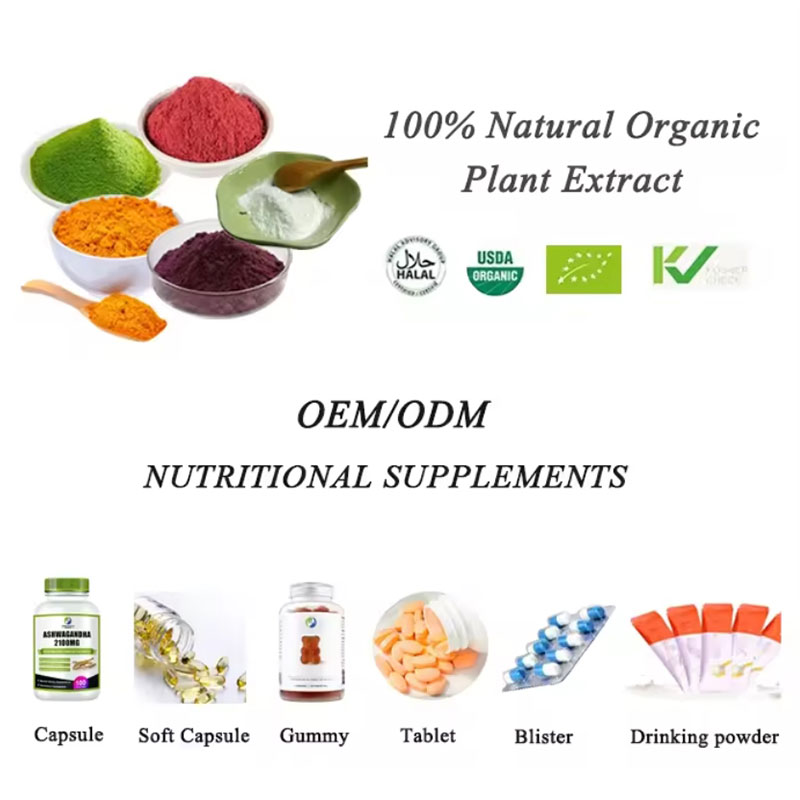
OEM & ODM
- Capsule
- Softgel Capsule
- Gummies
- Drop & drinks
- Tablets
- Effervescent Tablet
- Gel
- Powder
- Chewing Gum
- Pet Supplement
Veterinary raw materials
Phone: 86-18419147460
E-mail: sales03@nutritionoem.com
Add: Fengcheng 2nd Road, Weiyang District, Xi'an, Shaanxi, China
COA Pectinase enzyme powder supplier


Product Overview:
Pectinase is revolutionizing food and beverage processing across Europe and North America. As consumers increasingly demand natural, high-quality products with minimal processing, this enzyme has emerged as a critical ingredient for producers seeking to meet market expectations while optimizing production efficiency. Derived from natural microbial sources, pectinase offers a sustainable, clean-label alternative to traditional chemical processing methods.
Product Attributes
CAS: 9032-75-1
MF: C18H37N(CH3)2
EINECS: 232-885-6
Specification: 99% min Pectinase powder
Sample: Pectinase powder Avaliable
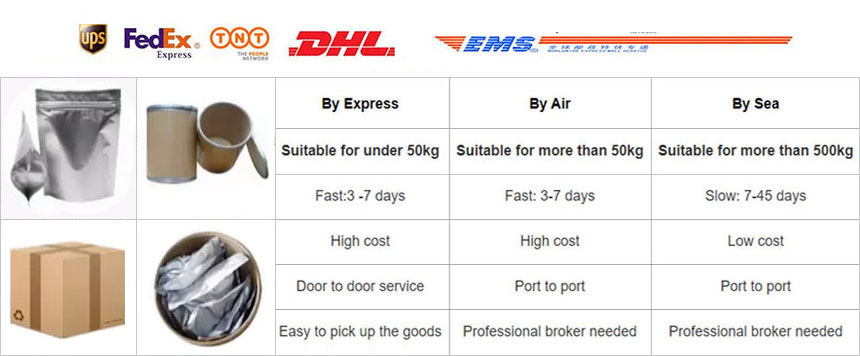
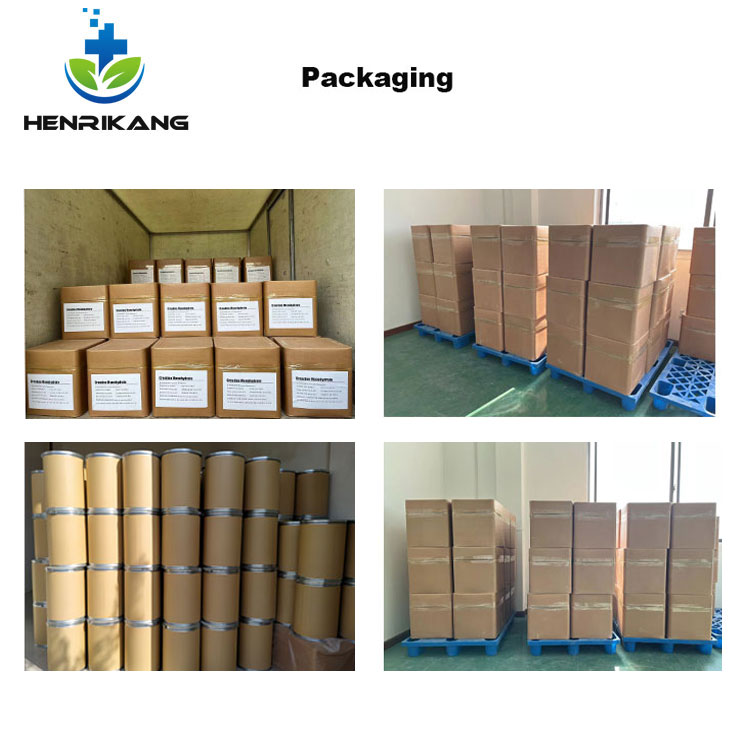
Packaging: 1kg/bag, 25kg/drum
Brand: Ausreson
MOQ: 1 kg
Appearance: White powder
Storage: Cool Dry Place
Shelf Life: 2 Years
Test Method: HPLC
Product Details
Pectinase powder Usage and Synthesis.
Pectinase plays a very important role in juice production.
In general, fruit juice after crushing contains pectin, cellulose and other solids, according to the size of the molecule, pectin plays the role of plant fibers, it will prevent or even make the liquid flow stop, so that the solid particles to remain suspended, the juice is in a uniform turbid state.
Therefore, the production of fruit juice must be pectin decomposition, so that its inactivity, in order to make the juice to achieve the purpose of clarification, and pectinase can play this role.
Cellulase is suitable for the treatment of fruit and vegetable pulp can pomace; applicable to the production of plant extracts.
Uses of Pectinase powder.
Pectinase can greatly increase the capacity of pressing and centrifugal separation, save energy and reduce consumption, and improve the juice yield by 10-30%. It can rapidly clarify fruit and vegetable juice, make fruit and vegetable juice more transparent, ultrafiltration is more concise and economical.
It can effectively degrade pectin and other substances that cause turbidity, ensure good color value and clarification of the product, and improve the sensory quality of fruit and vegetable juice. Enhance the color and aroma, improve the sensory quality.
Can effectively prevent the product after the turbidity, to ensure the stability of fruit juice shelf storage period.
Pectinase can catalyze the hydrolysis of methyl ester in pectin, as well as decompose polygalacturonic acid into smaller molecular polymers. It can be used as clarifying agent for beverages and also used for orange decapsulation. It can be used in canned oranges in sugar water (decapsulation), fruit wine, fruit juice, according to the production needs of the appropriate amount of use.
Enzyme preparation. Mainly used for juice clarification, improve juice filtration speed, improve juice yield, reduce the viscosity of juice, prevent the gelatinization of fruit puree and juice concentrate, strengthen the color of grape juice and the comprehensive utilization of fruit and vegetable scraps. The highest reference dosage is 200mg/kg.
Such as grape juice with 0.2% pectinase at 40 ~ 42 ℃ in 3h, can be completely clarified. Grape pulp with 0.05% pectinase at 30 ~ 35 ℃, can increase the yield of 15%, improve the filtration speed l times.
Characteristic of Pectinase powder.
It is usually an off-white powder, or a brownish yellow liquid. There are three main enzymes that are the active ingredients in commercial pectinases.
One is pectin methylesterase (Pectinpectylhydrolase) (EC3.1.1.11), whose main function is to catalyze the methyl ester pectin in order to remove the methyl ester group and produce polygalacturonide bonds and methanol. Another is polygalacturonase (Polygalacturonase; EC3.2.1.15) whose role is to hydrolyze the galacturonide groups bound in pectin by α-1,4-bonds to reducing sugars.
The third is pectin lyase (Pectinlyase; EC4.2.2.10), which breaks pectin to yield oligosaccharides. In addition, playing a secondary role are β-glucanase (β-Glucanase; EC3.2.1.6), β-glucosidase (β-Glucosidase; EC3.2.1.21) and xylanase (Xylanase; EC3.2.1.32). The temperature of action was 40-50°C and the optimum pH was 3.5-4.0.
Iron, copper and zinc ions have obvious inhibitory effects. Soluble in water. Natural products are widely found in higher plants (such as citrus, apple, tomato, etc.) and microorganisms.

Product method of Bulk Pectinase powder.
This enzyme mainly comes from mold, industrial production mainly adopts Aspergillus niger as the production bacteria. It is cultivated in solid medium containing soybean meal, sucrose, apple pomace, etc.; then it is extracted with water, precipitated by organic solvent, then separated, dried and crushed to obtain the product.
Commercial preparations also need to add diatomaceous earth, glucose and other fillers and preservatives, stabilizers and so on. It can also be obtained by extracting the mold after deep cultivation.
Frequently Asked Questions
Q1: Is pectinase safe for consumption?
A: Yes, pectinase is generally recognized as safe (GRAS) by regulatory authorities worldwide when produced under proper conditions. It's derived from natural microbial sources and is used in quantities that effectively break down during processing, leaving no active enzyme in the final product.
Q2: How does pectinase differ from other clarifying agents?
A: Unlike chemical clarifiers or physical filtration methods, pectinase specifically targets pectin molecules naturally, without adding foreign substances or requiring energy-intensive equipment. It works at molecular level to break down the substances that cause cloudiness, resulting in more stable clarification.
Q3: Can pectinase be used in organic production?
A: Certain pectinase formulations are approved for organic processing. Look for suppliers who provide specifically certified organic versions and verify with your local organic certifier, as regulations vary between the EU, USDA, and other certification bodies.
Q4: What fruits benefit most from pectinase treatment?
A: Fruits with high pectin content show the most dramatic improvements. Apples, citrus fruits, berries, and grapes respond particularly well. Even lower-pectin fruits like peaches and pears benefit through improved yield and processing efficiency.
Q5: Does pectinase affect the nutritional value of juices?
A: Studies show pectinase treatment may actually increase bioavailability of certain nutrients by breaking down cell walls that otherwise trap vitamins and antioxidants. The enzyme itself is protein-based and breaks down during processing, adding no calories or altering nutritional profiles negatively.
Поставщик ферментного порошка пектиназы с сертификатом анализа (COA)
Fournisseur de poudre enzymatique de pectinase avec certificat d'analyse (COA)
Lieferant von Pektinase-Enzympulver mit Analysezertifikat (COA)
Proveedor de polvo enzimático de pectinasa con certificado de análisis (COA)
Fornecedor de pó enzimático de pectinase com certificado de análise (COA)
Inquire This Product