
Pharmaceutical
Human APIs Powder
- Respiratory Drugs Raw Material
- Antiviral Antibacterial
- Antipyretic Analgesics
- Antihistamine Drugs
- Antineoplastic
- Cosmetic Raw Material
OEM & ODM
- Capsule
- Softgel Capsule
- Gummies
- Drop & drinks
- Tablets
- Effervescent Tablet
- Gel
- Powder
- Chewing Gum
- Pet Supplement
Veterinary raw materials
Phone: 86-18419147460
E-mail: sales03@nutritionoem.com
Add: Fengcheng 2nd Road, Weiyang District, Xi'an, Shaanxi, China
Distarch Phosphate E1414 Powder supplier | Ausreson


Product Overview:
Double starch phosphate is a chemical substance, has a certain degree of toxicity, when heated will decompose pungent smoke, etc., white powder, pasteurization temperature is higher and lower wettability, Chinese aliases are phosphate double starch; two starch phosphate; starch phosphate double ester; phosphate double starch strength, adhesion, hardness and other properties of the poor, on the preparation of the flour and other products such as texture, performance has a great impact, and thus the preparation of the optimal phosphate double starch in the field of flour has an important significance.
Product Attributes
CAS: 55963-33-2
Specification: 99% min Distarch Phosphate Powder
Sample: Distarch Phosphate Powder Avaliable
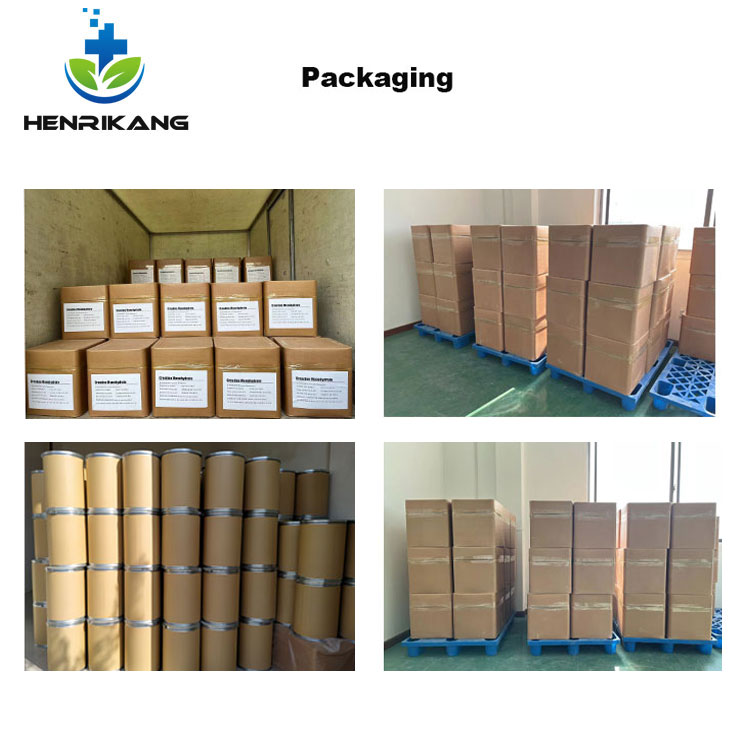
Packaging: 1kg/bag, 25kg/drum
Brand: Ausreson
MOQ; 1 kg
Appearance: White powder
Storage: Cool Dry Place
Shelf Life: 2 Years
Test Method: HPLC
Product Details
Last updated: March 2026
Why Cross-Linking Matters.
Standard starches break down under high heat or acidic conditions. Our Distarch Phosphate is engineered through a precise phosphorylation process, resulting in:
-
Extreme Thermal Stability: Maintains its thickening power even during UHT (Ultra-High Temperature) processing or prolonged boiling.
-
Acid & Shear Resistance: Perfect for salad dressings and acidic fillings where low pH and high-speed mixing usually destroy starch granules.
-
Freeze-Thaw Stability: Prevents syresis (water weeping) in frozen convenience foods—a critical factor for the North American frozen food sector.
Purity, Standards, and Compliance
To secure B2B contracts with Global Manufacturers, your documentation must meet the highest transparency benchmarks:
-
FCC & EU Food Additive (E1412) Grade: Fully compliant with the Food Chemicals Codex and European Union safety regulations.
-
Non-GMO & Gluten-Free: Sourced from high-quality waxy maize or tapioca, meeting the "Clean Label" demands of Western consumers.
-
Microbial Purity: Rigorously tested for yeast, mold, and pathogens to ensure safety in both food and cosmetic applications.
-
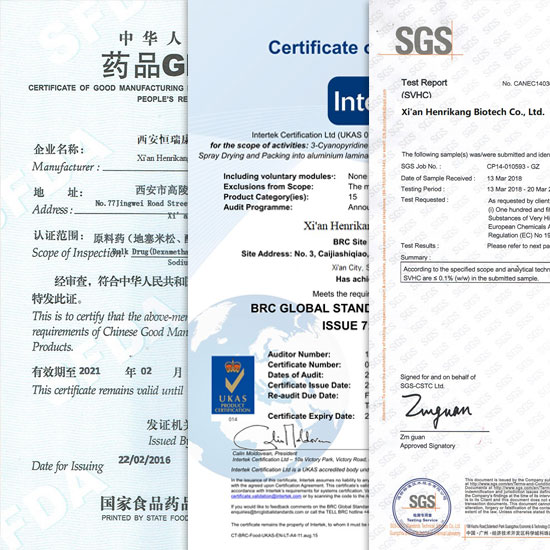
Full Documentation: Every shipment includes a COA (Certificate of Analysis), MSDS, and GMO Statement.
Uses of Distarch Phosphate.
Double starch phosphate is a chemical substance that is toxic and decomposes into pungent fumes when heated.Distarch Phosphate supplier is often used in the food industry as a thickener, stabilizer, and gelling agent. Double starch phosphate is often used as a thickener, stabilizer and gelling agent in the food industry.
It can increase the viscosity and stability of food, and improve the taste and texture of food.[1] However, due to its toxicity, it is not suitable for use in food. However, the use of double starch phosphate is limited due to its toxicity
Application of Distarch Phosphate.
In the UK and EU food industries, Distarch Phosphate is the "hidden hero" in premium condiments.
-
Texture Control: Provides a short, non-stringy texture and a glossy finish to sauces and gravies.
-
Clean Sensation: It has a neutral taste profile, ensuring the authentic flavors of your ingredients shine through.
As a high-purity additive, it serves as an excellent Binder and Disintegrant. In the US supplement market, it is used to ensure tablets maintain their shape during transport while dissolving efficiently upon ingestion.
With the growing litigation and safety concerns surrounding talcum powder in North America, Distarch Phosphate is trending as a safe, botanical alternative.
-
Oil Absorption: Used in dry shampoos and body powders to absorb excess sebum.
-
Velvety Feel: Provides a smooth, non-greasy "skin feel" in premium lotions and deodorants.

Product Method of Bulk Distarch Phosphate Powder.
It is made by neutralizing, washing and drying starch milk with sodium trimetaphosphate or phosphoryl chloride, or sodium tripolyphosphate plus sodium trimetaphosphate after cross-linking reaction under alkaline conditions.
Frequently Asked Questions about Phosphorylated Distarch Phosphate
Yes. It is recognized as safe (GRAS) by the FDA (US) and is an approved food additive in the EU (E1412). It is digested similarly to natural starch but provides superior functional benefits.
Distarch Phosphate (E1412) is primarily cross-linked for stability. Phosphated Distarch Phosphate (E1414) is both cross-linked and stabilized, offering even higher resistance to extreme processing conditions.
While it is a carbohydrate, because of its high efficiency, it is used in very low percentages to achieve texture, helping to keep the overall net carb count low in functional snacks.
Under EU and US labeling laws, it must be declared as "Modified Starch." However, it is a plant-derived ingredient and is non-animal based, making it ideal for Vegan and Vegetarian products.
Поставщик порошка дикрахмалфосфата E1414 | Ausreson
Fournisseur de poudre de phosphate de diamidon E1414 | Ausreson
Lieferant von Distärkephosphat E1414 Pulver | Ausreson
Proveedor de polvo de fosfato de dialmidón E1414 | Ausreson
Fornecedor de pó de fosfato de diamido E1414 | Ausreson
Inquire This Product