
Pharmaceutical
Human APIs Powder
- Respiratory Drugs Raw Material
- Antiviral Antibacterial
- Antipyretic Analgesics
- Antihistamine Drugs
- Antineoplastic
- Cosmetic Raw Material
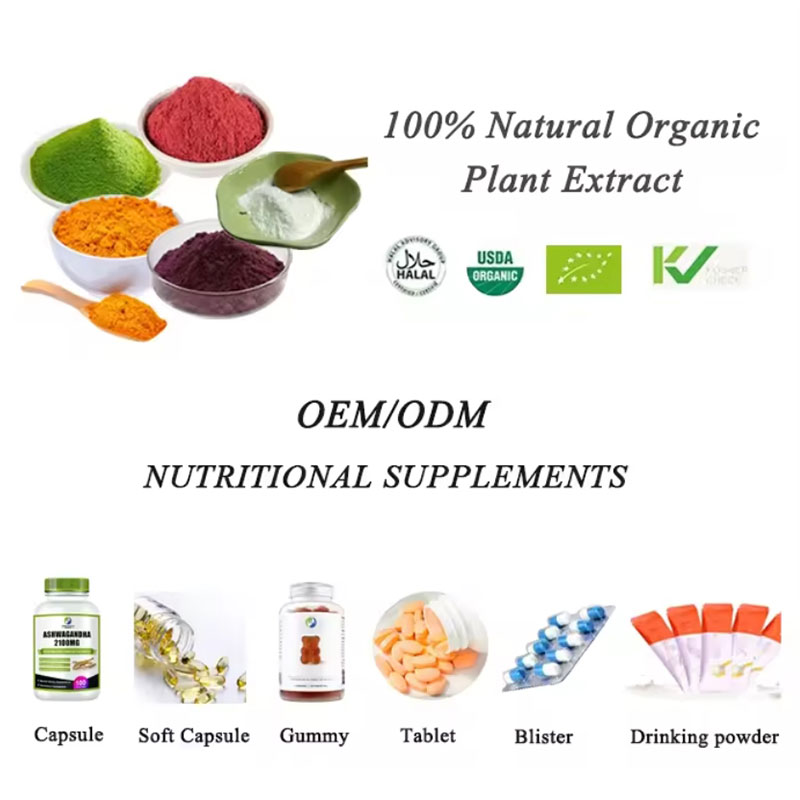
OEM & ODM
- Capsule
- Softgel Capsule
- Gummies
- Drop & drinks
- Tablets
- Effervescent Tablet
- Gel
- Powder
- Chewing Gum
- Pet Supplement
Veterinary raw materials
Phone: 86-18419147460
E-mail: sales03@nutritionoem.com
Add: Fengcheng 2nd Road, Weiyang District, Xi'an, Shaanxi, China
Non-GMO Soybean Polysaccharide Powder bulk supplier


Product Overview:
Soybean polysaccharides are high-purity, water-soluble polysaccharides obtained from soybeans or soybean processing byproducts using modern extraction techniques. They are primarily composed of galactose, arabinose, and rhamnose, and are a type of natural high-molecular-weight carbohydrate. Unlike common starches or colloids, soybean polysaccharides exhibit excellent stability and emulsifying properties even at low viscosity, and are extremely resistant to acid and heat, making them stand out in numerous industrial applications.
Product Attributes
Specification: 99% min Soybean Polysaccharide Powder
Sample: Soybean Polysaccharide Powder Avaliable
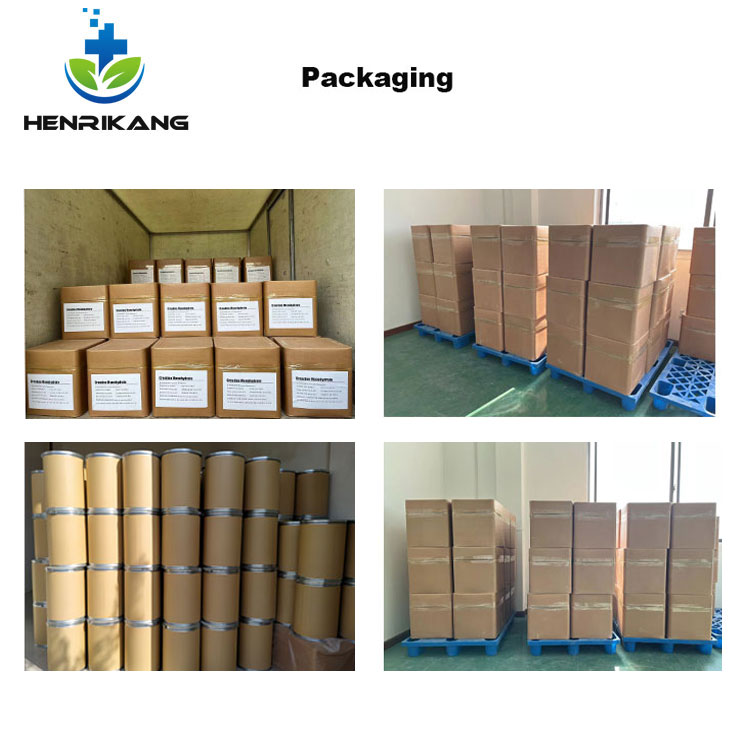
Packaging: 1kg/bag, 25kg/drum
Brand: Ausreson
MOQ: 1 kg
Appearance: White powder
Storage: Cool Dry Place
Shelf Life: 2 Years
Test Method: HPLC
Product Details
What is Soybean Polysaccharide?
Derived from the soybean, Soybean Polysaccharide is a water-soluble dietary fiber. Unlike typical insoluble fibers, it offers excellent solubility and stability across a wide pH range, making it a "functional superstar" in food science.
Soybean Polysaccharide Powder Usage and Synthesis.
Soya polysaccharide has a variety of biological activities and is a natural functional component that inhibits lipid oxidation and stabilises proteins in acidic beverages, which can improve the food quality, processing characteristics and appearance of food products. Water-soluble soybean polysaccharides have low viscosity and can be made into highly concentrated solutions, the viscosity of which is almost unaffected by salts, and their thermal stability to temperature is superior to that of other sugars.
In addition, dried soybean polysaccharide has strong adhesion and can form a film, so soybean polysaccharide can be used as a coating material.
Soybean polysaccharide has a variety of functions such as dispersion, stability, emulsification and adhesion, which can not only be used as dietary cellulose to fortify food, but also can be used in the pharmaceutical industry.
In addition, soybean polysaccharide has biological activities such as regulating blood glucose value and blood lipids, promoting the adsorption and excretion of harmful substances in the intestinal tract, and promoting the absorption and utilisation of minerals, and it also has a certain efficacy in antioxidant, anti-bacterial, anti-viral, and immune modulation.
Main Application Areas
- Food and Beverages: Widely used in acidic protein drinks, flavored yogurt, sauces, salad dressings, meat products, and baked goods as a stabilizer, thickener, and texture improver.
- Health Supplements: As a key ingredient in dietary fiber supplements, used in powders, capsules, or functional snacks.
- Cosmetics and Personal Care: Utilizing its film-forming and moisturizing properties, it is used in lotions, masks, and other products, providing natural and gentle formulation options.
Uses of Soybean Polysaccharide.
Soybean polysaccharide is mainly made from soybean protein processing or soybean residue fibre, a by-product of soybean product processing such as tofu and bean curd, etc. It is refined by pretreatment, enzyme digestion (cellulase, hemicellulase, protease, etc.), separation, decolouration, sterilisation, drying and other processes.
Soybean polysaccharide is white to light yellow powder, low viscosity of aqueous solution, good taste, no bad smell. In addition to being an excellent water-soluble dietary fibre, Soya polysaccharide is also a high-performance emulsion stabilizer, especially in the acidic environment with a unique stabilisation of protein emulsified fat properties.
Applications: From Food Science to Daily Wellness
-
For Beverage Manufacturers: It is the go-to stabilizer for protein-fortified drinks.
-
For Health Enthusiasts: It can be used as a tasteless, odorless fiber supplement to enhance the nutritional profile of smoothies, baked goods, or protein shakes.

Functional characteristics of Bulk Soybean Polysaccharide Powder.
1.Physiological health care function of soybean polysaccharide not only has the general dietary fibre functions, such as: promote intestinal peristalsis, weight loss, lower blood pressure, lower serum cholesterol and triglyceride levels, lowering blood glucose, enhance high-density lipoprotein, reduce low-density lipoprotein, and the prevention of certain cancers, etc., but also regulate the balance of microbial nutrition in the gastrointestinal and cholesterol metabolism, and inhibit the oxidation of lipids in immune serum. 2. It can also regulate the balance of microbial nutrition in gastrointestinal and cholesterol metabolism and inhibit the oxidation of lipid in immune serum.
2. Stabilisation of protein under acidic conditions Acidic protein beverages are often subject to protein precipitation, and stabilisers such as pectin are often added to stabilise acidic protein beverages. Carboxymethylcellulose, carrageenan and propyleneglycol alginate are also commonly used stabilisers in acidic milk beverages, and in general pectin and carboxymethylcellulose are used to stabilise acidic milk beverages by increasing the viscosity of the beverages. In general, pectin and carboxymethyl cellulose mainly stabilise protein drinks by increasing their viscosity, which is lower than that in drinks containing soya bean polysaccharides, so that acidic milk beverages can be obtained without viscosity and are more refreshing, and are not affected by the concentration of salt ions in the system and the pH.
FAQ
A: No. Soy protein is used for muscle building and satiety. Soybean Polysaccharide is a dietary fiber focused on digestive health and texture stabilization. They serve very different roles in formulation.
A: Our high-purity Soybean Polysaccharide powder undergoes a rigorous purification process to minimize protein content, significantly reducing the allergen risk. However, always consult with our technical team for the specific COA regarding allergen status.
A: Yes. As a soluble fiber, it ferments in the colon, supporting the production of Short-Chain Fatty Acids (SCFAs), which are vital for colon health and immune function
Поставщик оптовых партий порошка соевого полисахарида, не содержащего ГМО
Fournisseur de poudre de polysaccharide de soja non OGM en vrac
Großhandelslieferant für Non-GMO Sojapolysaccharid-Pulver
Proveedor al por mayor de polvo de polisacárido de soja no transgénico
Fornecedor de pó de polissacarídeo de soja não transgênico a granel
Inquire This Product