
Pharmaceutical
Human APIs Powder
- Respiratory Drugs Raw Material
- Antiviral Antibacterial
- Antipyretic Analgesics
- Antihistamine Drugs
- Antineoplastic
- Cosmetic Raw Material
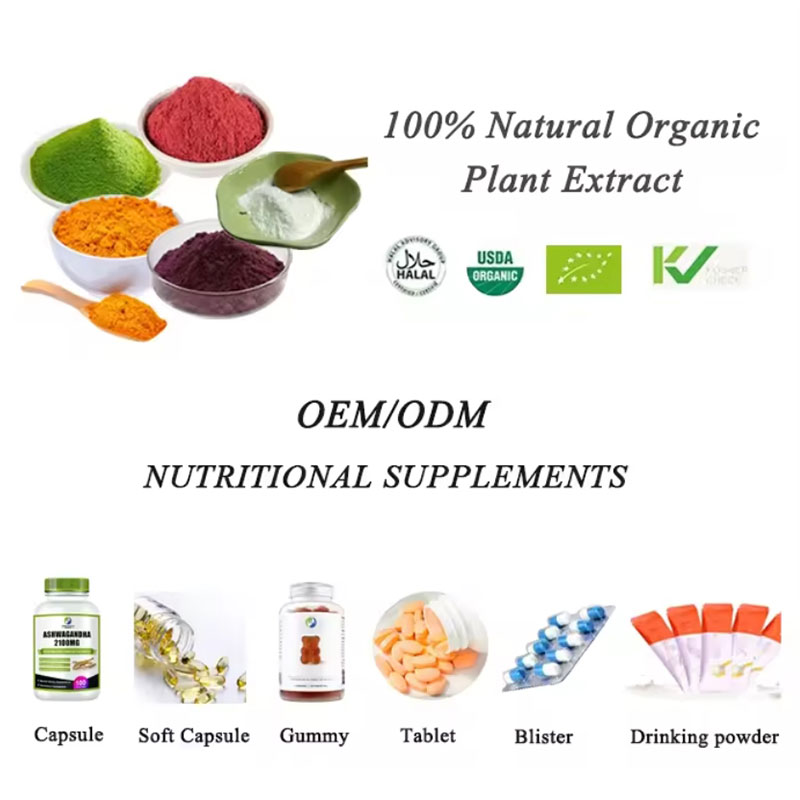
OEM & ODM
- Capsule
- Softgel Capsule
- Gummies
- Drop & drinks
- Tablets
- Effervescent Tablet
- Gel
- Powder
- Chewing Gum
- Pet Supplement
Veterinary raw materials
Phone: 86-18419147460
E-mail: sales03@nutritionoem.com
Add: Fengcheng 2nd Road, Weiyang District, Xi'an, Shaanxi, China
50mg Zinc Gluconate supplement Powder for skin


Product Overview:
Zinc gluconate is present in numerous enzyme systems such as carbonic anhydrase, respiratory enzymes, lactate dehydrogenase, superoxide dismutase, alkaline phosphatase, DNA and RNA polymerases, etc. It is necessary for the synthesis of nucleic acids, proteins, carbohydrates, and the utilisation of vitamin A. Zinc gluconate has been shown to have a beneficial effect on growth and taste. Zinc promotes growth and development and improves the sense of taste. Zinc deficiency is associated with poor taste and smell, anorexia, and lower than normal growth and mental development.
Product Attributes
CAS:4468-02-4
MF:C12H22O14Zn

MW:455.68
EINECS:224-736-9
Specification: 99% min Zinc Gluconate Powder
Sample:Zinc Gluconate Powder Avaliable
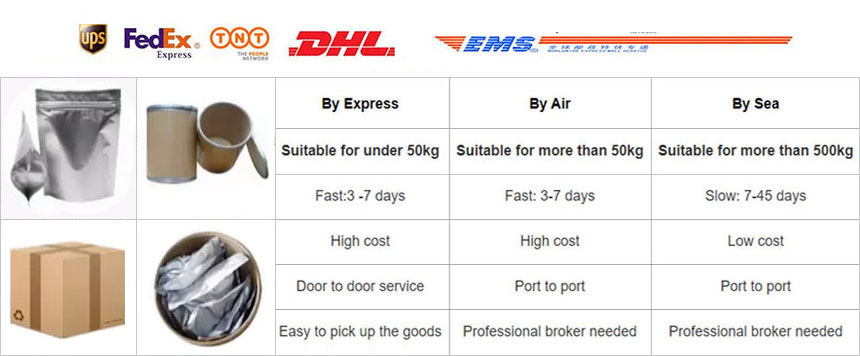
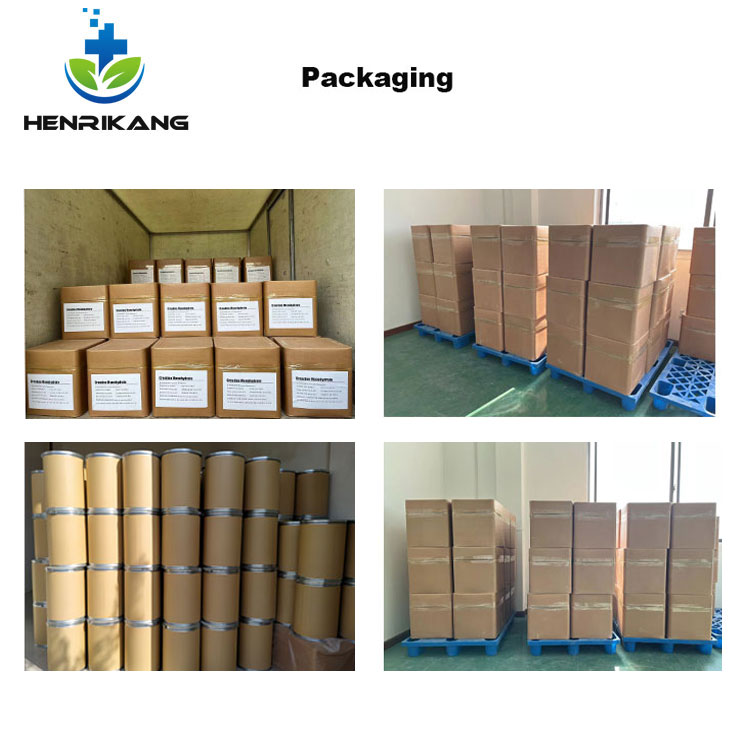
Packaging:1kg/bag, 25kg/drum
MOQ:1 KG
Brand: Ausreson
Appearance: White to Almost white
Storage: Cool Dry Place
Shelf Life: 2 Years
Test Method: HPLC
Product Details
Zinc Gluconatete Powder Usage and Synthesis.
Zinc gluconate is present in numerous enzyme systems such as carbonic anhydrase, respiratory enzymes, lactate dehydrogenase, superoxide dismutase, alkaline phosphatase, DNA and RNA polymerases, etc. It is necessary for the synthesis of nucleic acids, proteins, carbohydrates, and the utilisation of vitamin A. Zinc gluconate has been shown to have a beneficial effect on growth and taste. Zinc promotes growth and development and improves the sense of taste. Zinc deficiency is associated with poor taste and smell, anorexia, and lower than normal growth and mental development.
Zinc Gluconate vs Zinc PicolinateNahrungsergänzungsmittel in Pulverform mit Zinkgluconat zur Unterstützung des Immunsystems - Ausreson
| Characteristics | Zinc pyridoxine | Zinc gluconate |
|---|---|---|
| Chemical structure | Zinc bound to pyridoxine (a naturally occurring organic acid) | Zinc bound to gluconic acid (derived from glucose). |
| Elemental Zinc Content | Approximately 20% (e.g., 50mg zinc picolinate ≈ 10mg elemental zinc) | Approximately 14% (e.g., 50mg zinc gluconate ≈ 7mg elemental zinc) |
| Bioavailability | Considered highest. Research indicates its absorption efficiency may surpass zinc gluconate and other forms. | High. A highly bioavailable form, extensively studied and validated. |
| Primary Applications | 1. Correcting zinc deficiency 2. As an efficient daily dietary supplement 3. Skin health, immune function |
1. Cold syrups and throat lozenges (providing local throat relief) 2. Daily dietary supplementation 3. Immune function, wound healing |
| Cost | Typically slightly higher | Economical, offering good value for money |
| Characteristics | • Favoured in emerging research, with absorption rates highly regarded • Potentially gentler on the stomach |
• Classic, well-studied • Provides a soothing sensation in throat lozenges |
Zinc Gluconate vs Zinc Picolinate: Why the Difference in Bioavailability?Suplemento Nutricional em Pó de Gluconato de Zinco para o Apoio do Sistema Imunológico - Ausreson
- Zinc Picolinate: Picolinic acid, as an effective chelating agent, forms stable, electrically neutral complexes with zinc. This structure facilitates easier passage through intestinal epithelial cell membranes, believed to be absorbed via a unique ‘channel’ that avoids competition with other minerals for absorption pathways.
- Zinc Gluconate: Also exhibits excellent bioavailability, but its absorption may rely more heavily on shared mineral transport channels, theoretically presenting potential competition with other minerals such as copper and iron. Питательная добавка в форме порошка с глюконатом цинка для поддержки иммунной системы - Аусрезон
How to Choose Between Zinc Gluconate and Zinc Picolinate
You should prioritise Zinc Picolinate if:
- You have been diagnosed with zinc deficiency and wish to rapidly elevate zinc levels in the most efficient manner.
- You seek cutting-edge nutritional supplementation and trust current research on high bioavailability.
- You experience gastric discomfort when taking other zinc forms (though all zinc supplements may cause discomfort when taken on an empty stomach).
- Your budget is relatively flexible.
You may opt for Zinc Gluconate if:
- Your goal is routine preventive supplementation or immune system support, where its efficacy is well-established.
- You seek lozenges or syrups for alleviating cold symptoms (zinc gluconate is the standard ingredient in such products).
- Cost-effectiveness is your primary consideration.
- You are satisfied with your current supplement's effectiveness and see no need for change.
Uses of Zinc Gluconate.
Zinc gluconate raw is a good nutritional zinc fortifier, which plays an important role in the intellectual and physical development of infants and adolescents, and the absorption effect is better than inorganic zinc.
China stipulates that the amount of zinc that can be used in table salt is 800-100mg/kg; in dairy products and 230-470mg/kg; in baby food 195-545mg/kg; in cereals and their products 160-320mg/kg; in beverages and milk drinks 40-80mg/kg.
1. Promote the growth and development of the human body: children and adolescents in the growth and development period of zinc deficiency will lead to stunted growth and imbalance of intestinal flora. If the deficiency is serious, it will lead to "dwarfism" and mental retardation.
2. Maintain normal appetite: zinc deficiency can lead to decreased sense of taste, anorexia, partiality or even heterophagy, intestinal flora imbalance.
3. Enhance human immunity: zinc is a nutrient for the development of the thymus gland, which is an immune organ. Only sufficient zinc can effectively ensure the development of the thymus gland, normal differentiation of T-lymphocytes, and the promotion of cellular immune function.
4. Promote the healing of wounds and traumas: zinc supplements were first used clinically to treat skin diseases.
5. Influence the metabolism of vitamin A and normal vision: zinc is clinically shown to be beneficial to the eyes, is because zinc has the role of promoting vitamin A absorption. Vitamin A cannot be absorbed without zinc. Vitamin A is usually stored in the liver, when the body needs, the vitamin A transported to the blood, this process is dependent on zinc to complete the "mobilisation" work.
Pharmacological Effect of Zinc Gluconate.
Zinc is an important component of many enzymes in the body and has the ability to promote growth and development and improve the sense of taste. When it is lacking, growth is stagnant, reproduction is impotent, wounds do not heal easily, the body is weakened, and conjunctivitis, stomatitis, lingual inflammation, lack of appetite, chronic diarrhoea, loss of the sense of taste, and neurological symptoms can also occur. Zinc is particularly important for children's growth and development.
Zinc gluconate dissociates into zinc ions and gluconic acid in the body, providing the body with the extremely important trace element zinc.
Zinc gluconate is mainly used for the treatment of growth retardation, malnutrition, anorexia, ectophagia, mouth ulcers, wound healing difficulties after wood, as well as skin disorders such as acne and eczema caused by zinc deficiency in children.
In recent years, studies have found that myocardial infarction, hypertension, aplastic anaemia, gynaecological malignancies (gestational hypertension syndrome or contraction weakness of pregnant women, cirrhosis, hepatic coma and renal failure, plasma zinc content is significantly reduced, the application of zinc glucose with the treatment is very beneficial.

Product Method of Bulk Zinc Gluconate Powder.
(1) Fermentation.
Glucose is used as raw material and fermented (oxidised) to gluconic acid by Aspergillus. After separation and extraction, it is neutralised with zinc oxide or zinc hydroxide to prepare zinc gluconate.
This method is the main method used at home and abroad, with simple reaction, easy availability of raw materials and low cost, but the fermentation process has higher technical requirements.
(2) Air-catalysed oxidation method.
In the presence of catalyst, glucose is oxidised by air to generate gluconic acid; then sodium hydroxide solution is added dropwise to PH 9.0-10.0, so that it is converted into sodium gluconate; after filtering and separating the catalyst, the sodium gluconate solution is converted into high purity gluconic acid solution by strong acidic cation exchange resin; finally, it reacts with zinc oxide or zinc hydroxide to generate zinc gluconate, and then it can be concentrated, crystallized and recrystallized. The product is obtained, and the yield is above 80%. This method is easy to obtain raw materials, low cost. Product quality is good.
(3) Calcium gluconate indirect synthesis method.
Calcium gluconate is acidified by sulphuric acid, and the calcium sulphate precipitate is filtered out to get gluconic acid solution, which is purified by ion exchange resin and reacted with zinc oxide or zinc hydroxide to get zinc gluconate; and the finished product is filtered, crystallised and dried.
Add 27mL (0.5mol) concentrated sulfuric acid into 500mL water, add 224g (0.5mol) calcium gluconate in batches, and react at 90℃ for 1.5h; filter off the calcium sulfate precipitate, and get light yellow liquid.
After cooling, flow through an exchange column equipped with an equal amount of anion and cation exchange resin at a flow rate equivalent to the volume of resin per minute, obtaining a colourless transparent gluconic acid solution with a relative density of 1.10-1.12, a content of 20% and a yield of 95%.
Go to 0.1 mol gluconic acid solution, add 4.1g (0.5 mol) zinc oxide in batches, and react at 60 ℃ for 2 h. At the same time, add the gluconic acid solution dropwise to PH=5.8, and then concentrate it to 1/3 of the original volume, add 10mL 95% ethanol, and let it stand for 8h, and then crystallise, separate, and vacuum-dry it to get 21.8g of product, with a yield of 96%, and a purity of 99.3%.
Frequently Asked Questions
Q1: What is the difference between casein protein powder and whey protein?
A: The main difference lies in absorption speed and duration of action. Whey protein is absorbed quickly (1-2 hours), suitable for immediate post-workout supplementation; casein is absorbed slowly (5-7 hours), providing a sustained supply of amino acids, suitable for use before bed or during long periods of fasting. Many fitness enthusiasts use both simultaneously for all-day protein coverage.
Q2: Is casein protein powder safe for people with lactose intolerance?
A: High-quality casein protein powder is processed to have very low lactose content, and most people with lactose intolerance can tolerate it. However, those with extreme sensitivity should choose products labeled "lactose-free" or start with a small amount to test tolerance. Micellar casein typically has even lower lactose content.
Q3: Will casein protein powder cause digestive problems?
A: Casein itself is digested slowly, but it does not cause problems for most people. A small number of people may experience discomfort due to dairy allergies. If in doubt, start with half a serving to allow the digestive system to adjust. Ensuring thorough mixing and consumption with sufficient liquid also aids digestion.
Q4: Can women use casein protein powder?
A: Absolutely. Casein protein powder is beneficial for both genders, especially for women seeking to increase satiety, improve body composition, and enhance recovery. Many female athletes incorporate casein into their nutrition plans, particularly after strength training and before bed.
Q5: Is casein protein powder suitable for vegetarians?
A: Traditional casein protein powder is derived from milk and is therefore not suitable for strict vegans. However, some brands offer plant-based "slow-digesting" protein alternatives, such as blends of pea and rice protein, which mimic the slow-release properties of casein.
Our Strengths
Henrikang possesses the capability to manufacture any capsule formulation. From sourcing each ingredient in the formula to post-filling inspection, we undertake the entire process at optimal pricing and with the swiftest delivery times. Drawing upon extensive experience, we can assist you in developing new products for your target audience or discuss how to scale up production efficiently. As your partner, we are committed to achieving long-term success in capsule manufacturing.
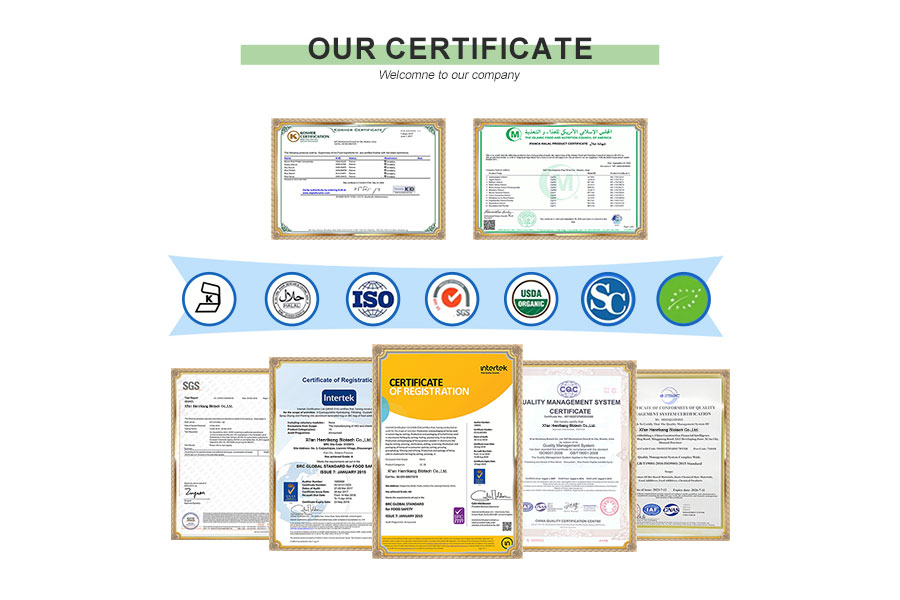
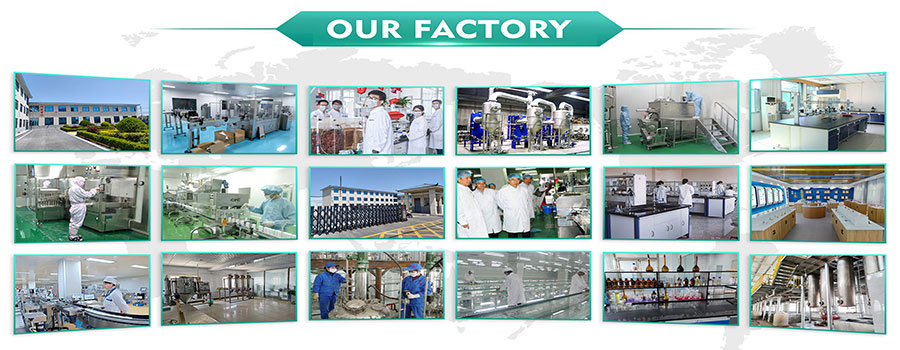
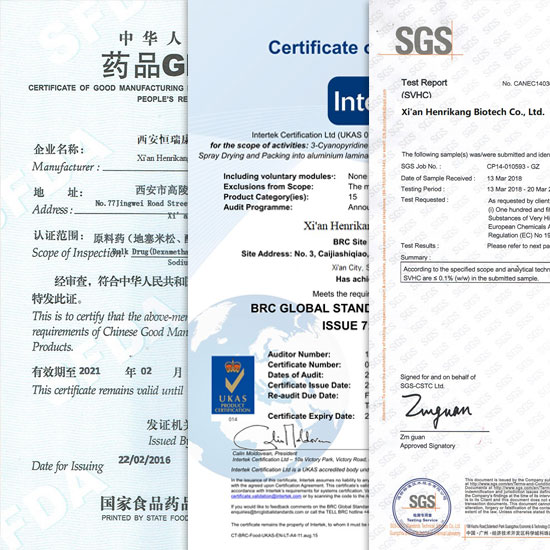
As a leading Chinese OEM manufacturer for nutritional supplement ingredients and branded products, we hold certifications including ISO 22000, ISO 9001, HACCP, GMP, Halal, CE, CE-ROHS, Kosher, SGS, Intertek, Eurofins, and GMP. Our facility has successfully undergone US FDA inspection and registration.
Порошок с глюконатом цинка (50 мг), для здоровья кожи
Poudre de Gluconate de Zinc (50 mg) - Complément Alimentaire pour la Peau
Zinkgluconat-Pulver (50 mg) - Nahrungsergänzungsmittel für die Haut
Polvo de Gluconato de Zinc (50 mg) - Suplemento para la Piel
Pó de Gluconato de Zinco (50 mg) - Suplemento para a Pele
Inquire This Product