
Pharmaceutical
Human APIs Powder
- Respiratory Drugs Raw Material
- Antiviral Antibacterial
- Antipyretic Analgesics
- Antihistamine Drugs
- Antineoplastic
- Cosmetic Raw Material
OEM & ODM
- Capsule
- Softgel Capsule
- Gummies
- Drop & drinks
- Tablets
- Effervescent Tablet
- Gel
- Powder
- Chewing Gum
- Pet Supplement
Veterinary raw materials
Phone: 86-18419147460
E-mail: sales03@nutritionoem.com
Add: Fengcheng 2nd Road, Weiyang District, Xi'an, Shaanxi, China
Manufacturer Vitamin E tocopheryl acetate powder CAS 58-95-7



Product Overview:
Vitamin E acetate is a stable esterified form of natural vitamin E, formed by the combination of acetic acid and natural tocopherol. Its powder form makes it easier to store and mix, and it is widely used in various formulations.
Compared to regular vitamin E oil, the acetate form has higher oxidative stability and is less susceptible to degradation by light, heat, and air, making it ideal for products requiring a longer shelf life. In the body, it is metabolized into the active form of vitamin E, providing long-lasting antioxidant protection.
Product Attributes
CAS: 7695-91-2
MF: C31H52O3
MW:472.74
EINECS: 231-710-0
Specification: 99% min Vitamin E Acetate powder
Sample: Vitamin E Acetate Powder Avaliable
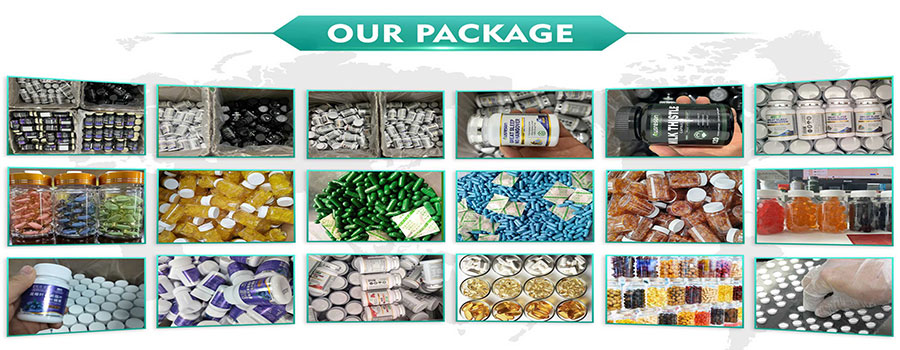
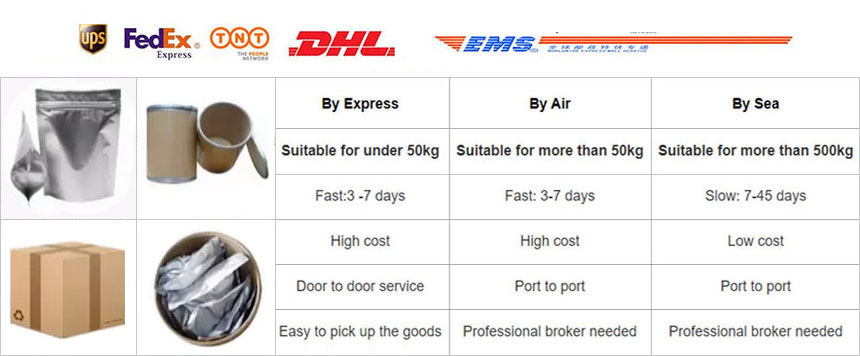
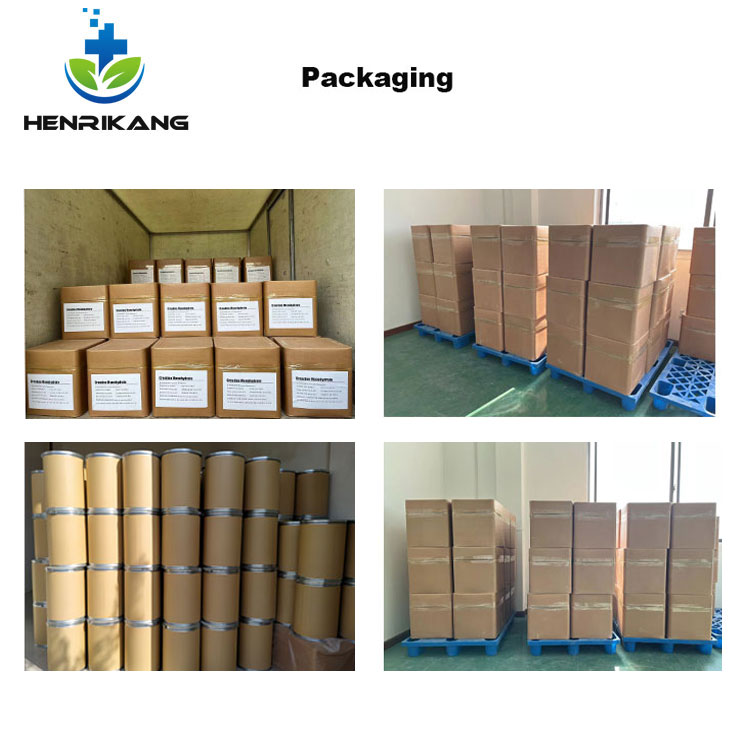
Packaging: 1kg/bag, 25kg/drum
Brand: Ausreson
MOQ:1 KG
Appearance: Light Yellow powder
Storage: Cool Dry Place
Shelf Life: 2 Years
Test Method: HPLC
Product Details
Last updated: March 2026
What is Vitamin E Acetate?
Vitamin E Acetate (CAS 7695-91-2) is a synthetic form of Vitamin E. By esterifying the tocopherol with acetic acid, we create a compound that is:
-
Oxidation-Resistant: It does not degrade when exposed to air during the manufacturing process.
-
Long Shelf Life: Essential for bulk storage and international shipping to UK and EU distributors.
-
In-Vivo Activation: Once ingested or absorbed, the body naturally converts it back into active Alpha-Tocopherol.
Formulating with CWD (Cold Water Dispersible) Powder
For manufacturers of functional beverages or rapid-release capsules, our Vitamin E Acetate 50% CWD Powder offers:
-
Instant Dispersion: No clumping in cold liquids.
-
Excellent Flowability: Perfect for high-speed tableting and capsule filling.
Key Benefits of Vitamin E Acetate Powder:
1. Powerful Antioxidant Protection: Vitamin E acetate neutralizes free radicals, reducing oxidative stress damage to human cells. This is especially important for people living in highly polluted environments or facing chronic stress. Studies have shown that vitamin E supplementation helps protect cell membranes and maintain cell integrity.
2. Skin Health and Beauty Support: The demand for vitamin E acetate in the European and American skincare markets has increased significantly, mainly because it:
- provides stable antioxidant protection against skin aging caused by environmental factors
- supports skin barrier function and reduces moisture loss
- often used in conjunction with vitamin C to enhance protection against photodamage
- suitable for sensitive skin with a very low irritation rate
3. Immune System Regulation: Vitamin E plays a key role in regulating immune responses, especially in the elderly. Adequate supplementation helps maintain immune cell function and supports the body's natural defense against infection.
4. Cardiovascular Health Support: Some studies indicate that vitamin E may help prevent the oxidation of low-density lipoprotein (LDL) cholesterol, a key step in the process of atherosclerosis.
Applications and Recommended Dosage
Health Supplement Applications
Vitamin E acetate powder can be easily mixed into:
- Capsule and tablet formulations
- Protein powder and meal replacements
- Customized nutritional supplement blends
Recommended Daily Intake for Adults: 15 mg (approximately 22.4 IU) daily is sufficient for most adults to meet their basic needs, but higher doses may be required for specific health goals (consult a medical professional).
Skincare Formulations
DIY skincare enthusiasts and professional formulators use it for:
- Creams and lotions (recommended concentration 0.5%-5%)
- Sunscreen products for enhanced antioxidant protection
- Anti-aging serums and repair creams
Food Fortification
As a food additive (E307), vitamin E acetate can be used in:
- Plant-based dairy alternatives
- Breakfast cereals and nutrition bars
- Stabilizers for cooking oils and spreads
Safety, Transparency, and E-E-A-T Compliance
We understand the regulatory scrutiny surrounding Vitamin E Acetate. Our product is manufactured strictly for Oral Ingestion (Supplements/Food) and Topical Application (Cosmetics).
-
USP/EP Grade: Guaranteed purity levels that meet the United States and European Pharmacopeia standards.
-
Non-GMO & Gluten-Free: Meeting the "Free-from" demands of modern Western consumers.
-
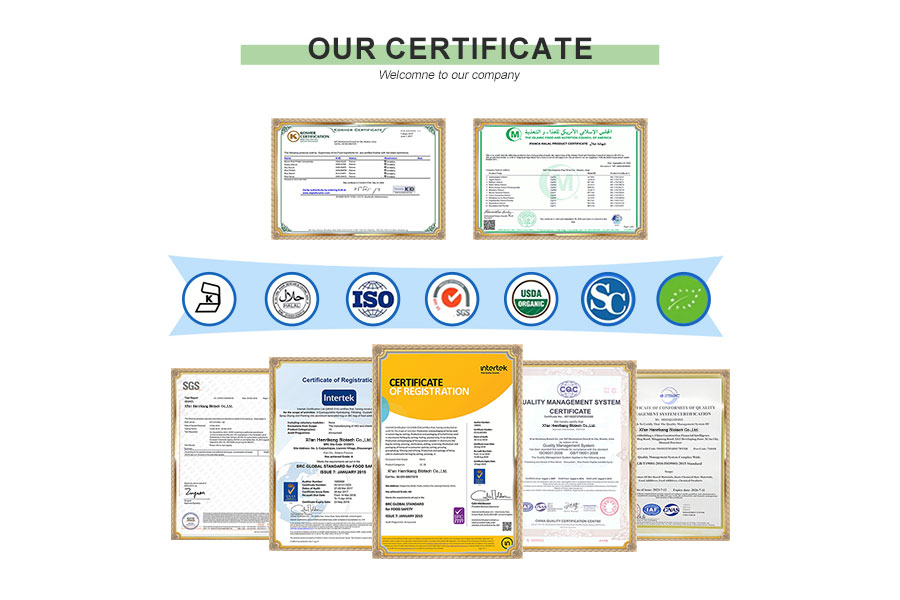
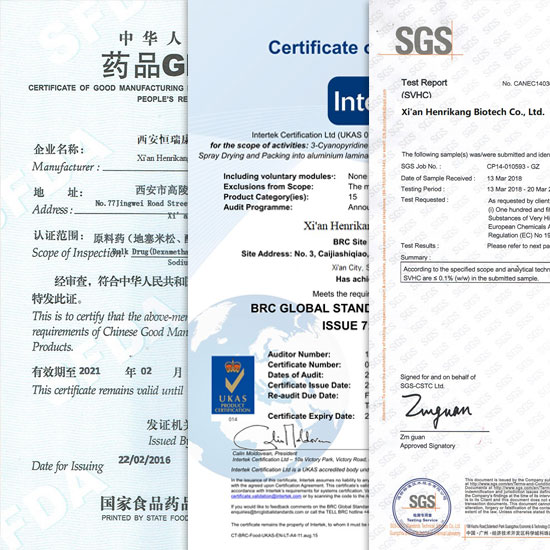
Strict Manufacturing Protocols: Produced in a GMP-certified facility with full batch traceability.
-
Cruelty-Free: Not tested on animals, aligning with EU cosmetic regulations.

FAQ.
While natural Vitamin E has higher biological activity, Vitamin E Acetate is significantly more stable in powder form. For products with a 2-year shelf life, the acetate form ensures the consumer receives the exact dosage listed on the label.
We offer specialized CWD (Cold Water Dispersible) grades. While pure Vitamin E is an oil, our micro-encapsulation technology allows the powder to disperse perfectly in aqueous solutions.
Our most popular specification is 50% CWD, providing a perfect balance between potency and ease of formulation.
Absolutely. It is a standard ingredient in "E-cream" and anti-aging serums, valued for its soothing properties and ability to stabilize other active ingredients like Vitamin C.
Производитель: Порошок витамина Е (токоферила ацетат), CAS 58-95-7
Fabricant : Poudre de vitamine E (acétate de tocophéryle), CAS 58-95-7
Hersteller: Vitamin E (Tocopherylacetat) Pulver, CAS 58-95-7
Fabricante: Polvo de vitamina E (acetato de tocoferilo), CAS 58-95-7
Fabricante: Pó de vitamina E (acetato de tocoferila), CAS 58-95-7
Inquire This Product