

Related Attributes
Product details
1) Increase the body's absorption of calcium and phosphorus to saturate plasma calcium and plasma phosphorus levels;
2) Promoting growth and calcification of bones and sound teeth;
3) Increase phosphorus absorption through the intestinal wall and increase phosphorus reabsorption through the renal tubules;
4) maintain normal levels of citrate in the blood;
5) prevent loss of amino acids through the kidneys
Uses and Applications
Cholecalciferol is primarily used as a dietary supplement to correct vitamin D deficiency. However, its applications extend far beyond this, playing a vital role in many clinical settings.
For example, in postmenopausal women, vitamin D supplementation helps prevent bone loss or treat osteoporosis; in the elderly, it helps prevent falls and fractures.
In certain specific clinical situations, the use of vitamin D requires special consideration. For instance, patients with chronic kidney disease (especially those in stage 3 and beyond) may need to supplement with the active form of vitamin D.
If a patient also has significant hyperparathyroidism, clinicians will usually recommend calcitriol or vitamin D analogs instead of cholecalciferol.
Efficacy and Mechanism of Action
Cholecalciferol performs multiple biological functions in the human body. Through a series of transformations, it ultimately forms its active metabolite—calcitriol—which plays a crucial role in the body.
It promotes the absorption of calcium and phosphorus in the intestines, ensuring these minerals enter the bloodstream and provide the essential building blocks for bone health.
Simultaneously, calcitriol activates osteoclasts, promoting bone remodeling. This dynamic balance is vital for maintaining bone strength and integrity.
Vitamin D deficiency significantly increases the risk of cardiovascular disease, type 2 diabetes, cancer, depression, and cognitive impairment.
Mild deficiency may only manifest as fatigue, joint pain, and depression; while severe deficiency can lead to osteomalacia in adults and rickets in children.

Product method of Bulk Cholecalciferol Powder.
Vitamin D3 occurs naturally in liver, milk and egg yolks, and is produced industrially by extracting 7-dehydrocholesterol, which cannot be absorbed by the body, from vegetable oils or yeast, and solving it in chloroform or cyclohexane, and then converting it to vitamin D3 in quartz glass flasks using ultraviolet light.
Detailed Dosage and Administration Guidelines
According to the Global Organization for Improving Kidney Disease Outcomes guidelines, vitamin D deficiency is generally defined as a serum 25(OH)D level below 20 ng/mL, while vitamin D insufficiency is defined as a serum level between 21 and 29 ng/mL.
Ideally, vitamin D levels should be maintained above 30 ng/mL.
For healthy adults with vitamin D insufficiency (serum 25(OH)D levels between 20 and 30 ng/mL), a daily supplement of 1000-2000 IU of cholecalciferol is recommended.
Supplementation regimens for those with vitamin D deficiency are more detailed: those with serum levels between 12 and 20 ng/mL should supplement with 2000 IU daily; those with serum levels below 12 ng/mL but without symptoms should supplement with 4000-5000 IU daily.
Of particular note, the American College of Obstetricians and Gynecologists and the Institute of Medicine recommend that pregnant women supplement with 600 IU of vitamin D daily to meet the needs of both the fetus and the mother.
For women who are vitamin D deficient during pregnancy, a daily supplement of 1000-2000 IU is recommended.
Производитель порошка холекальциферола (витамин D3), стандарты USP/EP.
Fabricant de poudre de cholécalciférol (vitamine D3) USP/EP
Hersteller von Cholecalciferol (Vitamin D3) Pulver nach USP/EP
Fabricante de polvo de colecalciferol (vitamina D3) USP/EP
Fabricante de pó de colecalciferol (vitamina D3) USP/EP
WHY CHOOES US?

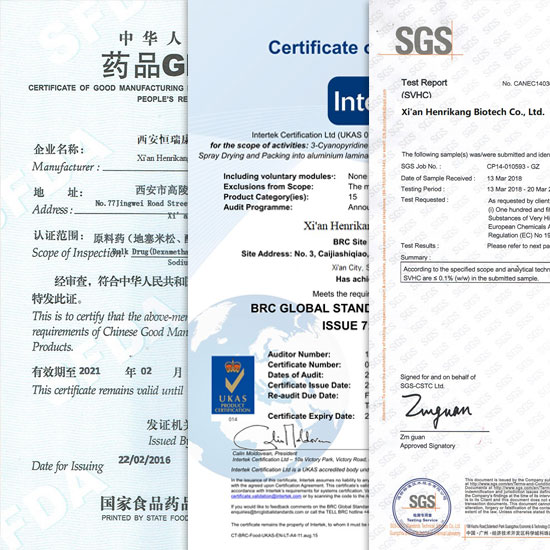
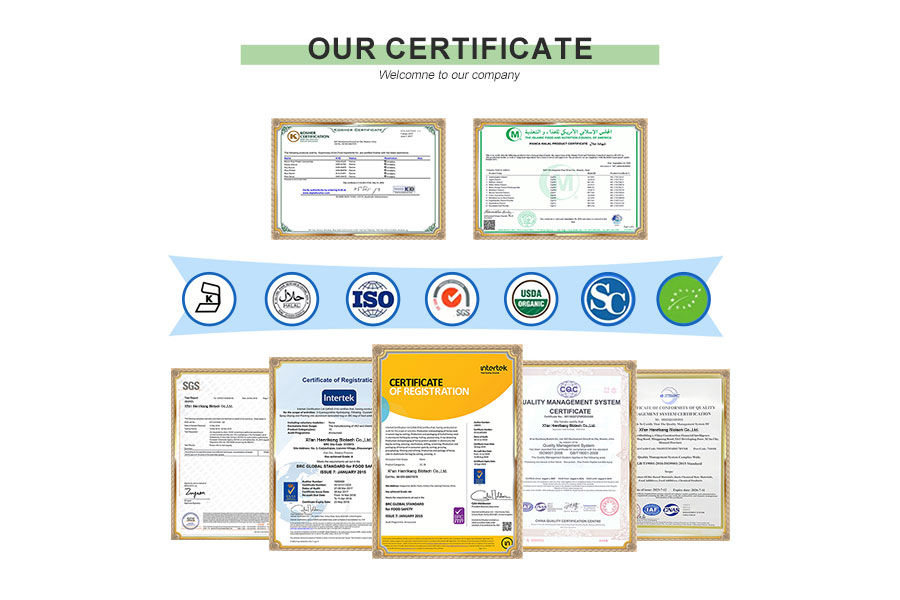
OUR CERTIFICATE
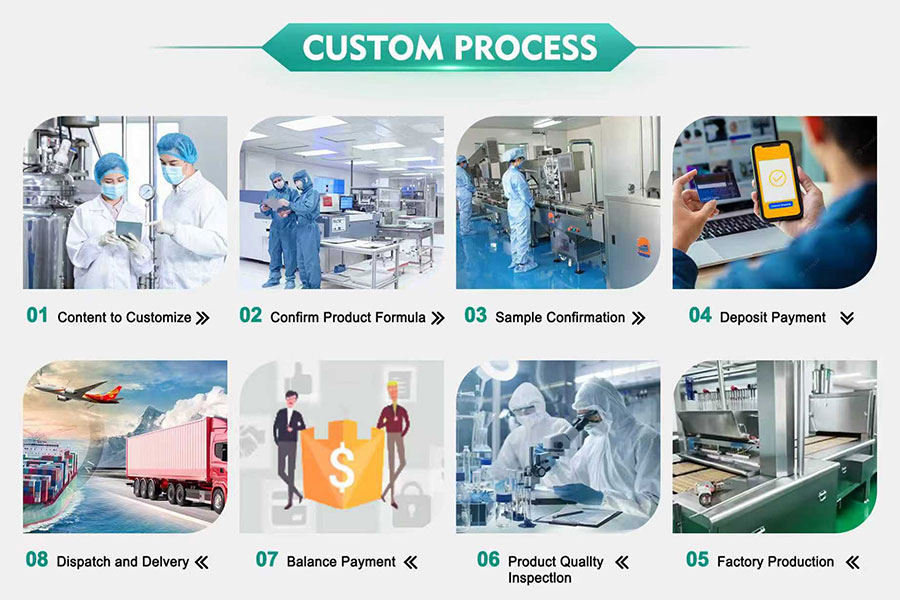
CUSTOM PROCESS
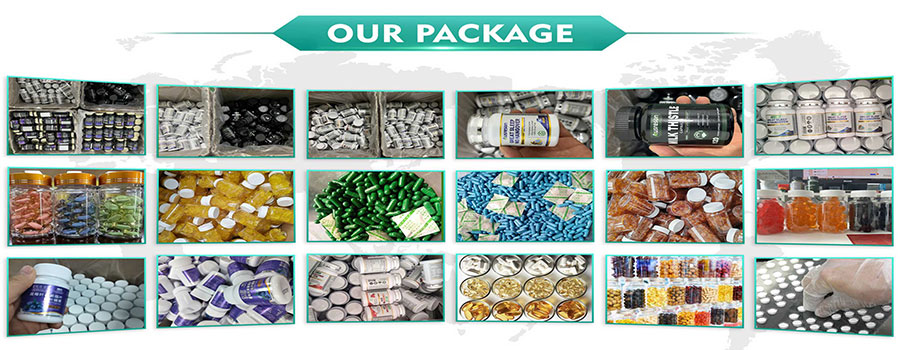
OUR PACKAGE
OUR EXHIBITION

OUR FACTORY

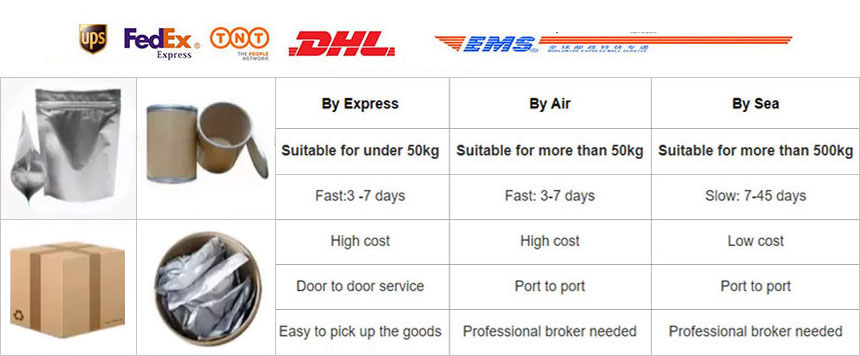
Shipping
Pharmaceutical Intermediate manufacturers
©2022 Xi'an Henrikang Biotech Co., Ltd.,
 Home
Home E-mail
 Booking