

Related Attributes
Product details
What is magnesium chloride powder?
Magnesium chloride powder (chemical formula: MgCl₂) is a white to off-white crystalline compound known for its high solubility, bioavailability, and versatility. It is typically extracted from seawater, salt lakes, or minerals and processed into powder forms of varying purities.
Food grade applications
Magnesium chloride can be used as a coagulant for tofu, which is characterised by the tenderness and elasticity of the tofu made, and the strong soybean flavour. Protein coagulant for dried bean curd and oil tofu, the dried bean curd and oil tofu made are not easy to break. Fermentation aid for sake. Water remover (used in fish cakes, dosage 0.05% to 0.1%) Tissue improver (used in combination with polyphosphates as an elasticity enhancer for surimi and minced shrimp products), commonly used in quantities less than 0.1% due to its strong bitter taste; mineral fortifier, used in health foods and health drinks.
Magnesium chloride is also a component of infant formula. In addition in the salt, mineral water, bread, aquatic preservation, fruits and vegetables and other industries in the production and processing process have been widely used. In food processing, it can also be used as a curing agent, bulking agent, protein coagulant, water remover, leavening agent, tissue improver and so on.
It is also used as nutritional fortifier; flavouring agent (combined with magnesium sulphate, table salt, calcium hydrogen phosphate, calcium sulphate, etc.); wheat flour treatment agent; dough quality improvement agent; oxidizing agent; fish canning quality modifier; malt saccharification treatment agent.
Uses of Magnesium Chloride.
Used in the production of magnesium metal, disinfectant, fire extinguishing agent, frozen brine, ceramics, and used to fill the fabric, paper, etc.; curing agent; nutritional enhancer; flavouring agent (combined with magnesium sulphate, salt, calcium hydrogen phosphate, calcium sulphate, etc.); Japanese sake and other aids to leavening; water remover (used in fish cakes, the dosage of 0.05% to 0.1%); tissue improver (used in conjunction with polyphosphates as an elasticity enhancer for minced fish products). (combined with polyphosphates, as the elasticity enhancer of surimi products). Because of the strong bitter taste, the commonly used amount is less than 0.1%.
Application Areas and Industry Demands
Anhydrous magnesium chloride boasts high chemical stability and low impurity content, enabling it to meet stringent purity standards in industries such as food and pharmaceuticals. Its applications span four key sectors:

Product Method of Bulk Magnesium Chloride Powder.
It is obtained from brine, a by-product of salt production from seawater, by concentrating it into carnallite (KCl.MgCI?6H2O) solution, cooling it to remove potassium chloride, and then concentrating, filtering, cooling and crystallising it. Magnesium oxide or magnesium carbonate is obtained by dissolving and replacing with hydrochloric acid. Anhydrous magnesium chloride is obtained by heating and deamination of magnesium ammonium chloride.
Frequently Asked Questions
Q1: How does magnesium chloride powder differ from other magnesium supplements?
A: Magnesium chloride generally has higher bioavailability than magnesium oxide (the most common and inexpensive form), but lower than magnesium citrate or magnesium glycine. Its advantages lie in its cost-effectiveness and versatility, as it can be used for both oral and topical applications.
Q2: How to determine the quality of magnesium chloride powder?
A: High-quality magnesium chloride powder should be white or off-white, free-flowing, and odorless. Key quality indicators include: USP/FCC certification, heavy metal testing report (lead <2ppm, arsenic <1ppm), low moisture content, and consistent particle size distribution.
Q3: What are the main applications of magnesium chloride powder?
A: Main applications include: dietary magnesium supplements, tofu coagulant, bath salts and magnesium oil formulations, industrial de-icing agents, dust control agents, feed additives, and certain medical uses (such as intravenous electrolyte infusions).
Q4: What is the recommended daily dose of magnesium chloride?
A: As a supplement, the typical dosage is the amount of magnesium chloride that provides 200-400 mg of elemental magnesium (equivalent to 1.7-3.3 g of magnesium chloride hexahydrate). The specific dosage should be determined based on individual needs, dietary intake, and advice from a healthcare professional.
Q5: How should magnesium chloride powder be stored?
A: It must be stored in a sealed, moisture-proof container in a cool, dry place. Due to its strong hygroscopic nature, exposure to humid air will cause it to clump or even liquefy rapidly. After opening, it is recommended to transfer it to a completely sealed container.
Fabricantes de Cloruro de Magnesio Grado Alimenticio en Polvo a la Venta
Fabricants de Chlorure de Magnésium Qualité Alimentaire en Poudre à Vendre
Fabricantes de Cloreto de Magnésio Grau Alimentício em Pó à Venda
Производители пищевого хлорида магния в порошке для продажи
Hersteller von Lebensmittelqualität Magnesiumchlorid-Pulver zum Verkauf
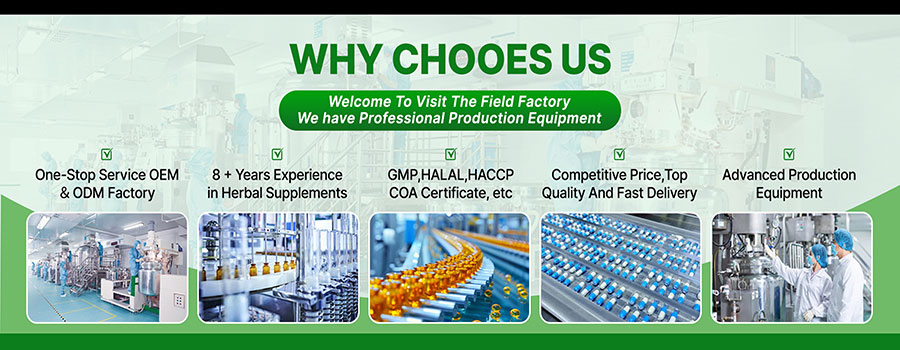
WHY CHOOES US?
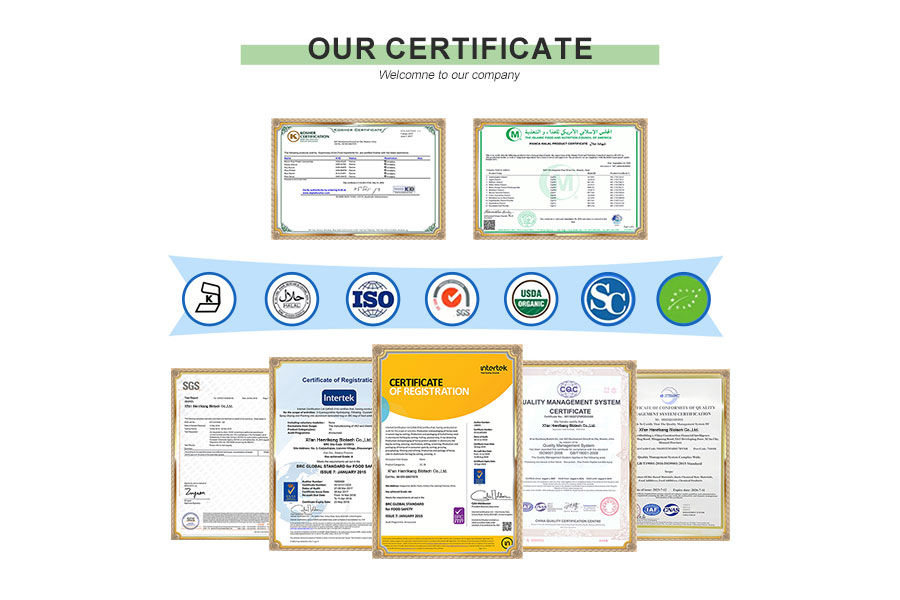
OUR CERTIFICATE
CUSTOM PROCESS

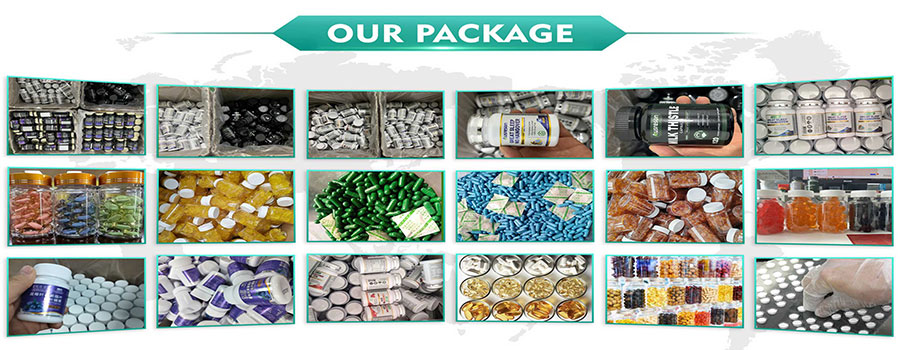
OUR PACKAGE
OUR EXHIBITION

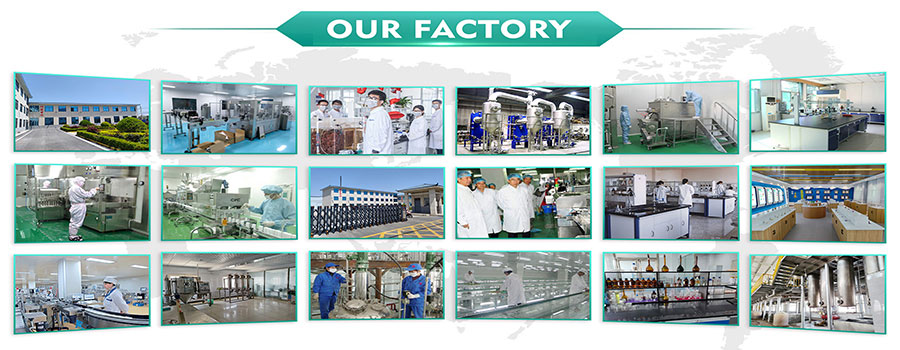
OUR FACTORY
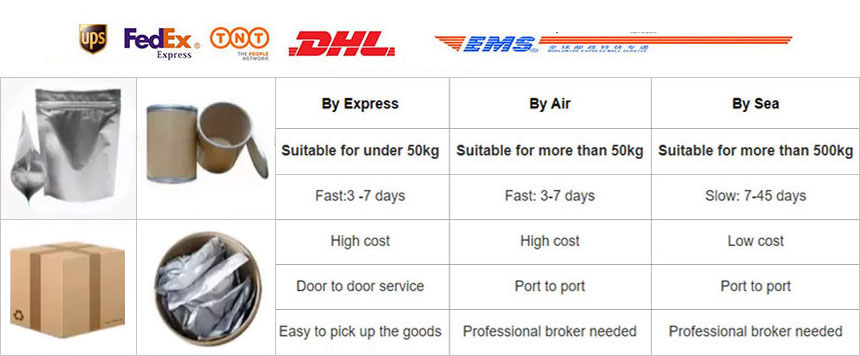
Shipping
Pharmaceutical Intermediate manufacturers
©2022 Xi'an Henrikang Biotech Co., Ltd.,
 Home
Home E-mail
 Booking