

Related Attributes
Product details
What is L-Rhamnose Monohydrate?
L-Rhamnose is a naturally occurring deoxy sugar found in certain fruits and plants (e.g., citrus peels, apples, aloe vera). "Monohydrate" refers to its stable crystalline form, commonly used in supplements.
Critically, the human body cannot effectively metabolize L-Rhamnose. It passes largely undigested into the colon and urinary tract, where it acts as a clever "operative" specifically targeting harmful bacteria.
How Does It Work?
L-Rhamnose's core function is a precise mechanism of molecular mimicry, particularly against E. coli—the cause of most UTIs.
Recognition & Attachment: Harmful bacteria (like E. coli) have proteins on their surface called lectins, which act like "hooks" designed to recognize and latch onto specific sugar molecules (e.g., alpha-mannosides) on the urinary and intestinal walls. This allows them to colonize, form biofilms, and cause infection.
Deploying the Decoy: The molecular structure of L-Rhamnose is very similar to these host cell receptors. When you take an L-Rhamnose supplement, it floods the urinary tract and gut.
Deception & Clearance: The bacterial lectin "hooks" mistakenly grab onto the L-Rhamnose "decoys" instead of your tissue cells. Once bound, these "fooled" bacteria cannot attach and are simply flushed out with urine or stool.
L-Rhamnose vs. D-Mannose: Which One Should I Choose?
| Feature | L-Rhamnose | D-Mannose |
|---|---|---|
| Target Bacteria | Broader spectrum, effective against a wider range of pathogenic E. coli strains (including some D-Mannose insensitive ones) and other bacteria. | Primarily targets E. coli expressing Type 1 pili (a common, but not exclusive, cause of UTIs). |
| Scope of Action | Urinary + Gastrointestinal Tracts. Has direct benefits for gut health due to its prebiotic properties. | Primarily focused on the Urinary Tract. |
| Prebiotic Effect | Strong. Clinically shown to significantly promote specific beneficial bacteria (e.g., Akkermansia). | Weak or not a primary function. |
| Mechanism | Molecular mimicry (decoy). | Molecular mimicry (decoy). |
Is Rhamnose safe for skin?
Rhamnose also exhibits skin-soothing benefits and its humectant properties boost skin's hydration.
How is rhamnose made?
Rhamnose can be isolated from buckthorn (Rhamnus), poison sumac, and plants in the genus Uncaria. Rhamnose is also produced by microalgae belonging to class Bacillariophyceae (diatoms). Rhamnose is commonly bound to other sugars in nature. It is a common glycone component of glycosides from many plants.

Preparation of L-rhamnose Monohydrate.
The traditional method of producing rhamnose is to extract it from natural plants, such as extracting quercetin from oak bark, extracting naringin from citrus peel, or extracting vitamin A from Quercus bark. These substances contain rhamnose groups in their molecules, and rhamnose can be obtained by hydrolyzing these substances. Pure rhamnose is then obtained through extraction and other chemical unit process operations.
How to Choose and Take a High-Quality L-Rhamnose Supplement
Frequently Asked Questions
Q1: What is L-rhamnose monohydrate and where does it come from?
A: L-rhamnose monohydrate is a natural monosaccharide commonly found in a variety of plants, including apples, citrus fruits, and some vegetables. Commercially, it is primarily produced through plant extraction or fermentation processes.
Q2: How does L-rhamnose monohydrate powder support digestive health?
A: It acts as a prebiotic, selectively promoting the growth of beneficial gut bacteria and helping to maintain a healthy gut microbiota balance.
Q3: Are there any side effects to L-rhamnose supplements?
A: L-rhamnose is generally considered safe when used at the recommended dosage. A small number of people may experience mild digestive discomfort, especially when starting use.
Q4: How should I choose a high-quality L-rhamnose monohydrate product?
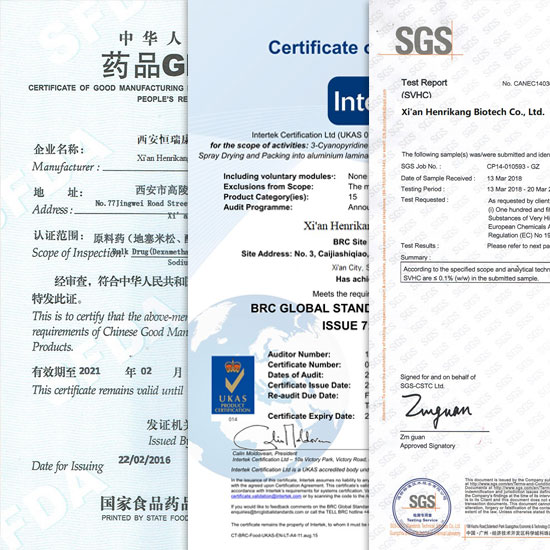
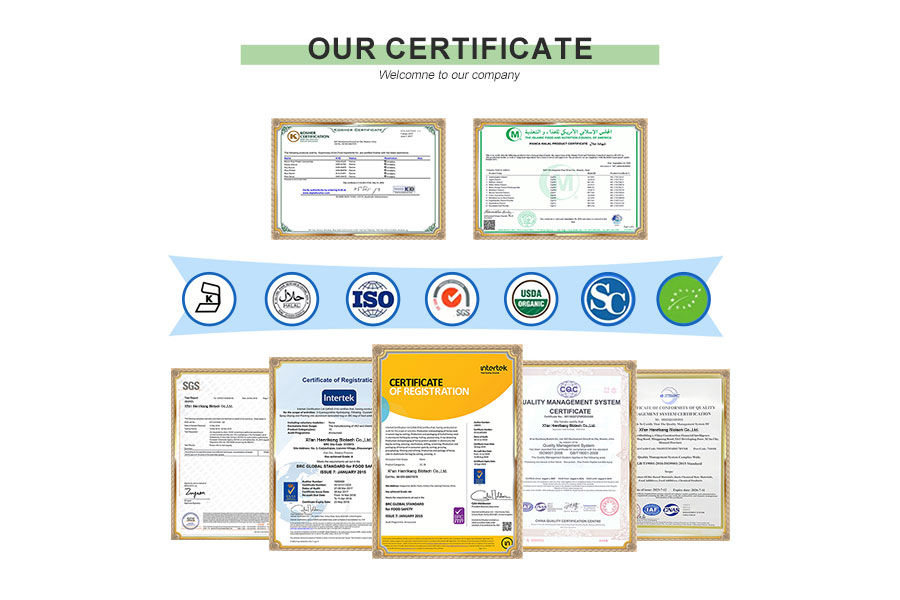
A: Look for brands that provide third-party laboratory testing results, indicate high purity (≥98%), comply with GMP standards, and have transparent sourcing.
Q5: How should L-rhamnose monohydrate powder be stored?
A: Store in a cool, dry place, away from direct sunlight and moisture, ensuring the container is tightly sealed.
Q6: Is this supplement suitable for vegetarians?
A: Most L-rhamnose monohydrate powder products are suitable for vegetarians, but it's best to check the specific product label before purchasing.
Fabricante de Polvo de L-Rhamnosa Monohidrato CAS 208-296-9
Fabricant de Poudre de L-Rhamnose Monohydrate CAS : 208-296-9
Fabricante de Pó de L-Ramnose Monohidratado CAS 208-296-9
Производитель порошка L-рамнозы моногидрата CAS 208-296-9
Hersteller von L-Rhamnose-Monohydrat-Pulver CAS 208-296-9
WHY CHOOES US?

OUR CERTIFICATE
CUSTOM PROCESS

OUR PACKAGE

OUR EXHIBITION

OUR FACTORY

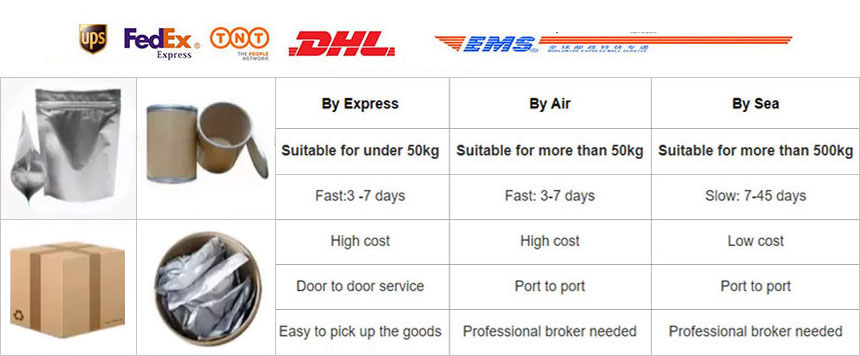
Shipping
Pharmaceutical Intermediate manufacturers
©2022 Xi'an Henrikang Biotech Co., Ltd.,
 Home
Home E-mail
 Booking