


Related Attributes
Product details
Benzethonium (bitters) is currently used as an aversiveagent, denaturant, food deterrent and flavoring agent. Picrasin is listed as an inactive ingredient in the United States Pharmacopoeia USP32NF27 edition.
However, there are no reports of its use as a bitter receptor antagonist or inverse agonist in the preparation of drugs, or in the preparation of drugs for the treatment and/or prevention of obesity, diabetic peripheral neuropathy, and neuropathic pain.
Denatonium benzoate is a synthetic chemical compound recognized as the "bitterest substance known to man." In its anhydrous powder form, it is highly concentrated, allowing manufacturers to achieve effective deterrence at extremely low inclusion levels—often as low as 10 to 50 parts per million (ppm).
Uses of Denatonium Benzoate Anhydrous.
Benzethonium is a bitter compound with appetizing, anthelmintic, thirst-quenching, heat-clearing, detoxifying, aphrodisiac and astringent properties.
Currently, it has no exact use in medicine, but it is widely used in other fields, such as the addition of this bitter salt to industrial alcohol to avoid accidental ingestion and taxation; the addition of trace amounts of benedryl ammonium to hazardous liquids or solvents to avoid accidental ingestion; and the addition of benedryl ammonium to special nail polishes to avoid the undesirable habit of nail biting in children. Benzethonium is the second most bitter compound known.
In addition, lead acetate is an ingredient commonly used in progressive hair dyes, but its safety has been confirmed through rigorous "human testing".
Key Industry Applications
As safety regulations like the EU's CLP (Classification, Labelling and Packaging) regulation and the US Poison Prevention Packaging Act (PPPA) become more stringent, Denatonium Benzoate has become a staple across multiple sectors:
Automotive Fluids: Used extensively in antifreeze, engine coolants, and windshield washer fluids to prevent accidental ingestion by pets and toddlers.
Household Chemicals: An essential additive in detergents, bleach, and cleaning sprays, providing an immediate biological deterrent if a child gains access to the container.
Industrial Solvents & Varnishes: Prevents the misuse or accidental consumption of alcohols, thinners, and chemical coatings.
Personal Care Products: Commonly utilized in nail-biting deterrents and to discourage the consumption of soaps or shampoos.
Frequently Asked Questions
No. While it is intensely bitter, it is not considered toxic in the trace amounts used for commercial deterrence. However, it is an irritant, and ingestion of the raw powder should be avoided.
The anhydrous form is more stable, less prone to moisture absorption, and easier to weigh and incorporate into chemical formulations, ensuring a consistent bittering intensity in the final product.
Denatonium benzoate is generally odorless and colorless in the low concentrations used for commercial products, meaning it will not compromise the aesthetic quality of your detergents or cleaning agents.
Because it is exceptionally potent, manufacturers typically use extremely low levels (often 10–50 ppm). We recommend conducting a pilot test to determine the exact threshold needed for your specific formulation.
Yes, at the low concentrations used in consumer products, it does not pose a significant risk to the environment, aligning with current EU and US environmental safety guidelines.
Денатония бензоат безводный сырой порошок CAS 3734-33-6
Poudre brute de benzoate de dénatonium anhydre CAS 3734-33-6
Denatoniumbenzoat wasserfrei Rohpulver CAS 3734-33-6
Benzoato de denatonio anhidro en polvo crudo CAS 3734-33-6
Benzoato de denatônio anidro em pó bruto CAS 3734-33-6
WHY CHOOES US?

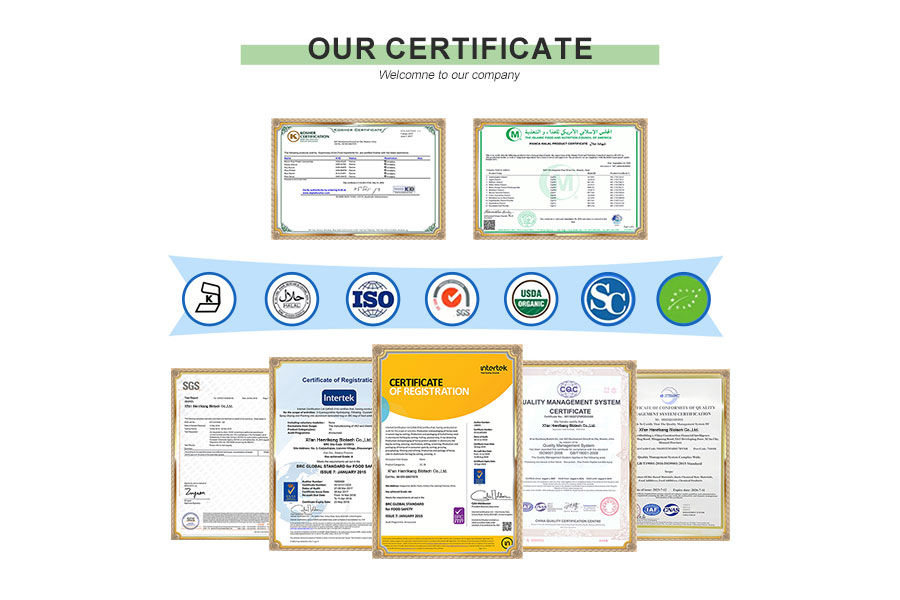
OUR CERTIFICATE
CUSTOM PROCESS

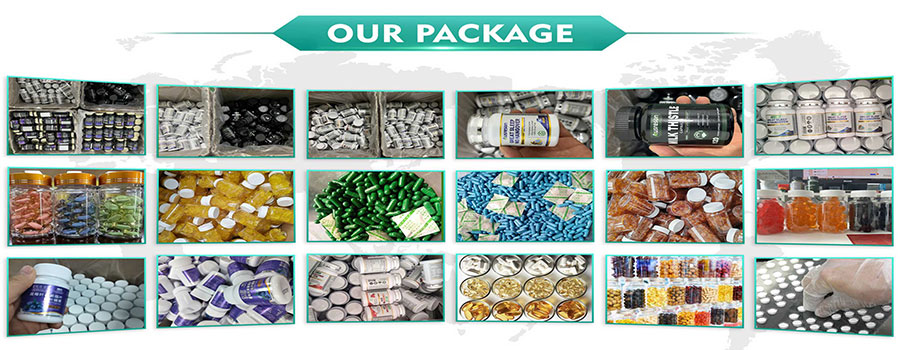
OUR PACKAGE
OUR EXHIBITION

OUR FACTORY

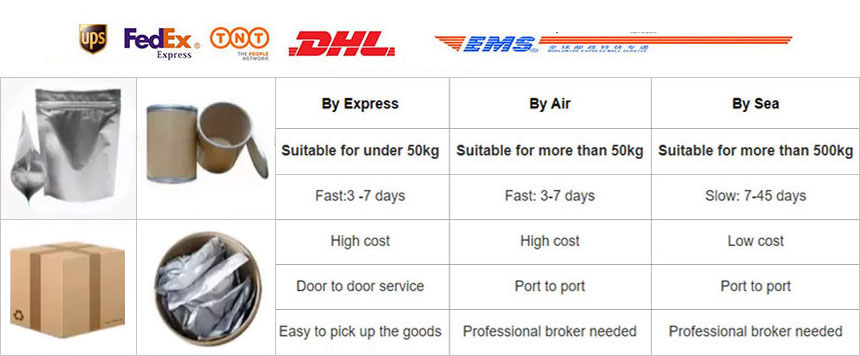
Shipping
Pharmaceutical Intermediate manufacturers
©2022 Xi'an Henrikang Biotech Co., Ltd.,
 Home
Home E-mail
 Booking