


Related Attributes
Product details
Potassium gluconate is a commonly used gluconate with several applications. In microbiology, potassium gluconate is commonly used in gluconate micro liquid medium for the identification of certain bacteria. In industrial production, potassium gluconate is widely used in food, cosmetics, detergents and other fields, with moisturizing, antioxidant and antiseptic effects. In addition, potassium gluconate is also used in fluff making solution to improve the surface quality of monocrystalline silicon wafers.
Core Attributes and Functions
Chemical Properties: Potassium gluconate is an organic potassium salt, readily soluble in water, and stable
Core Functions: Supplements the potassium required by the human body or animals, maintaining normal neuromuscular function and regulating fluid balance. Potassium is a major intracellular cation, crucial for maintaining the intracellular and extracellular potential difference and neuromuscular excitability.
Key Advantages: Compared to inorganic potassium salts (such as potassium chloride), it has a better taste, significantly reduces irritation to the gastrointestinal mucosa, and improves patient compliance and safety.
Uses of Potassium Gluconate.
Potassium gluconate is an additive widely used in the food and pharmaceutical industries for replenishing metal ions by combining with them to form stable gluconates such as calcium gluconate, potassium gluconate and zinc gluconate.
In addition, potassium gluconate has certain applications in medicine, such as calcium gluconate injection can increase the densification of capillaries and reduce their permeability, which has the effect of reducing swelling and relieving allergies, and is widely used in acute and chronic urticaria, drug-induced rashes, itchy skin and other allergic skin diseases.
However, adverse reactions may occur when potassium gluconate is used in combination with certain drugs, e.g. when calcium gluconate injection is used in combination with vitamin C injection and 5% dextrose injection, it may lead to localized severe pain, localized hard nodules, localized redness and swelling, etc.
 hit
hit
Market Application Areas
Pharmaceuticals and Health Products
Therapeutic and Preventive Use: Used to prevent and correct potassium deficiency (hypokalemia).
Dosage Forms: Common dosage forms include oral liquids and tablets.
Food Industry
Nutritional Fortifiers: Added as mineral fortifiers to sports drinks and functional foods.
Stabilizers and Preservatives: Used in food processing to improve stability and shelf life.
Market Trends: Applications in this area continue to expand with the growing global demand for safe and functional foods.
Feed Additives
Animal Nutrition: Supplementing potassium in livestock and poultry feed to promote healthy growth and maintain physiological functions.
Other Industrial Uses
Also used in detergents, corrosion inhibitors, and other industrial applications.
Product Method of Potassium Gluconate.
A product limited to enzymatic production. The finished product is obtained by converting glucose to gluconolactone with Aspergillus niger and then reacting it with potassium hydroxide.
Frequently Asked Questions
1. What is the difference between potassium gluconate and potassium chloride?
Both are potassium supplements, but they differ in properties. Potassium chloride is an inorganic salt, which is more irritating to the gastric mucosa and has a bitter taste. Potassium gluconate is an organic salt, which is milder, has fewer gastrointestinal side effects, and is more palatable. It is often used in cases requiring long-term oral potassium supplementation.
2. What are the risks of taking potassium gluconate? What are the main side effects?
The main risk is hyperkalemia due to overdose, manifested as fatigue and arrhythmia, which can be life-threatening in severe cases. Common side effects are mild gastrointestinal reactions such as nausea and abdominal cramps. During medication, especially for those with kidney problems, blood potassium levels should be monitored regularly.
3. Who should not take potassium gluconate or should use it with caution?
Absolute contraindications: Severe renal failure, hyperkalemia, Addison's disease, and those allergic to this product.
Use with caution: Individuals with mild to moderate renal insufficiency, those currently taking potassium-sparing diuretics or ACE inhibitors, the elderly, and those with gastrointestinal diseases. Consult a doctor before use.
4. What are the market prospects for potassium gluconate?
The prospects are optimistic. Demand continues to grow, driven by increased health awareness and the expansion of the functional food and beverage market. Simultaneously, as a relatively mild and safe potassium source, it has stable applications in the pharmaceutical and high-end feed sectors. Companies with high-quality, compliant, and environmentally friendly production capabilities will have a greater competitive advantage.
Оптовый поставщик порошковой добавки глюконата калия
Fournisseur en gros de complément alimentaire en poudre de gluconate de potassium
Großhandelslieferant für Kaliumgluconat-Pulver Nahrungsergänzungsmittel
Proveedor al por mayor de suplemento en polvo de gluconato de potasio
Fornecedor atacadista de suplemento em pó de gluconato de potássio
WHY CHOOES US?

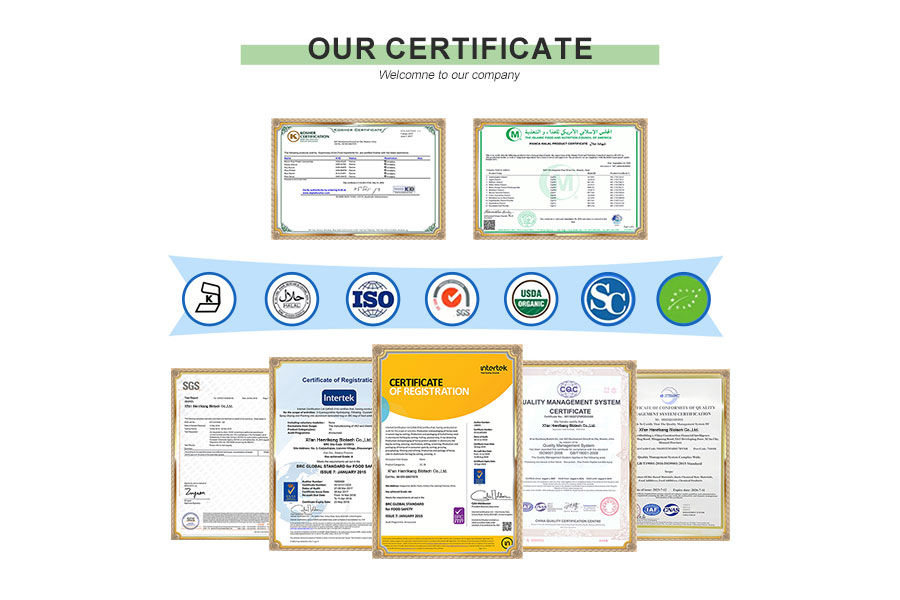
OUR CERTIFICATE
CUSTOM PROCESS

OUR PACKAGE

OUR EXHIBITION

OUR FACTORY

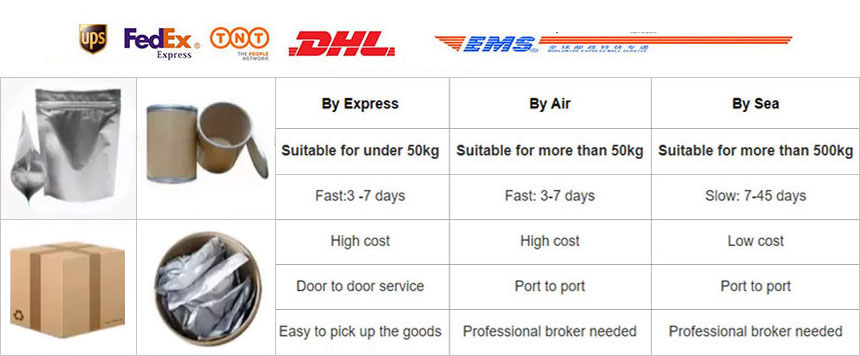
Shipping
Pharmaceutical Intermediate manufacturers
©2022 Xi'an Henrikang Biotech Co., Ltd.,
 Home
Home E-mail
 Booking