


Related Attributes
Product details
Copper Gluconate is a drug used to treat copper deficiency from various causes. It is a light blue powder with the molecular formula Cu (C6H11O7)2 and a molecular weight of 453.84.
Copper gluconate can promote the absorption and utilization of iron, maintain the function of the central nervous system, and have a therapeutic effect on the increased brittleness of blood vessels and bones, the atrophy of brain tissue, and melanin-loss disorders, such as vitiligo and alopecia areata.
In addition, copper gluconate is used as a nutritional supplement in products such as food, cosmetics and feed.
Glycation is the action of glucose linking with primary amines at the ends of proteins, and excess sugar attaches to collagen, leading to wrinkles and roughness in the skin. Therefore, copper gluconate also has a role to play in the anti-glycation process.
Why Bioavailability Matters in Modern Nutrition
In the competitive landscape of the 2026 supplement industry, "bioavailability" is the keyword that separates top-tier brands from the rest. Copper gluconate is preferred for several technical reasons:
High Solubility: It dissolves readily in aqueous solutions, making it an ideal choice for liquid supplements and functional hydration powders.
Gentle on Digestion: Many consumers in the US and Germany report fewer gastrointestinal side effects with gluconates compared to sulfates or oxides.
Stability in Formulation: Whether you are creating a complex multivitamin tablet or a high-end "Beauty-from-Within" skin powder, copper gluconate remains stable, ensuring the labeled dosage is what the customer actually receives.
How to Use Copper Gluconate Powder
Recommended Dosage
For most adults, the recommended daily copper intake by health authorities in the United States and Europe is 900 micrograms. A typical supplemental dose of copper gluconate powder provides 1-2 milligrams of elemental copper (approximately 8-16 milligrams of copper gluconate), which is usually sufficient to meet daily needs and compensate for potential deficiencies.
Direct Use:
The Professional’s Checklist
To rank for high-intent B2B and B2C searches, your content must emphasize professional standards. When sourcing or marketing Copper Gluconate Powder, your content should focus on:
USP/FCC Grade Compliance: Ensure the material meets the United States Pharmacopeia (USP) or Food Chemicals Codex (FCC) specifications. This is the "Gold Standard" for American and European quality assurance.
Certificate of Analysis (COA) Transparency: Reliable suppliers provide a detailed COA covering heavy metal limits (Lead, Arsenic, Mercury, and Cadmium). For the European market, ensure your documentation aligns with EFSA (European Food Safety Authority) guidelines regarding additives.
Clean Label Commitment: Consumers are increasingly checking "Other Ingredients." High-purity copper gluconate allows you to maintain a minimal, clean label that resonates with modern buyers in London, Berlin, and New York.
Copper Gluconate Frequently Asked Questions
Q1: How does copper gluconate differ from other forms of copper (such as copper sulfate and copper citrate)?
A: Copper gluconate is known for its high bioavailability and mildness. Compared to copper sulfate, it causes less gastrointestinal discomfort; compared to copper citrate, it is generally more stable and has better solubility.
Q2: Who may need copper gluconate supplementation?
A: Potential beneficiaries include: those with insufficient copper intake in their diet (common in highly processed diets), those with malabsorption syndrome, those taking zinc supplements long-term (zinc may interfere with copper absorption), and certain elderly individuals. However, it is recommended to consult a healthcare professional before starting any supplementation.
Q3: What does copper gluconate powder taste like? How can I improve it?
A: Pure copper gluconate powder has a slightly metallic taste, but it is not strong. It can be mixed with fruit juice or added to flavorful smoothies. Many European and American brands also offer microencapsulated products to reduce the impact of taste.
Q4: How can I determine if I am copper deficient?
A: Signs of copper deficiency may include fatigue, frequent infections, bone health problems, and anemia. A diagnosis requires a blood test to measure copper and ceruloplasmin levels. If you suspect copper deficiency, consult a healthcare provider for evaluation.
Q5: Can copper gluconate be taken with other supplements?
A: Yes, but be aware of interactions. Copper should not be taken with high doses of zinc (the two should be at least 2 hours apart). Taking it with vitamin C may enhance iron absorption, which also has a positive effect on copper metabolism. Taking it separately from fiber-rich foods optimizes absorption.
Hersteller von Kupfergluconat-Pulver für Nahrungsergänzungsmittel
Fabricant de poudre de gluconate de cuivre pour compléments alimentaires
Fabricante de polvo de gluconato de cobre para suplementos nutricionales
Fabricante de pó de gluconato de cobre para suplementos nutricionais
Производитель порошка глюконата меди для пищевых добавок
WHY CHOOES US?

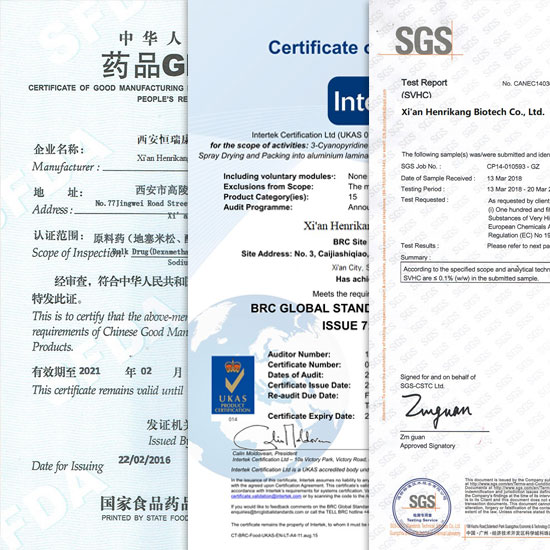
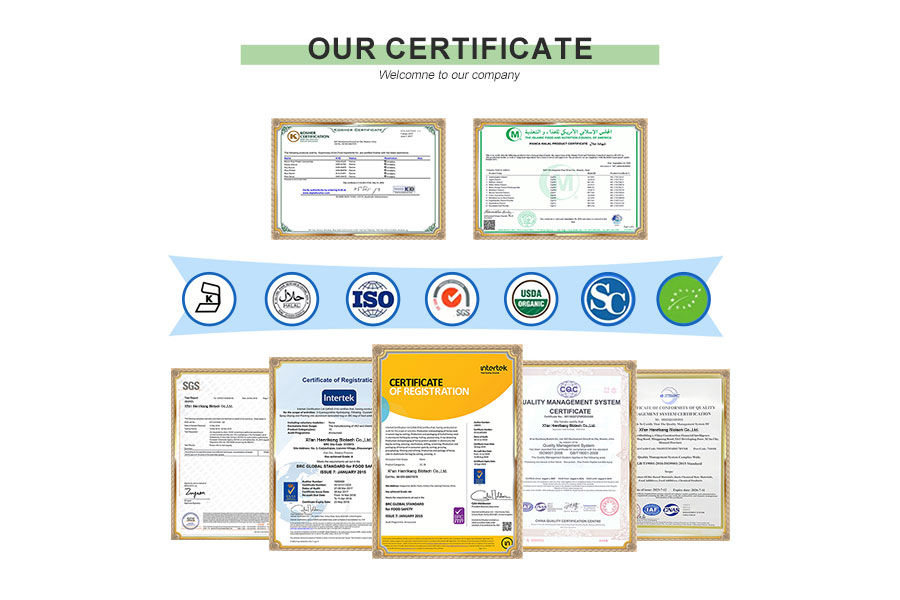
OUR CERTIFICATE
CUSTOM PROCESS

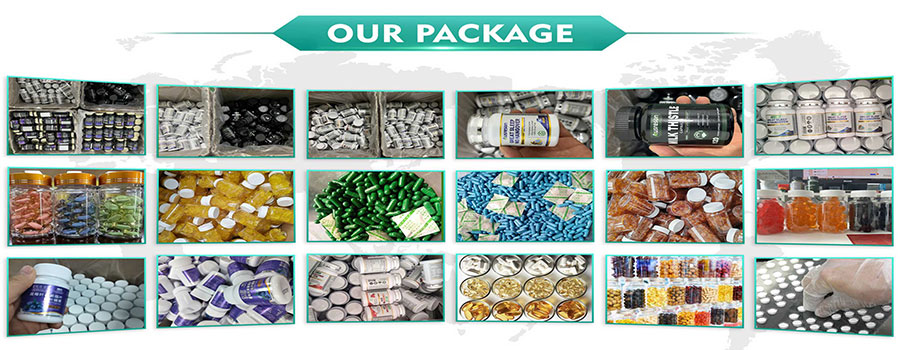
OUR PACKAGE
OUR EXHIBITION

OUR FACTORY

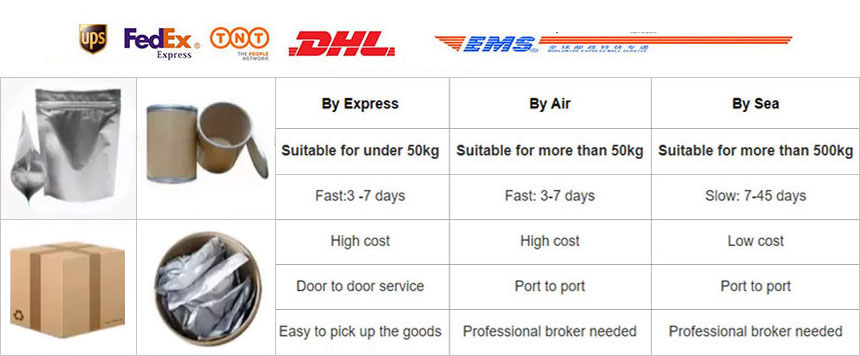
Shipping
Pharmaceutical Intermediate manufacturers
©2022 Xi'an Henrikang Biotech Co., Ltd.,
 Home
Home E-mail
 Booking