

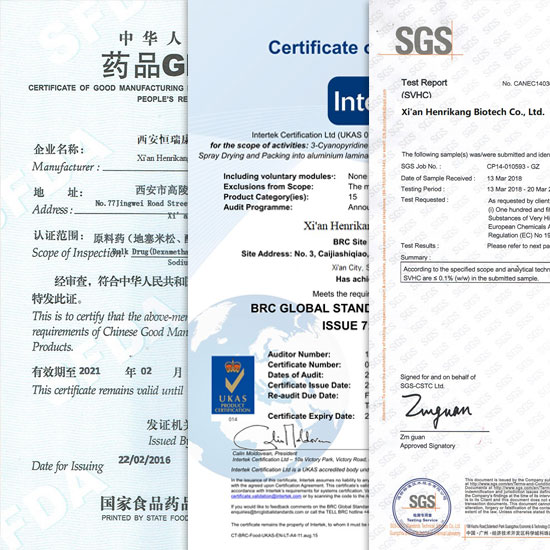
Related Attributes
Product details
Safflower yellow pigments are quinone chalcone compounds, a mixture of water-soluble components, including safflower yellow pigment A (saffloryellowA), safflower yellow pigment B (saffloryellowB), HSYA, AHSYB, etc., to activate blood circulation and remove blood stasis, open up the veins to alleviate pain, and is used for the stable exertional angina pectoris of Class I, II, III caused by stasis of the heart's blood, as seen in the chest, chest pain, chest tightness, heartburn and shortness of breath.
Natural Pigments
Despite the promising market prospects for natural pigments, the following points should be considered in product formulation and commercial promotion:
Natural colorants typically require higher dosages and specialized processing to achieve visual performance comparable to synthetic dyes, especially in applications requiring heat resistance or extended shelf life.
Safflower yellow pigment, as a plant-derived natural pigment, meets clean label requirements, but stability testing and formulation optimization are necessary for specific applications.
Studies have shown that the absorption and bioavailability of HSYA can be affected by various factors; therefore, its actual effects need to be fully considered when applying it to functional foods or health supplements.
While the demand for natural colorants is growing in the North American market, stringent regulatory frameworks and compliance requirements have raised the barriers to market entry.
Uses of Safflower Yellow.
Saffron yellow pigment has the effect of expanding micro arteries, increasing tissue blood perfusion flow and improving microcirculation; at the same time, it can resist platelet aggregation, reduce blood viscosity, anti-coagulation, inhibit thrombosis, and can regulate blood lipids, scavenging harmful oxygen free radicals, and preventing over-oxidation of cells to play the role of antioxidant, which is suitable for coronary heart disease, vascular embolic disease, hypertension, diabetic complications and so on.
Application Areas and Market Opportunities
The North American food coloring market currently exhibits a clear segmentation trend. Baking and confectionery applications dominate the market with a 27.33% share in 2024, while nutritional supplements are the fastest-growing segment with a CAGR of 8.94%.
Safflower yellow pigment has application potential in both of these areas. In baking and confectionery, its natural yellow hue provides a warm, sunny appearance, meeting consumer expectations for clean labels.
For beverage manufacturers, red colorings maintain market leadership with a 28.32% share. Although safflower yellow pigment belongs to the yellow family, it can be blended with other natural pigments to create more color options, especially given the regulatory restrictions on Red No. 3 and Red No. 40.
Powdered colorings have also seen growth opportunities, becoming a market focus with a CAGR of 8.43%. Advances in microencapsulation technology have improved stability and extended shelf life, making safflower yellow pigment powder products more competitive in the market.

Pharmacological Effect of Safflower Yellow.
Safflower yellow pigment is extracted from the traditional Chinese medicine safflower, composed of a mixture of various water-soluble chalcone components, the main pharmacological active ingredient is hydroxy safflower yellow pigment A (HSYA), with the efficacy of activating the blood circulation, removing blood stasis and relieving pain.
Modern pharmacological research shows that saffron yellow pigment has the effect of expanding micro arteries, increasing tissue blood perfusion flow and improving microcirculation; at the same time, it can resist platelet aggregation, reduce blood viscosity, anti-coagulation, inhibit thrombosis, and can regulate blood lipids, remove harmful oxygen free radicals, prevent over-oxidation of the cell to play the role of antioxidant, which can be applied to coronary heart disease, vascular thrombosis disease, hypertension, diabetes mellitus, and other complications. It is suitable for coronary heart disease, vascular embolism, hypertension, diabetes complications, etc.

Product Method of Bulk Safflower Yellow Powder.
By the Asteraceae plant safflower (Carthamustinctorius) dry petals after water extraction of safflower yellow pigment residue, and then extracted with sodium hydroxide or other alkali aqueous solution, add acid precipitation, separation, filtration, drying and obtained. The yield is 0.7% to 0.8% of the dried flowers. It can be added with edible dextrin and so on as carrier.
Frequently Asked Questions about Safflower Yellow Pigment
What are the advantages of safflower yellow pigment compared to synthetic yellow dyes?
Safflower yellow pigment is extracted from the natural plant safflower, aligning with the clean label trend and consumer preference for natural ingredients. With the FDA's plan to phase out petroleum-based synthetic dyes by the end of 2026, the market demand for natural pigments will continue to grow.
How stable is safflower yellow pigment when used in baked goods?
Natural pigments often face stability challenges in high-temperature applications such as baking. While current heat resistance of safflower yellow pigment may require technical optimization, advanced technologies such as microencapsulation are being used to improve the stability of natural pigments under high-temperature processing conditions.
What is the regulatory status of safflower yellow pigment in the North American market?
The FDA regulatory environment is leaning towards natural pigments, and safflower yellow pigment, as a plant extract, is generally considered a natural colorant that meets clean label requirements. However, specific applications still need to comply with relevant food additive regulations.
What are the potential benefits of safflower yellow pigment besides its coloring function?
Studies have shown that safflower yellow pigment, especially its main active ingredient HSYA, has traditional applications in promoting blood circulation, relieving pain, and alleviating menstrual cramps. However, food applications primarily focus on its coloring function, and any health claims must be scientifically based and comply with regulatory requirements.
Производитель натурального желтого красителя «Сафлоровый желтый» в порошке
Fabricant de poudre jaune de carthame, colorant jaune naturel
Hersteller von natürlichem gelbem Farbstoff Saflorgelb-Pulver
Fabricante de polvo amarillo de cártamo, colorante amarillo natural
Fabricante de pó amarelo de cártamo, corante amarelo natural
WHY CHOOES US?

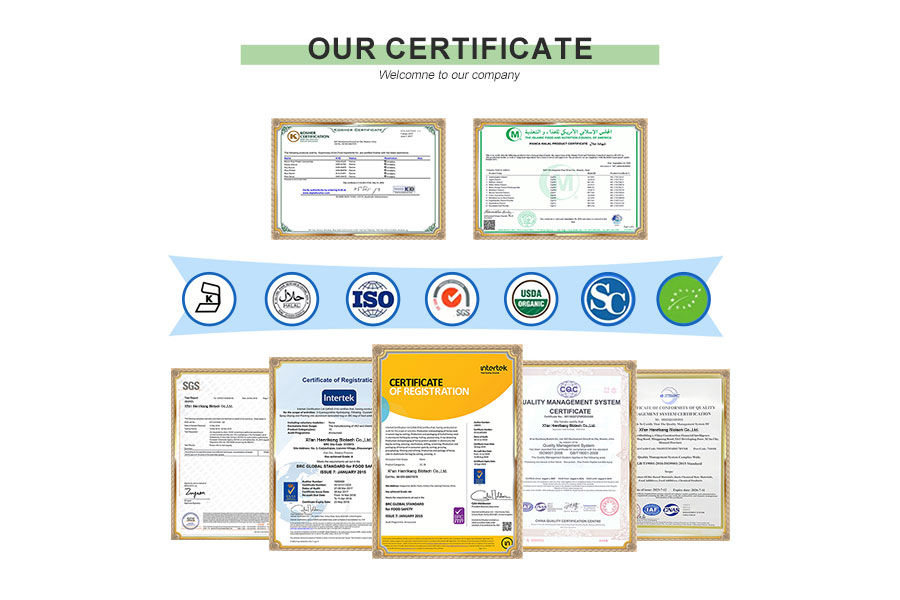
OUR CERTIFICATE
CUSTOM PROCESS

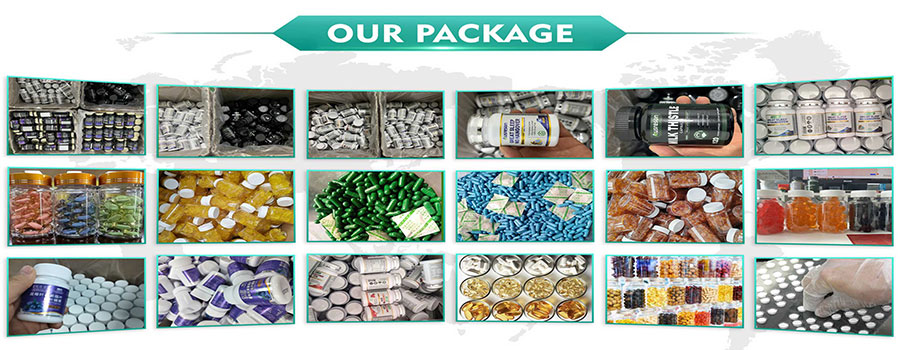
OUR PACKAGE
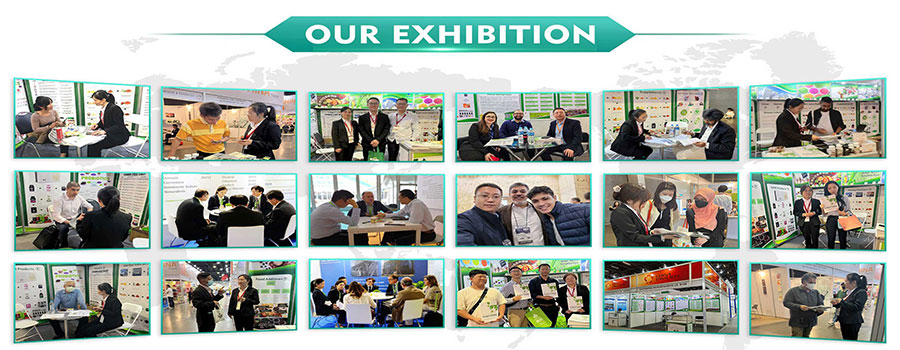
OUR EXHIBITION
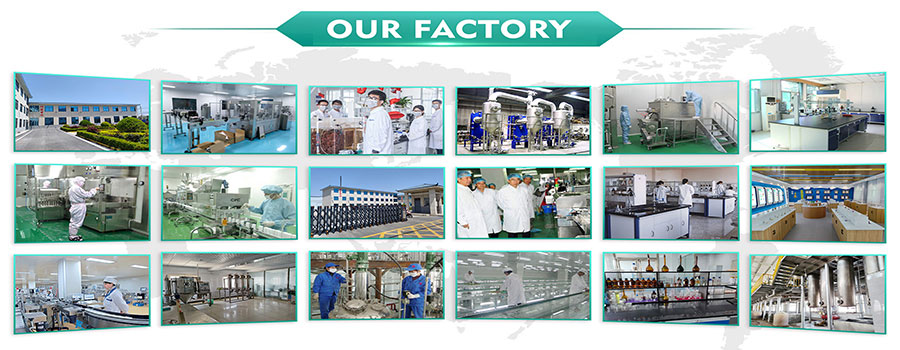
OUR FACTORY
Shipping

Pharmaceutical Intermediate manufacturers
©2022 Xi'an Henrikang Biotech Co., Ltd.,
 Home
Home E-mail
 Booking