


Related Attributes
Product details
Citric acid is widely distributed in nature and is found in the fruits of plants such as lemons, citrus, pineapples, currants, raspberries, and grape juice and in the bones, muscles, and blood of animals.
Synthetic citric acid is produced by fermenting sugar, molasses, starch, grapes and other sugary substances, and can be divided into anhydrous and hydrate.
Pure citric acid is a colourless transparent crystal or white powder, odourless, with an attractive sour taste. The translucent colourless crystals obtained from hot concentrated aqueous solution are anhydrous and have a melting point of 153°C. The acid can be used as an anhydrous substance.
Translucent colourless crystals obtained from cold aqueous solution are monohydrate, density 1.542. softens at 75°C, melts at about 100°C.
Monohydrate can lose water in dry air. It is strong organic acid. Soluble in water, ethanol and ether. Used in the manufacture of drugs, soft drinks, candy, etc., also used as a metal cleaner, mordant and so on.
Key Applications:
Citric Acid Powder isn't just a flavor enhancer; it’s a multifunctional "hero" ingredient:
In the supplement industry, maintaining a specific pH is vital for the stability of active ingredients like Vitamin C or B-vitamins. Citric acid acts as a powerful buffering agent, preventing the degradation of your high-value nutrients.
Scientific research suggests that citric acid can enhance the absorption of certain minerals. For example, Calcium Citrate and Magnesium Citrate are preferred over oxides or carbonates because the citrate form is significantly more bioavailable for the human body.
As European (EFSA) and American (FDA) consumers demand fewer synthetic preservatives (like benzoates), Citric Acid (E330) offers a nature-identical way to inhibit microbial growth and prevent the browning of fruit-based extracts.
Anhydrous vs. Monohydrate
When sourcing Citric Acid Powder for the US or European markets, the first technical decision is choosing between the two primary forms:
Citric Acid Anhydrous: This "water-free" version is the gold standard for Effervescent Tablets and Powders. Because it contains no moisture, it prevents the premature reaction between acids and carbonates, ensuring that your "fizz" stays in the bottle until it hits the glass.
Citric Acid Monohydrate: Containing one water molecule per citric acid molecule, this form is often more cost-effective and is widely used in liquid formulations, jams, and dairy products across Europe.

Prodct Method of Bulk Citric Acid Powder.
Citric acid is mainly produced by fermentation method, and its raw materials can be molasses, sucrose, sweet potato and petroleum hydrocarbons and other carbohydrates.
Generally, it is produced by fermentation of fungi, which can be divided into two categories of surface fermentation and deep fermentation according to the fermentation method. Surface fermentation is the early production method, which uses certain Penicillium or Aspergillus niger as the strain; deep fermentation also uses Aspergillus niger as the strain, which generates small spherical filamentous fungal aggregates in the process of fermentation, and it should be avoided to produce long and thin filamentous fungal bodies, and the conditions of fermentation are pH 1.5-2.8, and at the same time, sterile air and stirring need to be introduced. The fermentation condition is pH 1.5-2.8, meanwhile, the sterile air should be passed in and stirred, after fermentation, the filtrate should be filtered to remove the filamentous fungus body and the residual solid residue, and the filtrate should be neutralised with calcium carbonate to obtain calcium citrate, and then neutralised with concentrated sulphuric acid to obtain the crude citric acid, and then refined, concentrated and crystallised with ion exchange resin to obtain the finished product.
The deep fermentation method is the main method, accounting for about 80 per cent of the production of the fermentation method.
Frequently Asked Questions
1. Is Citric Acid Powder "natural"?
While it occurs naturally in lemons and limes, commercial Citric Acid Powder is produced through the controlled fermentation of sugar sources. It is "nature-identical," meaning the molecule is chemically indistinguishable from that found in fruit.
2. Can it damage tooth enamel?
In high concentrations, citric acid is acidic (low pH). When used in beverages or gummies, it is typically balanced with other ingredients. We recommend rinsing with water after consuming highly acidic supplements to protect tooth enamel.
3. What is the difference between Food Grade and Industrial Grade?
Food Grade Citric Acid Powder undergoes rigorous testing for heavy metals (like Lead and Arsenic) and must be produced in a GMP-certified facility. Industrial grade is intended for cleaning or descaling and does not meet these safety benchmarks.
4. Why is my Citric Acid Powder clumping?
Citric acid is hygroscopic, meaning it absorbs moisture from the air. In humid regions like the Gulf Coast or Southeast Asia, it is essential to store it in a cool, dry place with a moisture-proof liner.
Поставщик оптовых поставок порошка лимонной кислоты моногидрат и цитрата
Fournisseur en gros de poudre de citrate et d'acide citrique monohydraté
Großhandelslieferant für Citrat- und Zitronensäure-Monohydrat-Pulver
Proveedor al por mayor de polvo de citrato y ácido cítrico monohidratado
Fornecedor de pó de citrato e ácido cítrico monohidratado em grandes quantidades
WHY CHOOES US?

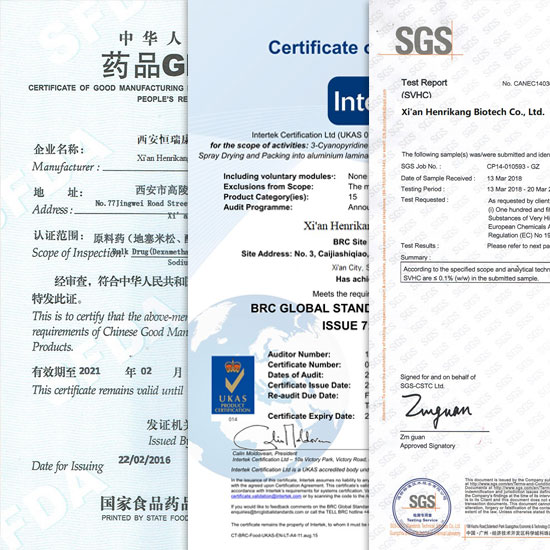
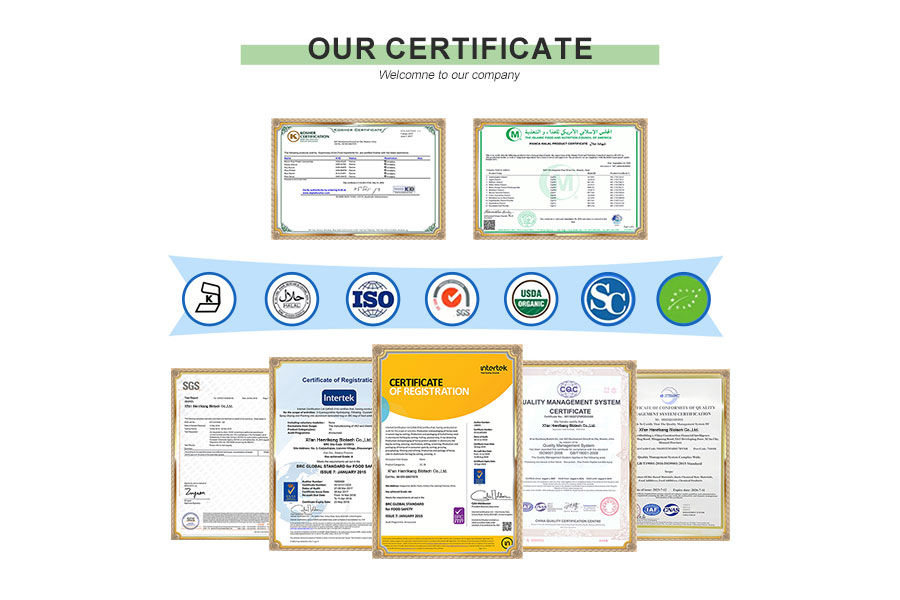
OUR CERTIFICATE
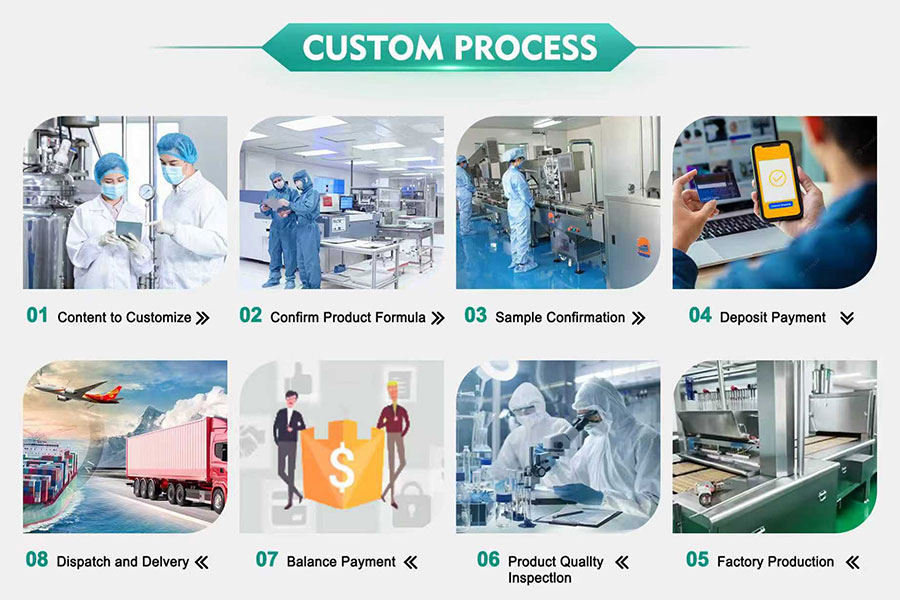
CUSTOM PROCESS
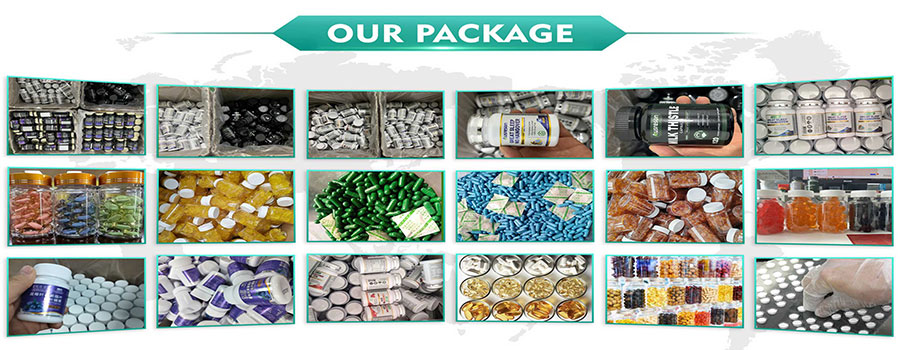
OUR PACKAGE
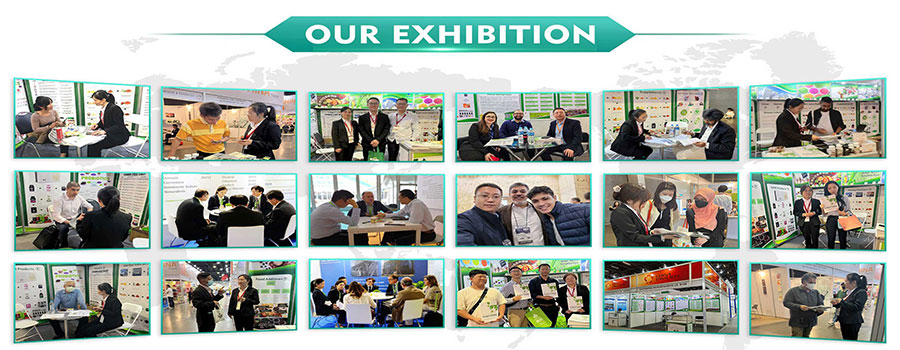
OUR EXHIBITION
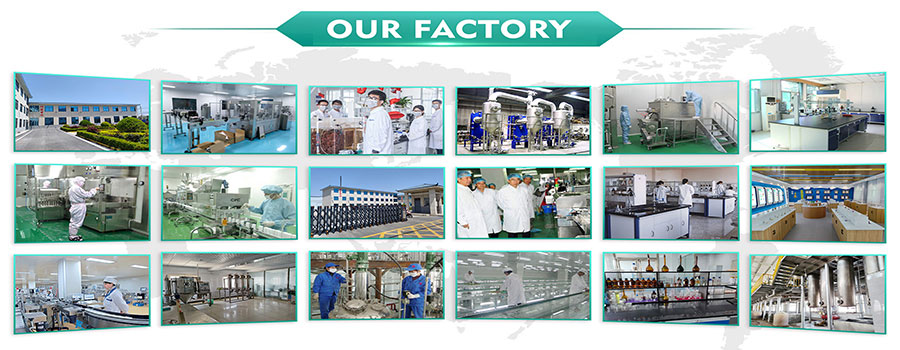
OUR FACTORY
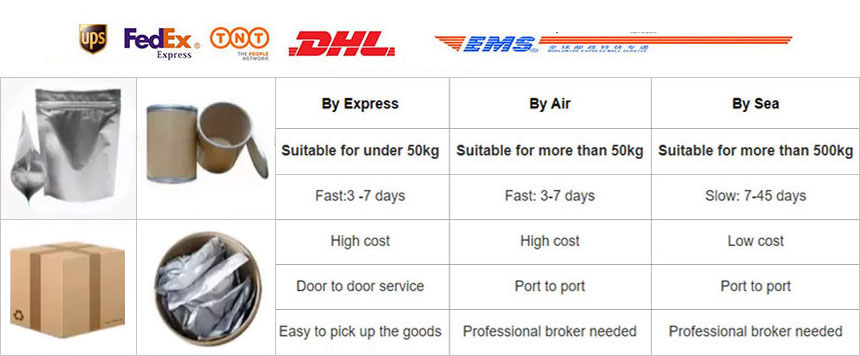
Shipping
Pharmaceutical Intermediate manufacturers
©2022 Xi'an Henrikang Biotech Co., Ltd.,
 Home
Home E-mail
 Booking