
Related Attributes
Product details
Microcrystalline cellulose is mainly used as non-caloric food additives, pharmaceutical excipients and dispersants, thin-layer chromatography and column chromatography fillers, color carriers for dyes and pigments, thermosetting resins and thermosetting laminates of reinforcement fillers, coatings, emulsifiers, and can also be used in water-based paints and ceramics industry.
Uses of Microcrystalline cellulose powder.
Many useful products can be derived from the esterification or etherification of hydroxyl groups in cellulose polymers. Practical application of cellulose esters are: cellulose nitrate, cellulose acetate, cellulose acetate butyrate and cellulose xanthate. Cellulose ethers are: methyl cellulose, carboxymethyl cellulose, ethyl cellulose, hydroxyethyl cellulose, cyanoethyl cellulose, hydroxypropyl cellulose and hydroxypropyl methyl cellulose. In addition, there are ester ether mixed derivatives.
Key Functional Properties and Benefits
Exceptional Compressibility and Binding: This is its primary function in pharmaceutical tablet manufacturing. MCC particles deform under pressure and form strong bonds, creating hard, stable tablets that can withstand handling and shipping without crumbling.
Superior Diluent and Filler: As a bulking agent, it is used to accurately dilute potent active pharmaceutical ingredients (APIs) to create a tablet of practical size and weight for precise dosing.
Excellent Flowability: The fine, granular powder flows freely and consistently, which is crucial for high-speed automated filling equipment in capsule and tablet production lines.
High Water Absorption and Stability: MCC is hygroscopic but remains chemically inert and physically stable, ensuring the shelf-life and integrity of the final product.
Colloidal Properties: In its colloidal form (e.g., Avicel® RC), it acts as a suspending agent and stabilizer in food and cosmetic emulsions, preventing separation.


Product Method of Bulk Microcrystalline cellulose powder.
Cellulose is the most abundant natural polymer in the world, and its raw materials come from wood, cotton, cotton wool, wheat grass, straw, reed, hemp, mulberry bark, mulberry bark and bagasse. Due to the lack of forest resources in China, 70% of cellulose raw materials come from non-wood resources. The average content of cellulose in coniferous and broad-leaved wood in China is about 43-45%. The average content of cellulose in grass stems is about 40%. The industrial process of cellulose is to cook plant raw materials with sulfite solution or alkali solution, mainly to remove lignin, respectively called sulfite method and alkali method. The resulting materials are called sulfite pulp and alkaline pulp. Then the residual lignin is further removed by bleaching, and the resulting bleached pulp can be used for papermaking. Further removal of hemicellulose can be used as raw material for cellulose derivatives.
Polvo de Celulosa Microcristalina: Proveedor de Aditivo Alimentario
Порошок микрокристаллической целлюлозы: поставщик пищевой добавки
Poudre de Cellulose Microcristalline : Fournisseur d'Additif Alimentaire
Mikrokristalline Cellulose-Pulver: Lieferant von Lebensmittelzusatzstoffen
Pó de Celulose Microcristalina: Fornecedor de Aditivo Alimentar
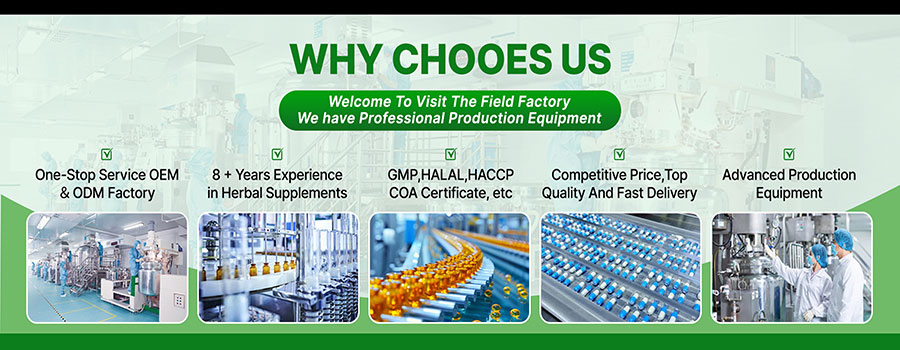
WHY CHOOES US?
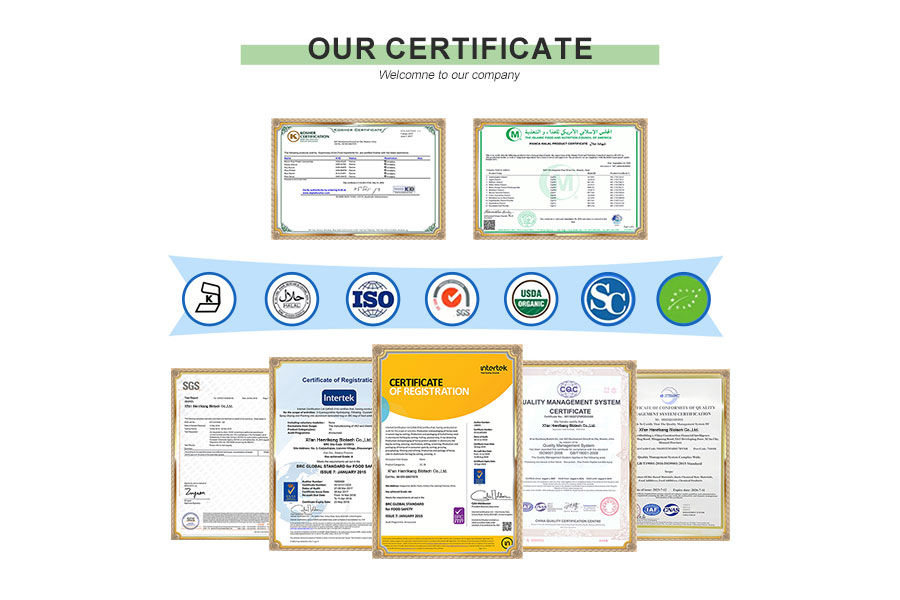
OUR CERTIFICATE
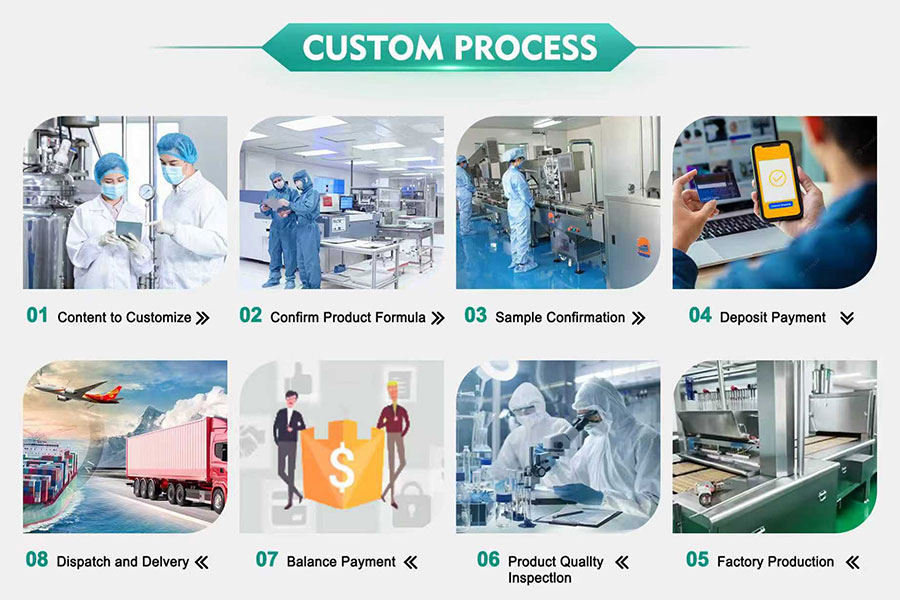
CUSTOM PROCESS
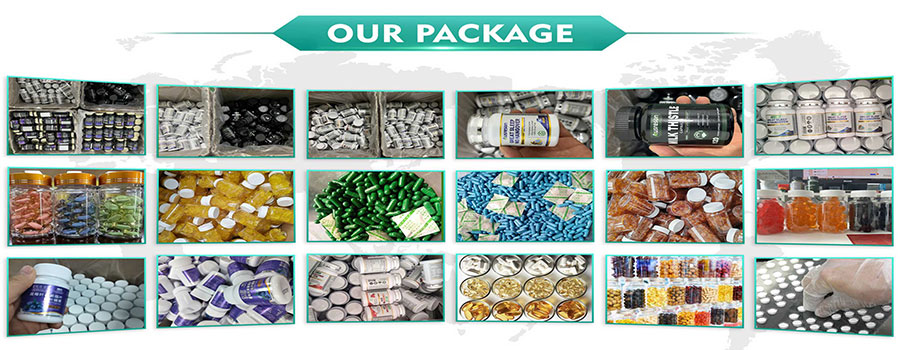
OUR PACKAGE
OUR EXHIBITION
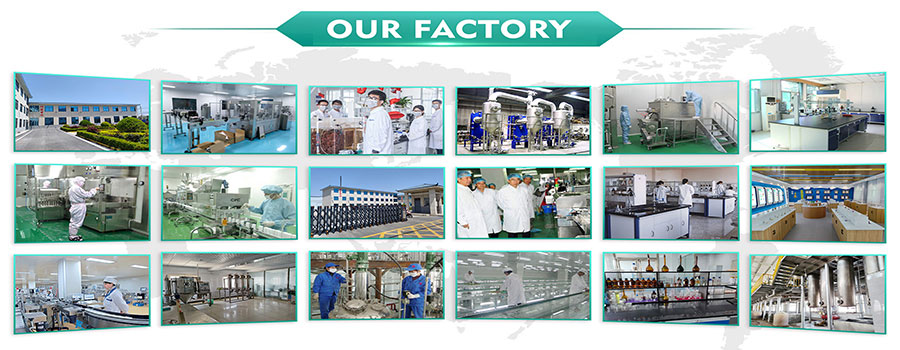
OUR FACTORY
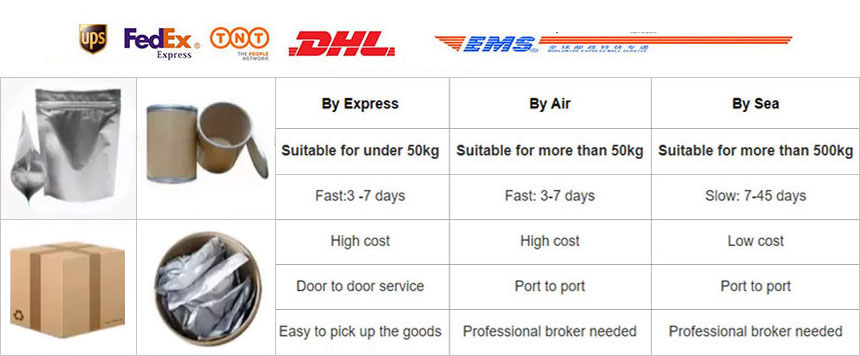
Shipping
Pharmaceutical Intermediate manufacturers
©2022 Xi'an Henrikang Biotech Co., Ltd.,
 Home
Home E-mail
 Booking